

Managing Persistent Respiratory Symptoms – Complete Guide
In the UAE, healthcare providers have developed specialized protocols for long-hauler patients. The UAE Ministry of Health medical standards ensure that all medical equipment meets stringent safety requirements. At Oxydubai, trusted by 10,000+ UAE patients with premium respiratory equipment and products.
Need Respiratory Solutions?
Understanding Managing Persistent Respiratory Symptoms
Managing persistent respiratory symptoms involves addressing breathlessness, chest tightness, and reduced exercise capacity. These symptoms often continue for weeks or months after the initial infection. Many patients report feeling unable to take a full, satisfying breath. This condition, sometimes called “long COVID,” requires comprehensive medical management.
Healthcare professionals emphasize the importance of proper diagnosis and monitoring. The World Health Organization respiratory health guidelines provide frameworks for assessing these conditions. Additionally, the ResMed AirSense 11 CPAP machine can assist with sleep-related breathing issues that often accompany long COVID.
Benefits of Ongoing Respiratory Support
Continuous respiratory support offers numerous advantages for recovery. Patients experience improved oxygen saturation and reduced breathlessness. Furthermore, consistent care helps prevent complications and promotes lung tissue healing. Many individuals report better sleep quality and increased energy levels.
Portable solutions like the Inogen One G5 portable oxygen concentrator enable mobility during recovery. The Dubai Health Authority healthcare guidelines recommend personalized treatment plans for optimal outcomes. Regular monitoring helps track progress and adjust interventions as needed.
Managing Persistent Respiratory Symptoms Features
Effective approaches for managing persistent respiratory symptoms incorporate multiple components. Oxygen therapy, breathing exercises, and physical rehabilitation form the foundation. Medical devices play a crucial role in this process. Modern equipment offers precise oxygen delivery and usage tracking.
The compact ResMed AirMini compact CPAP provides travel-friendly therapy options. Meanwhile, comprehensive programs address both physical and psychological aspects of recovery. These integrated approaches yield the best long-term results for patients.
Respiratory Recovery Specifications
Medical specifications for respiratory recovery equipment ensure safety and efficacy. Devices must meet strict performance standards for oxygen concentration and flow rates. The Health Authority Abu Dhabi regulations govern medical device approvals in the emirate. Compliance with these standards is mandatory for all therapeutic equipment.
Advanced ventilators like the ResMed Astral 150 ventilator offer sophisticated features for complex cases. Proper mask fitting is equally important for effective treatment. The ResMed AirFit F30i mask provides comfortable sealing for various facial structures.
Expert Medical Advice?
Setup and Maintenance Protocols
Proper equipment setup ensures optimal therapeutic benefits. Healthcare providers typically conduct initial setup and patient education. Regular maintenance prevents technical issues and maintains performance. Cleaning schedules vary by device type and usage frequency.
Patients should establish daily cleaning routines for masks and tubing. Additionally, professional servicing according to manufacturer recommendations is essential. The UAE government healthcare regulations specify maintenance requirements for medical devices. Following these protocols extends equipment lifespan and ensures consistent performance.
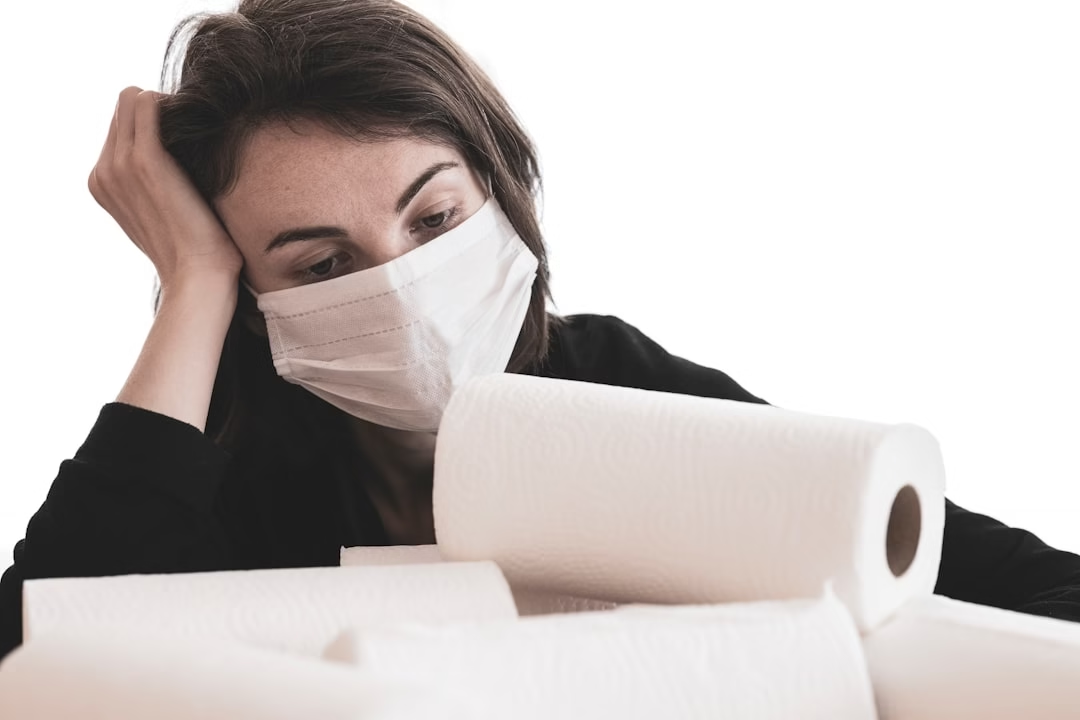
Managing Persistent Respiratory Symptoms Advantages
Comprehensive management of persistent respiratory symptoms offers significant advantages. Patients experience gradual improvement in breathing capacity and exercise tolerance. Structured rehabilitation programs build confidence and physical resilience. Moreover, psychological support addresses the anxiety that often accompanies breathing difficulties.
Consistent management helps prevent emergency hospital visits and complications. The respiratory equipment and products available today make home-based care more accessible than ever. With proper support, most patients achieve meaningful functional recovery over time.
Common Questions About Respiratory Recovery
Patients frequently ask about recovery timelines and expected outcomes. Recovery duration varies significantly between individuals based on multiple factors. Most people see gradual improvement over several months. However, some may experience symptoms for longer periods.
Another common concern involves returning to previous activity levels. Healthcare providers recommend gradual, supervised increases in physical exertion. Pulmonary function tests help objectively measure progress. Regular follow-ups ensure treatment plans remain appropriate throughout recovery.
Expert Recommendations for Recovery
Medical specialists emphasize personalized treatment approaches. Comprehensive assessment should guide all intervention decisions. Multidisciplinary teams typically provide the most effective care. These teams may include pulmonologists, physiotherapists, and mental health professionals.
Experts also stress the importance of patience during recovery. Setting realistic expectations helps prevent frustration and supports mental well-being. The World Health Organization respiratory health guidelines provide evidence-based frameworks for rehabilitation programs. Consistent follow-up care remains crucial for long-term success.
Frequently Asked Questions
How long do respiratory symptoms typically last after COVID-19? Duration varies, but many people experience improvement within 3-6 months with proper management.
When should I use oxygen therapy at home? Your doctor will recommend home oxygen if your blood oxygen levels drop below specific thresholds during activity or rest.
What’s the role of pulmonary rehabilitation? These programs combine exercise training, education, and breathing techniques to improve lung function and quality of life.
Can mental health support really help breathing difficulties? Absolutely. Anxiety and breathing are closely connected. Psychological support can break the cycle of breathlessness and panic.
What equipment helps with managing persistent respiratory symptoms? Devices like portable oxygen concentrators, CPAP machines, and pulse oximeters provide crucial support during recovery.
How do I know if my symptoms are improving? Track your ability to perform daily activities, oxygen saturation levels, and reduction in breathlessness episodes over time.
Conclusion
Recovering from persistent respiratory symptoms after COVID-19 requires comprehensive care and patience. Effective management combines medical interventions, rehabilitation, and psychological support. Modern respiratory equipment plays a vital role in this process, enabling better quality of life during recovery.
With proper guidance and consistent effort, most patients achieve meaningful improvement. The journey may be challenging, but support is available. For personalized assistance with managing persistent respiratory symptoms, contact our respiratory specialists today to discuss your specific needs and recovery goals.

