

Long-Haul Flights Respiratory Patient Strategies – Complete Guide
Managing respiratory conditions in UAE? Planning a long-haul flight requires careful preparation. Consequently, respiratory patients face unique challenges at 30,000 feet. The pressurized cabin air and reduced oxygen levels can significantly impact breathing. Therefore, a strategic approach is essential for safety and comfort. This guide provides comprehensive strategies for air travel with respiratory conditions. At Oxydubai, trusted by 10,000+ UAE patients with premium respiratory equipment and products.
Need Respiratory Solutions?
Understanding Long-Haul Flights Respiratory Patient Strategies
Effective long-haul flights respiratory patient strategies begin months before travel. First, understand how cabin pressure affects respiratory function. Commercial aircraft cabins are pressurized to 6,000-8,000 feet altitude. Consequently, oxygen saturation levels typically drop by 4-10%. This reduction can trigger symptoms in patients with COPD, pulmonary fibrosis, or severe asthma. Therefore, comprehensive planning is non-negotiable for safe travel.
Next, consider the duration of your flight and potential layovers. For instance, a flight from Dubai to Sydney lasts approximately 14 hours. During this time, you need consistent access to your medical equipment. Airlines have specific policies regarding respiratory devices. Furthermore, the World Health Organization respiratory health guidelines provide important travel recommendations. Always coordinate with both your physician and the airline well in advance.
Benefits of Comprehensive Flight Preparation
Thorough preparation offers numerous advantages for respiratory patients. Primarily, it reduces the risk of in-flight medical emergencies. Additionally, proper planning ensures you have all necessary medications and equipment. For example, portable oxygen concentrators must meet airline specifications. Moreover, understanding airline policies prevents last-minute complications at check-in.
Another significant benefit is reduced travel anxiety. When you have a clear plan, you can focus on your journey rather than potential problems. Consequently, this mental preparation is as important as the physical arrangements. The UAE Ministry of Health medical standards emphasize the importance of pre-travel medical assessment. Therefore, always consult your healthcare provider before booking flights.
Long-Haul Flights Respiratory Patient Strategies Features
Key features of successful long-haul flights respiratory patient strategies include multiple components. Medical documentation is absolutely essential. This includes a doctor’s letter detailing your condition and required equipment. Additionally, you need prescriptions for all medications and oxygen therapy. Airlines typically require this documentation at least 48 hours before departure.
Another crucial feature is equipment compatibility verification. For instance, the Inogen One G5 portable oxygen concentrator is approved by most major airlines. However, you must confirm this with your specific carrier. Furthermore, battery life calculations are critical for long flights. Always bring extra batteries that exceed your flight duration by at least 50%. The Dubai Health Authority healthcare guidelines provide useful information about medical device requirements.
Flight Preparation Specifications
Technical specifications for respiratory travel require careful attention. Battery-powered devices must meet specific watt-hour ratings. Typically, airlines allow batteries up to 160Wh without special approval. However, you must declare all medical equipment during booking. Additionally, carry all necessary charging adapters for your destination.
Medical oxygen arrangements have precise requirements. Airlines typically limit the number of oxygen-dependent passengers per flight. Therefore, book well in advance and confirm oxygen arrangements multiple times. The ResMed AirSense 11 CPAP machine offers travel-friendly features for sleep apnea patients. Meanwhile, the Health Authority Abu Dhabi regulations outline medical device safety standards for travelers.
Expert Medical Advice?
Setup and Maintenance During Travel
Proper setup of respiratory equipment during flight requires planning. First, inform cabin crew about your medical needs during boarding. They can assist with power access and provide extra space if available. Additionally, practice setting up your equipment before travel. This ensures you can manage it confidently in the confined aircraft space.
Regular maintenance during long flights is equally important. Clean your equipment components according to manufacturer guidelines. For example, the ResMed AirFit F30i mask requires specific cleaning procedures. Furthermore, stay hydrated and perform simple breathing exercises periodically. Movement and hydration help maintain optimal respiratory function throughout your journey.
Long-Haul Flights Respiratory Patient Strategies Advantages
Implementing comprehensive long-haul flights respiratory patient strategies offers significant advantages. Most importantly, it enables safe travel that might otherwise be impossible. Patients with chronic respiratory conditions can visit family, conduct business, or enjoy vacations. Additionally, proper planning minimizes health risks and ensures prompt medical attention if needed.
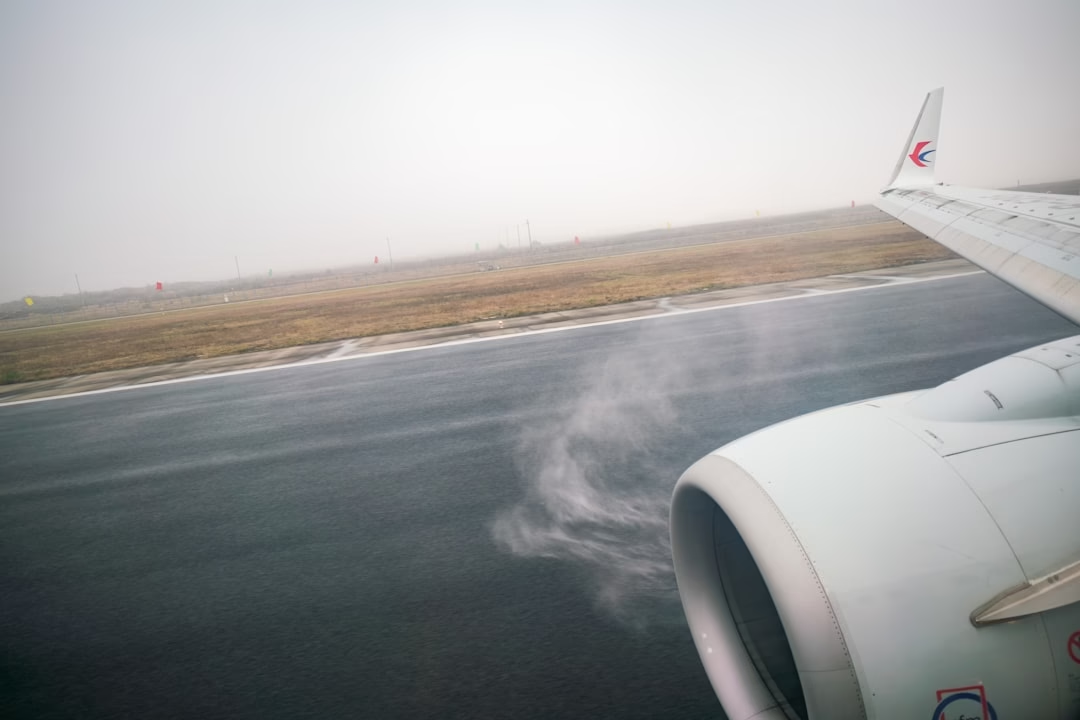
Another advantage is regulatory compliance. Following established protocols ensures smooth airport security screening. Furthermore, it prevents issues with customs and immigration regarding medical equipment. The ResMed AirMini compact CPAP is specifically designed for travel compliance. Meanwhile, the UAE government healthcare regulations provide framework for medical travel requirements.
Common Questions About Respiratory Air Travel
Many patients have questions about flying with respiratory conditions. A common concern involves airport security screening procedures. Always carry medical documentation and declare all equipment to security personnel. Additionally, inform them about any implanted medical devices before screening.
Another frequent question involves insurance coverage for travel with respiratory conditions. Contact your insurance provider before travel to understand coverage limitations. Some policies require additional riders for international travel with pre-existing conditions. Furthermore, consider travel insurance that specifically covers medical evacuation if needed.
Expert Recommendations for Respiratory Travel
Medical experts provide specific recommendations for respiratory patients flying long-haul. First, schedule a pre-travel assessment with your pulmonologist 4-6 weeks before departure. This allows time for any necessary adjustments to your treatment plan. Additionally, your doctor can perform tests to assess your fitness for air travel.
Another expert recommendation involves equipment selection. Choose devices specifically designed for travel, like the ResMed Astral 150 ventilator for patients requiring ventilation support. Furthermore, pack all essential medications in your carry-on luggage. Never check medications or medical equipment in your baggage. Finally, arrive at the airport early to allow extra time for security procedures.
Frequently Asked Questions
How far in advance should I notify airlines about my respiratory needs? Contact airlines at least 72 hours before departure, but preferably during booking.
Can I use my portable oxygen concentrator during takeoff and landing? Regulations vary by airline, but most allow use throughout the flight.
What documentation do I need for international travel with respiratory equipment? You need a doctor’s letter, equipment prescriptions, and airline medical forms.
Are there specific long-haul flights respiratory patient strategies for connecting flights? Yes, you must coordinate oxygen arrangements for all flight segments and layovers.
How do I ensure adequate battery power for long flights? Bring batteries with 150% of your expected flight duration and confirm power access onboard.
What seat selection strategies benefit respiratory patients most? Aisle seats near restrooms provide easiest access and more legroom for movement.
For personalized advice, contact our respiratory specialists who understand aviation medical requirements.
Conclusion
Successful air travel with respiratory conditions demands meticulous planning. From medical clearance to equipment arrangements, every detail matters. Consequently, implementing comprehensive long-haul flights respiratory patient strategies ensures safer journeys. Remember to coordinate with healthcare providers and airlines well in advance. Furthermore, choose appropriate equipment and understand all regulatory requirements.
With proper preparation, respiratory patients can travel confidently. The key lies in addressing potential challenges before they arise. Therefore, use this guide as your roadmap for stress-free flying. Finally, prioritize your health and comfort throughout the travel experience. Safe journeys begin with thorough preparation and the right medical support.