

Liver Cirrhosis Sleep Apnea Treatment – Complete Guide
Managing respiratory conditions in UAE? Effective liver cirrhosis sleep apnea treatment requires specialized understanding. This complex comorbidity presents unique clinical challenges. Consequently, standard sleep apnea management often fails. Patients with advanced liver disease, including cirrhosis, frequently experience sleep-disordered breathing (SDB). This includes obstructive sleep apnea (OSA) and central sleep apnea. The intersection of these conditions significantly impacts quality of life and prognosis. Therefore, a nuanced, patient-specific approach is essential for safety and efficacy.
In the UAE, the prevalence of metabolic syndromes contributes to both liver disease and sleep apnea. The hot climate can also influence sleep patterns and fluid balance. Managing these patients involves coordinating hepatology and sleep medicine expertise. Treatment must account for altered drug metabolism, fluid retention, and potential respiratory depression. At Oxydubai, trusted by 10,000+ UAE patients, we provide premium respiratory equipment and products tailored for complex cases like cirrhosis-related apnea.
Need Respiratory Solutions?
Understanding Liver Cirrhosis Sleep Apnea Treatment
The pathophysiology linking cirrhosis and sleep apnea is multifaceted. Firstly, portal hypertension and ascites can mechanically impede diaphragm function. This reduces lung volumes and promotes airway collapse during sleep. Secondly, altered metabolism of neurotransmitters affects respiratory drive. For instance, increased serotonin levels may destabilize breathing patterns. Moreover, cirrhotic patients often have increased systemic inflammation. This inflammation can worsen upper airway collapsibility.
Effective liver cirrhosis sleep apnea treatment begins with accurate diagnosis. However, polysomnography interpretation requires caution. Fluid shifts can cause variable apnea-hypopnea indices night-to-night. Treatment plans must align with UAE Ministry of Health medical standards for complex care. Furthermore, devices like the ResMed AirSense 11 CPAP machine offer advanced algorithms. These can adapt to variable breathing patterns seen in liver patients.
Benefits of Managing Complex Sleep Disordered Breathing
Successfully treating sleep apnea in cirrhosis patients yields profound benefits. Primarily, it can reduce hepatic venous pressure. This potentially slows disease progression. Additionally, improved sleep architecture enhances daytime alertness. This is crucial for patients managing complex medication regimens. Furthermore, treating hypoxia reduces systemic oxidative stress. Consequently, this may lower the risk of further liver injury.
Another key benefit is the reduction in hospital readmissions. Respiratory disturbances are a known trigger for hepatic encephalopathy. Therefore, stabilizing breathing during sleep can improve neurological outcomes. Compliance with Dubai Health Authority healthcare guidelines for integrated care is vital. Using tailored equipment, like the Inogen One G5 portable oxygen concentrator, supports mobility. This allows patients to maintain therapy during daily activities and travel.
Liver Cirrhosis Sleep Apnea Treatment Features
Specialized liver cirrhosis sleep apnea treatment incorporates distinct features. Adaptive servo-ventilation (ASV) may be considered cautiously for certain central apnea cases. However, careful patient selection is paramount due to potential risks. Moreover, CPAP devices with expiratory pressure relief (EPR) enhance comfort. This is important for patients with ascites and abdominal discomfort. Integrated humidification is another critical feature. It helps manage dry mucous membranes, common in cirrhotic patients.
Remote monitoring capabilities are essential. Clinicians can track usage and efficacy without frequent hospital visits. This aligns with telehealth initiatives under Health Authority Abu Dhabi regulations. For example, the ResMed AirMini compact CPAP offers travel-friendly therapy with data tracking. Additionally, mask selection focuses on minimizing pressure on facial vasculature. This is crucial for patients prone to bleeding risks.
Therapeutic Device Specifications and Selection
Choosing the right device requires attention to technical specifications. Pressure ranges must be wide enough to accommodate fluid-related changes. For instance, a device offering 4-25 cm H2O provides necessary flexibility. Oxygen blending capability is often necessary. Many patients have concomitant hypoxemia from hepatopulmonary syndrome. Battery backup is also a key specification. It ensures therapy continuity during power fluctuations, common in some settings.
Device weight and portability matter for patients with fatigue. Lightweight concentrators and CPAPs promote adherence. According to World Health Organization respiratory health guidelines, device reliability is non-negotiable. The ResMed Astral 150 ventilator offers hospital-grade performance for home use. This is suitable for patients with advanced respiratory insufficiency. Always verify device approvals meet UAE government healthcare regulations.
Expert Medical Advice?
Setup and Maintenance for Optimal Care
Proper setup is the foundation of effective therapy. Initially, device placement should account for potential ascites. Elevating the device can prevent condensation in tubing. Subsequently, mask fitting must avoid areas with prominent spider angiomas. This reduces skin breakdown risk. Regular cleaning is even more critical for immunocompromised patients. Using distilled water in humidifiers prevents mineral inhalation.
Maintenance schedules should be rigorous. Filters need frequent checking due to increased sensitivity to infection. Patients and caregivers must be trained to identify alarm signals. For example, low pressure alarms might indicate mask leaks or ascites progression. A comfortable interface like the ResMed AirFit F30i mask can improve tolerance. Finally, establishing a partnership with a reliable supplier ensures access to consumables and support.
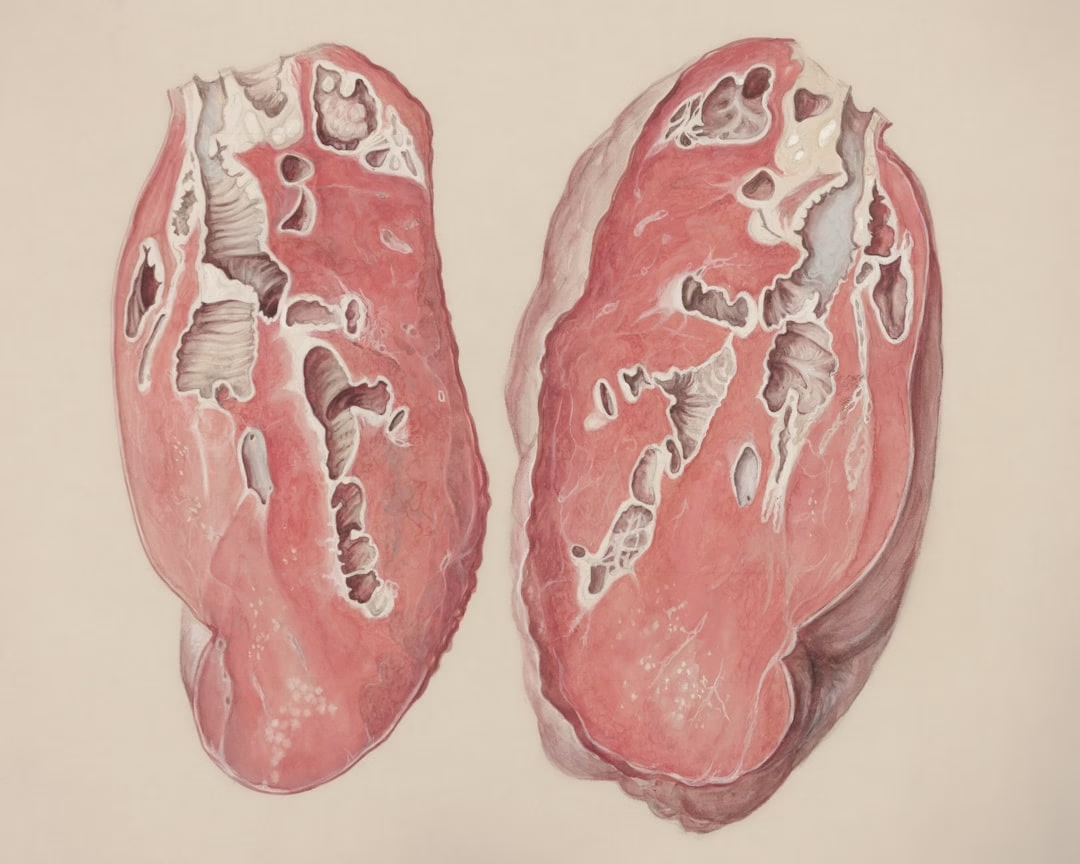
Liver Cirrhosis Sleep Apnea Treatment Advantages
Pursuing dedicated liver cirrhosis sleep apnea treatment offers significant advantages. Firstly, it provides a holistic approach to patient management. This integrates pulmonary and hepatic health. Secondly, it empowers patients. Understanding their condition improves self-management and adherence. Thirdly, it reduces the overall burden on the healthcare system. Preventing complications like encephalopathy is more cost-effective than treatment.
Another advantage is the potential for personalized medicine. Data from therapy devices can guide hepatology treatment decisions. For instance, improving nocturnal oxygenation may allow for dose adjustments in diuretics. Access to a wide range of respiratory equipment and products enables this customization. Ultimately, the goal is to extend quality life years. Effective sleep apnea management is a key pillar in achieving this for cirrhotic patients.
Common Questions on Cirrhosis and Apnea Care
Patients and families often have pressing questions. Is CPAP safe with esophageal varices? Generally, yes, but pressures should be minimized and monitored. Can therapy improve liver function tests? Possibly, by reducing hypoxic stress on the liver. How does ascites affect CPAP pressure needs? Ascites often increases required pressure due to reduced functional residual capacity.
What if I need a liver transplant? Treating sleep apnea is crucial pre- and post-transplant. It improves surgical outcomes and recovery. Are portable options available? Absolutely. Devices like the Inogen G5 allow for active lifestyles. Who can help adjust my therapy? Always contact our respiratory specialists for adjustments. Never modify settings without professional guidance, especially in complex cases.
Expert Recommendations for Sustainable Management
Experts recommend a multi-disciplinary team approach. This should include a hepatologist, sleep specialist, and respiratory therapist. Regular follow-up is non-negotiable. Conditions can change rapidly with liver disease progression. Prioritize patient education and comfort. Discomfort is a major reason for therapy non-adherence in this population.
Furthermore, leverage technology for monitoring. Use device data clouds to track trends remotely. Advocate for your patient within the system. Ensure they have access to the appropriate device category. Finally, stay updated on clinical guidelines. The field of hepatopulmonary sleep medicine is evolving rapidly. Adherence to UAE medical standards ensures care is both cutting-edge and safe.
Frequently Asked Questions
Q1: What is the main challenge in liver cirrhosis sleep apnea treatment?
The primary challenge is the altered physiology. This requires careful titration of pressure and often supplemental oxygen.
Q2: Can sleep apnea cause liver cirrhosis?
Severe, untreated OSA can contribute to NAFLD progression. This may potentially advance to cirrhosis over time.
Q3: Is BiPAP better than CPAP for cirrhosis patients?
Sometimes. BiPAP can be beneficial for patients with hypercapnia or who find high CPAP pressures uncomfortable.
Q4: How does ascites impact sleep apnea therapy?
Ascites increases intra-abdominal pressure. This pushes up on the diaphragm, worsening airway collapse and often requiring higher therapeutic pressures.
Q5: Are there specific masks recommended?
Yes. Full-face masks like the ResMed AirFit F30i are often used. They are suitable for mouth breathers and can provide stability at moderate pressures.
Q6: What lifestyle changes support this treatment?
Sleeping with the head elevated reduces fluid pressure on the diaphragm. Also, limiting evening fluid intake helps manage nocturia and ascites.
Conclusion
Managing sleep-disordered breathing in advanced liver disease is complex but critically important. A successful liver cirrhosis sleep apnea treatment plan improves both respiratory and hepatic outcomes. It enhances quality of life and may influence disease progression. The key lies in personalized, adaptive care using appropriate medical technology.
In the UAE, patients have access to world-class equipment and expertise. By combining specialist knowledge with high-quality devices from providers like Oxydubai, effective management is achievable. If you or a loved one are navigating this dual diagnosis, do not hesitate to seek specialized support. For comprehensive care solutions, explore our respiratory equipment and products or contact our respiratory specialists directly for a consultation tailored to your unique medical landscape.

