

ICU Discharge Home Equipment – Complete Guide
Proper equipment setup and caregiver training are essential. For instance, ventilators and oxygen concentrators need correct installation. Additionally, family members must learn emergency procedures. Therefore, a structured transition plan is vital for success. At Oxydubai, trusted by 10,000+ UAE patients with premium respiratory equipment and products.
Need Respiratory Solutions?
Understanding ICU Discharge Home Equipment
ICU discharge home equipment includes medical devices for continued care. These devices support breathing, monitoring, and medication delivery. Typically, the equipment ranges from simple oxygen concentrators to complex ventilators. Therefore, understanding each device’s function is crucial for caregivers.
Common equipment includes CPAP machines, oxygen concentrators, and ventilators. For example, the ResMed AirSense 11 CPAP machine treats sleep apnea effectively. Additionally, portable oxygen concentrators like the Inogen One G5 provide mobility. Consequently, patients can maintain their therapy while moving around.
Selecting the right ICU discharge home equipment depends on medical needs. Doctors assess the patient’s condition and prescribe appropriate devices. Moreover, they consider the home environment and caregiver capability. Ultimately, this ensures a safe and effective transition from hospital to home.
Benefits of Home Medical Equipment
Home medical equipment offers numerous advantages for recovering patients. Primarily, it allows patients to heal in a familiar environment. This comfort often speeds up recovery. Additionally, it reduces the risk of hospital-acquired infections.
Furthermore, home care is more cost-effective than prolonged hospital stays. Families save on hospital bills and transportation costs. Moreover, patients have more flexibility in their daily routines. Consequently, their quality of life improves significantly.
Properly managed home equipment also provides peace of mind. Caregivers can monitor patients closely and respond quickly to changes. The World Health Organization respiratory health guidelines emphasize the importance of home-based care. Therefore, with the right support, home recovery becomes a viable and beneficial option.
ICU Discharge Home Equipment Features
Modern ICU discharge home equipment comes with advanced features for safety and ease of use. For instance, many devices have built-in alarms for low oxygen levels or power failures. These alerts help caregivers respond promptly to emergencies. Additionally, user-friendly interfaces make operation simpler for non-medical users.
Portability is another key feature. Devices like the ResMed AirMini compact CPAP are designed for travel. Similarly, the Inogen One G5 portable oxygen concentrator is lightweight and battery-operated. Consequently, patients are not confined to their homes.
Moreover, data tracking capabilities allow remote monitoring. Healthcare providers can assess patient compliance and adjust treatments accordingly. This feature is particularly important for chronic conditions. Therefore, choosing equipment with these features enhances the overall care quality.
Medical Device Specifications
Understanding medical device specifications ensures you select the right equipment. Key specifications include flow rate, pressure settings, and battery life. For example, oxygen concentrators must deliver the prescribed liters per minute. Similarly, CPAP machines require specific pressure levels for effective therapy.
Additionally, device dimensions and weight affect portability and storage. The ResMed Astral 150 ventilator is compact yet powerful. Moreover, compliance with Dubai Health Authority healthcare guidelines is mandatory. Therefore, always verify that devices meet local regulatory standards.
Noise levels are another consideration, especially for sleep therapy equipment. Quiet operation prevents sleep disturbances for patients and family members. Furthermore, ease of maintenance and availability of spare parts are practical concerns. Consequently, reviewing all specifications carefully helps avoid future complications.
Expert Medical Advice?
Setup and Maintenance Procedures
Proper setup of medical equipment is crucial for patient safety. First, ensure a clean, well-ventilated area for device placement. Keep the equipment away from water sources and direct sunlight. Additionally, verify electrical outlets are grounded and stable.
Next, follow the manufacturer’s instructions for assembly. For instance, correctly connecting the ResMed AirFit F30i mask to a CPAP machine prevents air leaks. Moreover, perform regular maintenance to ensure optimal performance. Clean filters, tubing, and masks as recommended.
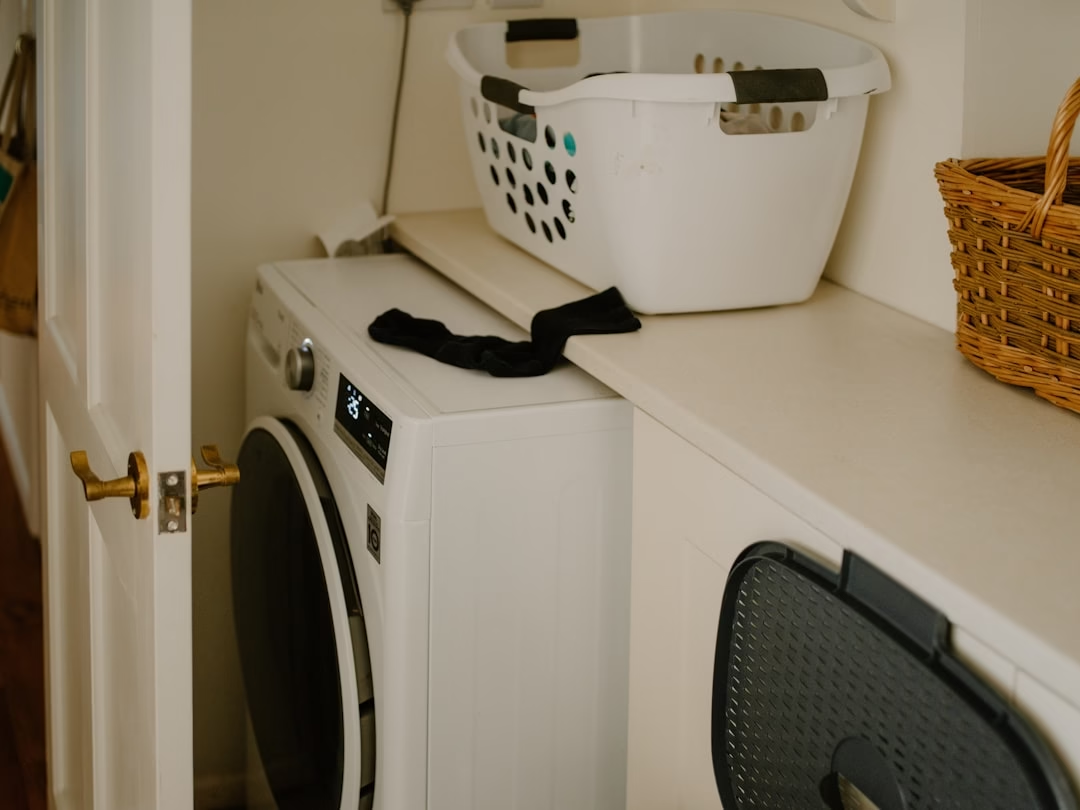
Furthermore, schedule professional servicing periodically. Technicians can calibrate devices and replace worn-out parts. The Health Authority Abu Dhabi regulations require regular equipment checks. Therefore, maintaining a service log helps track maintenance activities and ensures compliance.
ICU Discharge Home Equipment Advantages
The advantages of proper ICU discharge home equipment are extensive. Firstly, it promotes patient independence and dignity. Patients can participate in family activities and maintain social connections. Moreover, personalized care in a home setting often leads to better mental health outcomes.
Secondly, it reduces the burden on healthcare facilities. Hospitals can allocate resources to more critical cases. Additionally, family caregivers become active participants in the recovery process. Consequently, this strengthens the support system around the patient.
Finally, advanced ICU discharge home equipment enables continuous monitoring and timely interventions. For example, modern ventilators record usage data that doctors can review remotely. This proactive approach prevents complications. Therefore, investing in quality equipment and training yields significant long-term benefits.
Common Questions Answered
Families often have questions about transitioning to home care. How do I choose the right equipment? Consult your doctor and a respiratory therapist. They will recommend devices based on medical needs and home environment.
What training do caregivers need? Comprehensive training on device operation, troubleshooting, and emergency procedures is essential. Additionally, understanding UAE government healthcare regulations ensures compliance. Moreover, regular refresher courses keep skills sharp.
How do I handle equipment failures? Always have backup options like oxygen cylinders. Furthermore, know the contact details for technical support. Reliable suppliers like Oxydubai offer prompt assistance. Therefore, preparedness minimizes risks during emergencies.
Expert Recommendations
Medical experts emphasize individualized care plans for ICU discharges. Assess the patient’s specific needs and home setup thoroughly. Then, select equipment that matches those requirements. For instance, a patient with mobility issues benefits from portable devices.
Additionally, involve caregivers in the planning process. Their confidence and competence directly impact patient outcomes. Moreover, establish a clear follow-up schedule with healthcare providers. Regular check-ins allow for timely adjustments to the care plan.
Finally, choose reputable suppliers for medical equipment. Verify product authenticity and after-sales service availability. For example, contact our respiratory specialists for personalized advice. Therefore, partnering with experts ensures a smooth and successful transition home.
Frequently Asked Questions
What is the most critical ICU discharge home equipment? It varies by patient, but ventilators and oxygen concentrators are often essential.
How long does the transition planning take? Typically, several weeks to ensure all aspects are covered thoroughly.
Are there financial assistance programs available? Yes, some insurance plans and government programs offer support.
Can I rent equipment instead of buying? Many suppliers offer rental options for short-term needs.
What training is provided for caregivers? Comprehensive training on operation, maintenance, and emergency procedures.
How often should ICU discharge home equipment be serviced? Follow manufacturer guidelines, usually every 6-12 months.
Conclusion
Transitioning from ICU to home care is a complex but manageable process. With the right ICU discharge home equipment, thorough training, and a solid support system, patients can recover safely at home. Additionally, adherence to local regulations and professional guidelines ensures compliance and safety.
Moreover, ongoing support from healthcare providers and equipment suppliers is crucial. Regular follow-ups and maintenance keep the equipment functioning optimally. Therefore, families should prioritize planning and preparation for a successful transition. For reliable solutions, explore our range of respiratory equipment and products designed for UAE patients.