

How to Fit & Adjust the AirFit F30i for Optimal Seal and Comfort
How to Fit & Adjust
Understanding How to Fit & Adjust
The AirFit F30i is a hybrid full-face mask. It covers the mouth but rests under the nose. This design reduces facial contact and improves field of vision. Proper fitting is crucial for preventing air leaks. Consequently, leaks can disrupt sleep and reduce therapy effectiveness. Understanding the mask’s components is the first step. These include the frame, cushion, headgear, and magnetic clips.
Each part plays a vital role in maintaining seal and comfort. Therefore, a systematic approach to fitting is essential. For instance, the cushion must create a secure seal without over-tightening. Meanwhile, the headgear should hold the mask firmly yet gently. This balance is key to a successful night’s sleep.
How to Fit & Adjust Benefits
A correctly fitted mask delivers numerous advantages. Firstly, it ensures effective delivery of prescribed air pressure. This maximizes the treatment for sleep apnea. Secondly, it enhances comfort, making it easier to sleep through the night. Moreover, a good seal minimizes air leaks that can cause skin irritation and dry eyes.
Proper adjustment also extends the lifespan of your mask components. Specifically, it prevents excessive wear and tear from over-tightening. Additionally, it improves compliance with your therapy regimen. Patients with a comfortable mask are more likely to use it consistently. This consistency is vital for long-term health management.
How How to Fit & Adjust Works
The fitting process involves several key stages. First, identify your correct cushion size using the ResMed sizing gauge. This tool measures the distance from your lower lip to the bridge of your nose. Next, assemble the mask without the headgear. Hold the cushion gently over your face and turn on your ResMed AirSense 11 CPAP machine.
Check for obvious leaks around the cushion perimeter. Then, attach the headgear, starting with the top straps. The magnetic clips make this process simple. Adjust the straps evenly until the seal is secure but not tight. Finally, perform a fit check by lying down in your typical sleep position. Movement can affect the mask seal, so this step is critical.
Best How to Fit & Adjust Practices
Always begin with a clean, dry face and mask. Oil or moisture can compromise the seal. Position the cushion first, ensuring the nasal pillow sits comfortably under your nostrils. The bottom of the cushion should rest on your chin. Then, secure the top straps. They should cradle the back of your head comfortably.
Next, adjust the lower straps. They provide the primary stability for the mask. Avoid the common mistake of over-tightening. A mask that is too tight can cause pressure points and leaks. Instead, aim for a snug, even fit. The mask should stay in place with minimal strap tension when the air pressure is on.
How to Fit & Adjust Implementation
Implementing these steps into your nightly routine is straightforward. First, sit in a well-lit area in front of a mirror. Assemble your ResMed AirFit F30i mask and ensure the straps are loosened. Place the mask on your face and connect the headgear. Use the magnetic clips for a quick and easy attachment.
Then, tighten the straps gradually. Start with the top straps and then the bottom. Make small adjustments while the CPAP is running. Lie down and move your head side to side. Check for any new leaks and readjust as needed. This practice ensures the mask remains sealed throughout various sleep positions.
Advanced How to Fit & Adjust Strategies
For persistent leaks, consider advanced techniques. The FlexFit frame allows for micro-adjustments. You can pivot the cradle to match your facial contours. Additionally, the rolling silicone seal on the cushion can be manipulated. Gently run a finger under the edge to help it inflate properly.
Another strategy is to use mask liners. They can reduce leaks for users with facial hair or sensitive skin. Furthermore, ensure your headgear is not worn out. Stretched straps cannot provide adequate support. Regularly inspect and replace worn components from our range of respiratory equipment and products.
How to Fit & Adjust Success Tips
Consistency is the key to success. Practice putting on your mask during the day. This builds muscle memory and confidence. Moreover, perform a mask fit check every night. Your face can change shape slightly due to weight loss, gain, or fluid retention.
Keep a log of any issues you encounter. For example, note if leaks occur on your back or side. This information can help your therapist provide better guidance. Also, clean your mask daily. Oils from your skin can degrade the silicone and affect the seal. Proper maintenance is as important as the initial fit.
Future of How to Fit & Adjust
Mask fitting technology continues to evolve. Future designs may incorporate smart sensors. These could alert users to leaks in real-time. Additionally, 3D scanning for custom-fit masks is on the horizon. This would provide a personalized seal for every individual.
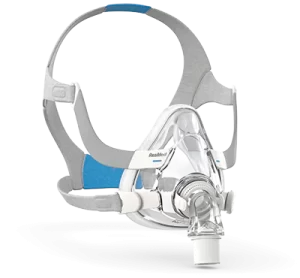
AIRFIT F20 Full Face Mask
Integration with devices like the ResMed AirMini compact CPAP will also advance. Furthermore, telehealth will allow for remote fitting sessions with specialists. This aligns with global trends in digital health and the World Health Organization respiratory health guidelines.
Frequently Asked Questions
How tight should the AirFit F30i headgear be?
The headgear should be snug but not tight. You should be able to fit one or two fingers comfortably under the straps. Over-tightening is a common mistake that causes leaks and discomfort.
What should I do if I get red marks on my face?
Red marks indicate the mask is too tight. Loosen the headgear straps slightly. If marks persist in the morning, the mask size or style might be incorrect. Consider a fit check with a specialist.
Can I use the F30i with a beard?
Yes, the under-the-nose design can work well with facial hair. However, you may need to ensure a tighter seal on the chin. Trimming the beard neatly can also help improve the seal.
How often should I replace the F30i cushion?
Replace the cushion every one to three months. Replace it sooner if it becomes stiff, discolored, or loses its sealing ability. Regular replacement is crucial for optimal performance.
Why do I hear a whistling sound from my mask?
A whistling sound usually indicates an air leak. Check the cushion seal and the connection points between the frame and the tube. Ensure all components are clicked securely into place.
Is the F30i compatible with all CPAP machines?
Yes, the F30i uses a standard 22mm connector. It is compatible with most CPAP and BiPAP machines, including the ResMed Astral 150 ventilator and other devices.
Conclusion
Mastering the process of how to fit and adjust your AirFit F30i is fundamental to successful sleep therapy. A proper seal ensures effective treatment. Meanwhile, optimal comfort promotes consistent use. By following the detailed steps and best practices outlined, you can achieve both. Remember to perform regular fit checks and maintain your equipment.
Your journey to better sleep is important. Therefore, do not hesitate to seek professional assistance if challenges persist. For personalized support and to explore our full range of products, we encourage you to contact our respiratory specialists today. They can provide expert guidance tailored to your specific needs, ensuring you get the most out of your therapy with devices like the Inogen One G5 portable oxygen concentrator.
Additional Resources and Authority Links
For more information on health standards, please refer to the UAE government healthcare regulations, the UAE Ministry of Health medical standards, the Dubai Health Authority healthcare guidelines, and the Health Authority Abu Dhabi regulations.

