

How Stress Worsens Sleep Apnea (and What to Do About It)
How Stress Worsens Sleep
Sleep apnea is a serious disorder characterized by repeated breathing interruptions during sleep. These pauses can last from seconds to minutes. They may occur thirty times or more per hour. Consequently, normal sleep patterns are severely disrupted. This leads to poor sleep quality and daytime fatigue. However, the relationship between this condition and stress is a critical two-way street. Understanding how stress worsens sleep apnea is essential for effective management. Additionally, chronic stress can significantly exacerbate the severity of your symptoms. Furthermore, recognizing this connection provides a powerful pathway to better health and restorative sleep.
Understanding How Stress Worsens Sleep
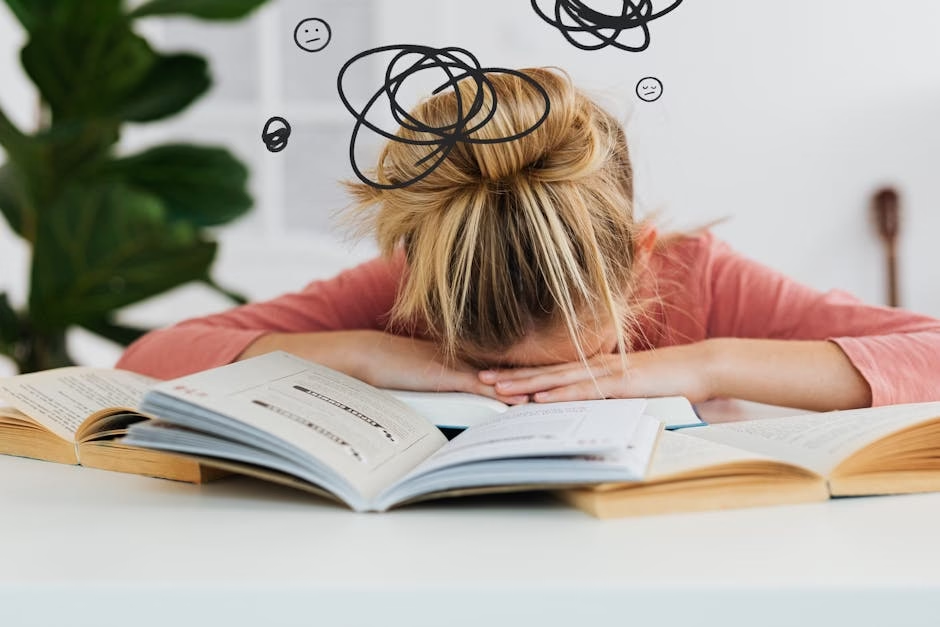
Stress triggers a complex physiological response in the body. This is often called the “fight or flight” reaction. Hormones like cortisol and adrenaline flood your system. Therefore, your heart rate increases and muscles tense. This state of high alert is the opposite of what you need for sleep. Specifically, it makes falling and staying asleep much more difficult. For someone with sleep apnea, this creates a perfect storm. The body’s relaxed state necessary for open airways is harder to achieve. Consequently, the frequency and duration of apnea events can increase.
Moreover, stress often leads to poor coping behaviors. People may turn to alcohol or sedatives to relax. Alternatively, they might skip their exercise routine. These choices can further relax throat muscles and worsen obstruction. Thus, the cycle of stress and sleep disruption becomes self-perpetuating. Breaking this cycle requires a targeted approach.
How Stress Worsens Sleep Works
The mechanism linking stress and sleep-disordered breathing is multifaceted. First, high cortisol levels can lead to weight gain, particularly around the neck. This excess tissue directly contributes to airway obstruction during sleep. Additionally, stress promotes inflammation throughout the body. This includes the soft tissues of the upper airway. Inflamed tissues are more likely to collapse and block breathing.
Furthermore, stress disrupts the natural sleep architecture. It reduces the amount of time spent in deep, restorative sleep stages. Since the body is in a state of hyperarousal, it is more sensitive to the carbon dioxide buildup that signals a breathing pause. This can cause more frequent awakenings, even from minor events. The result is highly fragmented, non-restorative sleep.
Best How Stress Worsens Sleep Practices
Adopting a holistic management plan is the most effective strategy. This plan should address both the sleep apnea and the stress. First, consistent use of your prescribed therapy is non-negotiable. Using a high-quality device like the ResMed AirSense 11 CPAP machine ensures your airways stay open. Meanwhile, integrating stress-reduction techniques is equally important.
Mindfulness and meditation are powerful tools. Practicing them for even ten minutes daily can lower cortisol. Deep breathing exercises are also highly effective. They train your body to shift out of the stress response. Consequently, this makes it easier to transition into sleep. Regular physical activity is another cornerstone. Exercise is a proven stress reliever and can aid in weight management.
How Stress Worsens Sleep Implementation
Implementing a successful management routine requires consistency. Start by creating a relaxing pre-sleep ritual. This signals to your body that it is time to wind down. Avoid stimulating activities and screens an hour before bed. Instead, read a book or take a warm bath. Ensure your sleep environment is optimized for comfort and therapy. A comfortable mask, such as the ResMed AirFit F30i mask, encourages consistent CPAP use.
Next, schedule time for stress management into your day. Treat it with the same importance as a business meeting. Use this time for a walk, meditation, or a hobby. Additionally, prioritize your therapy equipment. For those who travel, a device like the ResMed AirMini compact CPAP ensures you never miss a night. Consistency in treatment is key to breaking the stress-apnea cycle.
Advanced How Stress Worsens Sleep Strategies
For individuals requiring more advanced care, additional strategies exist. Cognitive Behavioral Therapy for Insomnia (CBT-I) is highly effective. It addresses the anxious thoughts that stress creates about sleep. Biofeedback is another advanced technique. It teaches you to control physiological functions like heart rate. This directly counters the body’s stress response.
Moreover, ensuring your medical equipment meets your evolving needs is crucial. Explore our full range of respiratory equipment and products for optimal support. For those with complex requirements, the ResMed Astral 150 ventilator offers advanced features. Meanwhile, the Inogen One G5 portable oxygen concentrator provides mobility and freedom. Always consult with a professional before implementing new strategies.
How Stress Worsens Sleep Success Tips
Long-term success hinges on a proactive mindset. Track your sleep and stress levels in a journal. This helps you identify personal triggers and patterns. Celebrate small victories, like consistent CPAP use or a week of meditation. Do not be discouraged by occasional setbacks. They are a normal part of the process.
Build a support system. Share your goals with family or friends. Consider joining a support group for people with sleep apnea. Furthermore, stay informed by referring to reputable sources like the World Health Organization respiratory health guidelines. Understanding the public health context can be empowering. Finally, regular check-ups with your doctor are essential for monitoring progress.
Future of How Stress Worsens Sleep
The future of managing this condition looks promising. Research continues to uncover deeper links between mental and physical health. Technology is also advancing rapidly. New CPAP devices are becoming smarter, quieter, and more comfortable. This will improve patient compliance and outcomes.
Telemedicine is making specialist care more accessible. You can now have consultations from the comfort of your home. Regulatory bodies like the UAE Ministry of Health medical standards and the Dubai Health Authority healthcare guidelines ensure high standards of care. Similarly, the Health Authority Abu Dhabi regulations and broader UAE government healthcare regulations support a robust healthcare infrastructure. This integrated approach will lead to better, more personalized treatment plans.
Frequently Asked Questions
Can reducing stress cure my sleep apnea?
No, stress reduction is not a cure for sleep apnea. However, managing how stress worsens sleep apnea is a critical component of treatment. It can significantly reduce the severity of your events and improve sleep quality. You must continue your primary therapy, such as CPAP, as prescribed.
What are the fastest ways to reduce stress for better sleep?
Deep breathing exercises and progressive muscle relaxation can work quickly. These techniques directly counter the body’s stress response. Additionally, establishing a consistent wind-down routine before bed is highly effective. Avoiding caffeine and screens in the evening also helps calm the nervous system.
How does stress cause more frequent apnea events?
Stress increases muscle tension and inflammation, including in the upper airway. This makes the airway more prone to collapse. Furthermore, a stressed nervous system is more sensitive and can trigger awakenings from smaller breathing disruptions. This creates a cycle where sleep is lighter and events are more noticeable.
Should I change my CPAP machine if I am stressed?
Not necessarily. Your prescribed CPAP pressure is calculated to keep your airway open. However, if you find your machine uncomfortable due to stress, a different model might help. For example, the ResMed AirSense 11 has comfort features that can make therapy easier to tolerate during stressful periods.
Can medication for anxiety help my sleep apnea?
Some medications can help, but others may worsen apnea. Certain anti-anxiety drugs and sedatives can over-relax the throat muscles. You must always discuss medication options with your doctor. They can weigh the benefits for anxiety against the potential impact on your breathing during sleep.
When should I seek professional help for stress and sleep apnea?
You should seek help if stress is affecting your daily life or your ability to use your CPAP consistently. If you feel overwhelmed, exhausted, or your sleep apnea symptoms are worsening, it is time to act. Do not hesitate to contact our respiratory specialists for personalized guidance and support.
Conclusion
The intricate link between stress and sleep apnea cannot be ignored. Understanding how stress worsens sleep apnea provides you with a powerful tool. It empowers you to take control of your health from multiple angles. By combining consistent CPAP therapy with proven stress-management techniques, you can break the vicious cycle. Therefore, you will pave the way for deeper, more restorative sleep and improved daytime function. Remember, managing this condition is a journey. Take the first step today towards a more peaceful night and a healthier life. Reach out for professional support to create your personalized plan for success.

