

Hospital to Home Care UAE: Complete Guide
Managing respiratory conditions in UAE? A successful hospital to home care UAE transition is crucial for recovery and long-term health. This process involves moving medical care from a clinical setting to the patient’s residence. Consequently, it requires careful planning and the right equipment. The medical benefits are significant, including reduced risk of hospital-acquired infections and improved patient comfort. Furthermore, recovery often accelerates in a familiar, low-stress home environment.
In the UAE context, with world-class hospitals and a growing focus on home healthcare, this transition is becoming a standard part of treatment plans. However, it demands access to reliable medical-grade equipment and professional support. At Oxydubai, trusted by 10,000+ UAE patients, we provide premium respiratory equipment and products to make this shift safe and seamless. Therefore, this guide will walk you through every step.
Need Respiratory Solutions?
Understanding Hospital to Home Care UAE
The hospital to home care UAE pathway is a structured discharge plan. It is designed for patients with chronic respiratory illnesses like COPD, sleep apnea, or pulmonary fibrosis. Initially, a team of doctors, nurses, and therapists assesses the patient’s needs. Then, they create a customized care plan for the home environment. This plan always includes prescribed medical equipment, such as oxygen concentrators or ventilators.
Adherence to UAE Ministry of Health medical standards is mandatory for all home care providers. The process ensures continuity of care. For instance, a patient using a hospital ventilator may transition to a home model like the ResMed Astral 150 ventilator. Ultimately, the goal is to maintain clinical stability outside the hospital.
Benefits of Transitional Respiratory Care
Transitional respiratory care offers profound advantages for patients and families. Primarily, it significantly enhances the patient’s quality of life. They regain independence and comfort in their own space. Moreover, it reduces the emotional and financial strain of prolonged hospital stays. Families find it easier to provide support and participate in care.
From a clinical perspective, home care minimizes exposure to other pathogens. This is especially important for immunocompromised individuals. Additionally, patients are more likely to adhere to therapy schedules at home. For example, using a comfortable ResMed AirFit F30i mask with a CPAP machine improves compliance. Therefore, outcomes are often better in a home setting.
Hospital to Home Care UAE Features
A robust hospital to home care UAE program has several key features. First, it includes comprehensive patient and caregiver education. Everyone must understand how to operate the equipment. Second, it features remote monitoring capabilities. Modern devices like the ResMed AirSense 11 CPAP machine transmit therapy data to clinicians. This allows for proactive adjustments.
Another critical feature is 24/7 technical and clinical support. Reputable providers offer urgent assistance for equipment issues. Furthermore, the program should include regular follow-ups and supply delivery. For instance, filters and tubing for oxygen concentrators need periodic replacement. These features, governed by Dubai Health Authority healthcare guidelines, ensure a safe ecosystem for the patient.
Transitional Care Equipment Specifications
Selecting the right equipment is the cornerstone of a safe transition. Specifications must match the clinical prescription exactly. Key factors include oxygen flow rate (LPM) for concentrators and pressure settings for CPAP devices. Devices must be approved for home use and meet regional safety standards. For example, the Inogen One G5 portable oxygen concentrator offers pulse-flow technology for mobility.
Noise level is another vital specification for home comfort. Equipment should operate quietly. Battery life and backup power options are also crucial for reliability. Additionally, devices should be user-friendly for elderly patients. Compliance with World Health Organization respiratory health guidelines on device efficacy is a baseline. Always consult with a specialist to match specs to needs.
Expert Medical Advice?
Setup and Maintenance at Home
Proper setup and maintenance are non-negotiable for effective home care. Initially, a trained technician should install the equipment. They will ensure correct placement for ventilation and safety. For example, oxygen concentrators need ample space around them for air intake. Subsequently, caregivers must learn daily cleaning routines. Masks and tubing require regular washing to prevent infections.
Maintenance includes replacing consumable parts as scheduled. Filters in concentrators and CPAP machines clog over time. Neglect can reduce efficacy and damage the device. Furthermore, devices need periodic professional servicing. Providers often offer maintenance plans. Adherence to Health Authority Abu Dhabi regulations on equipment upkeep is essential. A well-maintained device ensures consistent therapy.
Hospital to Home Care UAE Advantages
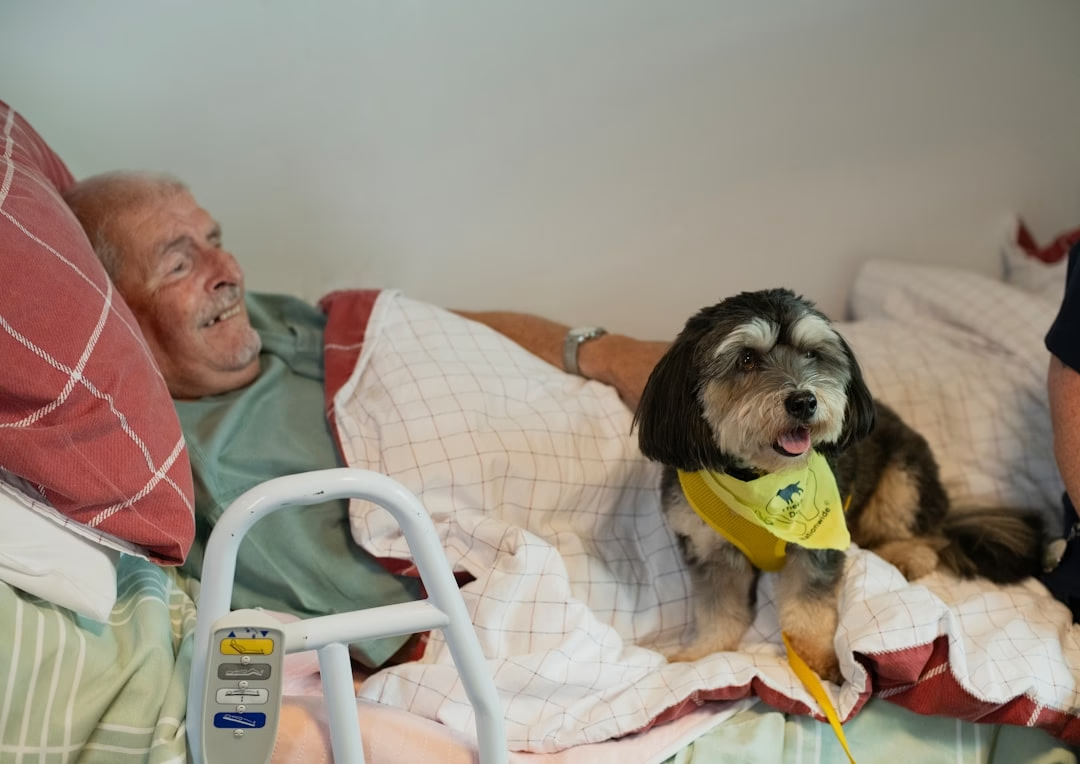
The advantages of a well-executed hospital to home care UAE transition are multifaceted. Economically, it can drastically lower overall healthcare costs. It frees up valuable hospital beds for acute cases. For the healthcare system, this is a major benefit. Patients experience psychological advantages, too. Being at home reduces anxiety and depression associated with long hospital stays.
Clinically, personalized care in the home can be more effective. Therapies are tailored to the patient’s daily life. For instance, a compact device like the ResMed AirMini compact CPAP allows for uninterrupted therapy during travel. This promotes adherence. Overall, the model supports the UAE government healthcare regulations focusing on patient-centric, sustainable care.
Common Questions on Home Care Transition
Families often have questions about transitioning care. A frequent concern is emergency preparedness. What happens if the power fails? A proper plan includes battery backups and emergency oxygen cylinders. Another common question involves cost and insurance. Many UAE insurers now cover home medical equipment, but pre-approval is necessary.
People also ask about training. Who will teach us? Reputable providers include comprehensive training sessions. They also offer ongoing support. Additionally, patients wonder about mobility. Portable solutions exist for active lifestyles. The key is to ask detailed questions and choose a provider with a strong track record. Never hesitate to contact our respiratory specialists for clarity.
Expert Recommendations for Success
Experts emphasize starting the discharge planning process early. Engage with the hospital team and your chosen home care provider before leaving. Furthermore, create a dedicated, clutter-free space for the medical equipment at home. This space should have easy access to power outlets and be well-ventilated. Also, keep a detailed log of therapy usage and any symptoms.
Experts strongly recommend using data-enabled devices. The feedback they provide is invaluable for clinicians. Schedule and attend all follow-up appointments, whether virtual or in-person. Finally, build a support network. Do not let the primary caregiver burn out. Utilizing all available resources, from equipment providers to home nursing services, is the expert-recommended path to a successful hospital to home care UAE experience.
Frequently Asked Questions
Q1: What is the most important factor for a successful hospital to home care UAE transition?
A: The most critical factor is detailed planning involving the hospital team, the patient, family, and the home care equipment provider to ensure all clinical and practical needs are met.
Q2: Will my health insurance cover home respiratory equipment?
A: Many comprehensive health insurance plans in the UAE do cover prescribed home medical equipment. However, you must obtain prior authorization from your insurer with the doctor’s prescription.
Q3: How do I ensure the equipment is medically approved?
A: Always source equipment from licensed providers like Oxydubai. Devices should have CE markings, FDA clearance, or approval from the UAE Ministry of Health.
Q4: What backup options exist for power outages?
A> Most critical devices have optional external battery packs. For oxygen concentrators, keeping a portable oxygen cylinder as a backup is a standard safety recommendation.
Q5: How often does the equipment need servicing?
A: It varies by device. Generally, professional servicing is recommended annually. Daily cleaning and monthly filter changes are part of user maintenance.
Q6: Can I travel with my home care equipment?
A: Yes, many modern devices are designed for travel. Portable oxygen concentrators and compact CPAP machines like the ResMed AirMini are FAA-approved for air travel with the correct documentation.
Conclusion
Navigating the hospital to home care UAE transition is a significant step toward sustainable long-term health management. With proper planning, the right high-quality equipment, and ongoing expert support, patients can enjoy a safer, more comfortable, and effective recovery at home. This model not only empowers patients but also aligns with the UAE’s forward-thinking healthcare vision.
Ultimately, success hinges on partnership between the medical team, the patient, and a reliable equipment provider. By focusing on education, correct setup, and adherence to maintenance, families can build confidence in managing care at home. For trusted guidance and premium respiratory equipment and products, partnering with an experienced provider is the first step toward a seamless transition and improved quality of life.