

Home Oxygen Backup Planning – Complete Guide
Introduction
Managing respiratory conditions in UAE? Reliable home oxygen backup planning is crucial. This medical strategy ensures continuous oxygen therapy during power outages or equipment failure. Consequently, it provides peace of mind and safety for patients.
In the UAE, extreme weather and infrastructure work can cause unexpected disruptions. Therefore, a robust backup plan is not optional. It is a vital component of responsible respiratory care management.
Proper home oxygen backup planning involves selecting the right equipment and creating protocols. It also means understanding local regulations and maintenance schedules. This comprehensive approach protects your health proactively.
At Oxydubai, trusted by 10,000+ UAE patients, we provide premium respiratory equipment and products. Our experts help you build a fail-safe emergency plan tailored to your needs.
Need Respiratory Solutions?
Understanding Home Oxygen Backup Planning
Home oxygen backup planning is a systematic approach to ensure oxygen supply continuity. It addresses potential failure points in your primary therapy system. First, identify risks like power cuts or concentrator malfunction.
Next, select appropriate backup devices. For example, portable oxygen concentrators with battery packs are excellent. Additionally, oxygen cylinders provide a simple, non-electric solution for critical emergencies.
Your plan should include maintenance schedules and emergency contacts. Also, consider registering with local utilities for priority restoration. The Dubai Health Authority healthcare guidelines emphasize patient preparedness.
Finally, practice your emergency procedures regularly. This ensures everyone in the household knows what to do. Therefore, you can respond calmly and effectively during an actual crisis.
Benefits of a Robust Emergency Plan
A reliable emergency respiratory plan offers multiple benefits. Primarily, it prevents therapy interruption, which is critical for health. Subsequently, it reduces hospital readmission risks and associated stress.
Financially, it can prevent costly emergency service calls. Moreover, it provides independence and confidence for patients and families. Knowing you are prepared improves overall quality of life significantly.
From a medical perspective, consistent oxygen saturation is maintained. This avoids the dangers of sudden desaturation. According to the World Health Organization respiratory health guidelines, continuity of care is essential.
In the UAE context, a plan accommodates unique local challenges. For instance, it considers high temperatures that may affect equipment. It also aligns with UAE Ministry of Health medical standards for home care.
Home Oxygen Backup Planning Features
Effective home oxygen backup planning incorporates several key features. Redundancy is the cornerstone. This means having multiple independent oxygen sources available immediately.
Another feature is power management. Solutions include uninterruptible power supplies (UPS) and generators. For example, a UPS can bridge short outages until a generator starts.
Monitoring and alert systems are also vital. Devices like the Philips Respironics DreamStation Auto CPAP often have backup battery alerts. Similarly, modern concentrators provide low-oxygen warnings.
Finally, a good plan includes clear documentation and training. Everyone at home should know device locations and activation steps. Consequently, response time during an emergency is minimized effectively.
Emergency Oxygen System Specifications
Choosing backup equipment requires understanding key specifications. Flow rate compatibility with your prescription is paramount. Your backup must deliver the same liters per minute (LPM) as your primary device.
Battery life is another critical spec. Look for devices offering several hours of operation. The Inogen One G5 portable oxygen concentrator, for instance, has extended battery options.
Portability and weight matter for mobility during an emergency. Additionally, consider devices with multiple power input options. These can connect to car adapters or solar panels if needed.
Always ensure equipment meets UAE safety standards. Compliance with Health Authority Abu Dhabi regulations and other emirate-level guidelines is mandatory. This guarantees device safety and reliability.
Expert Medical Advice?
Setup and Maintenance Protocols
Proper setup ensures your backup system works when needed. First, store backup equipment in an accessible, climate-controlled location. Avoid areas prone to flooding or extreme heat.
Connect backup power sources correctly. Test them monthly to confirm functionality. For complex systems like the BMC BPAP G2S B25VT/B30VT ventilator, professional installation is advised.
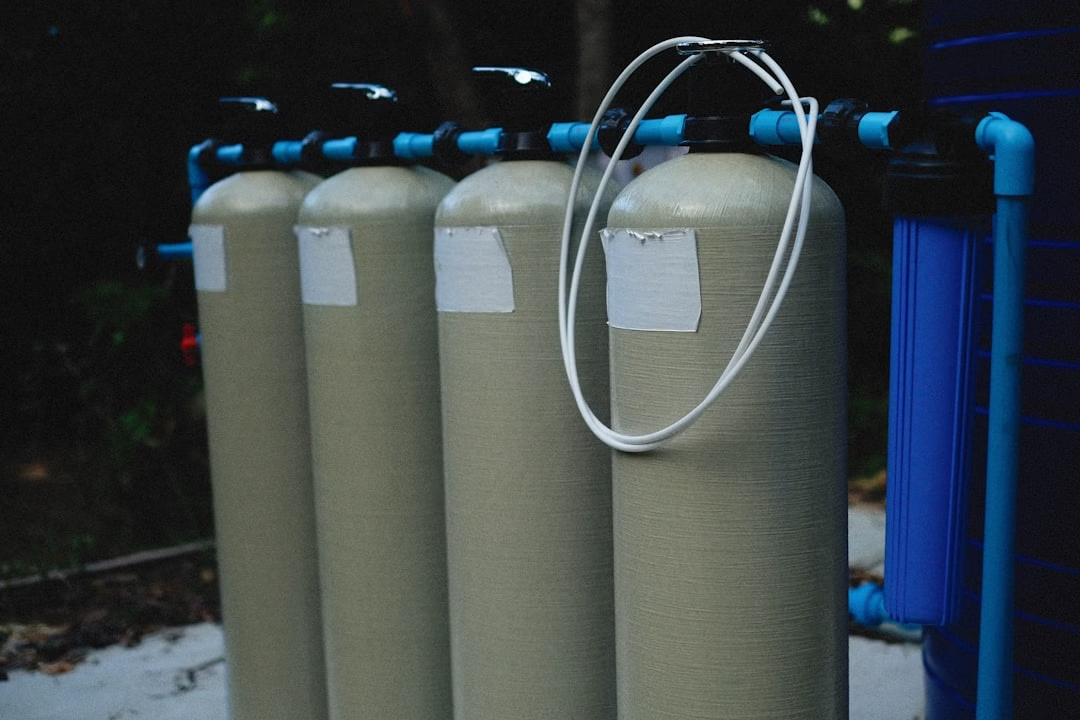
Maintenance is a continuous process. Regularly check battery charge levels and cylinder pressures. Furthermore, schedule professional servicing as per manufacturer guidelines and UAE government healthcare regulations.
Keep a maintenance log with dates and actions. Replace consumables, like filters and batteries, before they expire. This proactive approach prevents most failures before they occur.
Home Oxygen Backup Planning Advantages
The advantages of dedicated home oxygen backup planning are significant. Most importantly, it provides life-saving security for oxygen-dependent individuals. This security extends to their entire family.
It offers financial advantage by avoiding emergency costs. Ambulance calls and urgent equipment deliveries are expensive. A prepared plan utilizes resources you already own efficiently.
Clinically, it supports stable health outcomes. Sudden oxygen interruption can cause serious complications. Therefore, a backup plan is a direct investment in your long-term health stability.
Finally, it ensures compliance with care standards. Using reliable equipment like the Philips DreamStation Auto BiPAP machine with a backup plan demonstrates responsible self-care. It also aligns with best-practice clinical guidelines.
Common Questions Answered
Patients often ask how long backup should last. Ideally, plan for a minimum of 8-12 hours of coverage. This bridges most common power outages in urban UAE areas.
Another frequent question concerns cost. While initial investment is required, it offsets potential crisis expenses. Many insurance providers recognize the value and may offer support.
People wonder about equipment choices. Should they get a second concentrator or cylinders? The answer depends on your specific needs, mobility, and power reliability. For example, the Philips DreamStation BiPAP ST machine may need a specific backup solution.
Finally, many ask about legal responsibility. In the UAE, patients and caregivers share responsibility for continuity of care. Following UAE Ministry of Health medical standards for home oxygen therapy is strongly recommended.
Expert Recommendations for UAE Residents
Experts recommend a layered approach to home oxygen backup planning. Start with a portable concentrator with a battery. Then, add an oxygen cylinder as a final, non-electric backup.
Invest in a high-quality voltage stabilizer and UPS. UAE power grids are robust, but voltage fluctuations can damage sensitive electronics. Protecting devices like the BMC Resmart G2S A20 Auto CPAP machine is crucial.
Register your medical needs with your local electricity and water authority. Many offer priority service restoration for medical households. Also, inform your building management if you live in an apartment.
Create a “go-bag” with essential supplies. Include backup interfaces like a ResMed AirFit F30i full face mask, tubing, and a list of emergency contacts. Practice switching to your backup system quarterly to stay proficient.
Frequently Asked Questions (FAQ)
Q: What is the first step in home oxygen backup planning?
A: Assess your primary system’s vulnerabilities, like power dependency, and consult your physician.
Q: How often should I test my backup oxygen equipment?
A: Test batteries and cylinder systems monthly. Perform a full system switchover drill every 3-4 months.
Q: Can I use a portable concentrator as my main backup?
A: Yes, if its flow rate matches your prescription and it has sufficient battery capacity for your needs.
Q: Are there grants for emergency oxygen equipment in the UAE?
A: Some charities and patient support groups offer assistance. Check with your treating hospital’s social work department.
Q: What should my home oxygen backup planning checklist include?
A: It should list equipment, battery status, emergency numbers, and step-by-step activation procedures.
Q: Who can help me create a compliant plan in Dubai?
A: Reputable providers like Oxydubai can help. You can contact our respiratory specialists for a personalized assessment.
Conclusion
In summary, comprehensive home oxygen backup planning is a critical aspect of managing respiratory conditions. It transforms vulnerability into preparedness. Therefore, it directly contributes to health stability and personal confidence.
The process involves understanding your needs, selecting appropriate equipment, and establishing routines. It also requires staying informed about local regulations and resources. Ultimately, a good plan is simple, practiced, and reliable.
For UAE residents, considering local infrastructure and climate is essential. By integrating quality products and expert advice, you can build a resilient safety net. This ensures your oxygen therapy continues uninterrupted under almost any circumstance.
Begin your home oxygen backup planning journey today. Explore reliable respiratory equipment and products and consult with professionals. Your health and peace of mind are worth the investment.