

High-Altitude Respiratory Equipment – Complete Guide
Looking for sleep apnea solutions? High-altitude respiratory equipment is essential for managing health in elevated UAE locations. Consequently, lower oxygen levels at altitude can challenge those with respiratory conditions. Medical benefits of proper equipment include stable blood oxygen, restful sleep, and reduced cardiac strain. The UAE context, with destinations like Jebel Jais and Hatta, demands specialized devices. At Oxydubai, trusted by 10,000+ UAE patients with premium respiratory equipment and products.
Need Respiratory Solutions?
Understanding High-Altitude Respiratory Equipment
High-altitude respiratory equipment refers to devices designed for low-oxygen environments. For example, portable oxygen concentrators (POCs) and altitude-compensating CPAP machines are critical. These devices ensure users receive adequate oxygen saturation. In places like Jebel Jais, atmospheric pressure drops significantly. Therefore, standard devices may not perform optimally without adjustments. The World Health Organization respiratory health guidelines note the importance of environmental adaptations. Modern devices automatically adjust flow rates and pressure. This ensures therapeutic efficacy is maintained. Ultimately, selecting the right equipment requires understanding altitude specifications.
Many travelers and residents in the UAE encounter high-altitude areas. Consequently, they need reliable equipment that adapts. Devices like the Inogen One G5 portable oxygen concentrator are engineered for such conditions. They feature intelligent sensors that detect ambient air pressure changes. Moreover, they adjust oxygen delivery accordingly. This technology is vital for safety and comfort. Always verify device altitude ratings before travel. Compliance with UAE Ministry of Health medical standards is also essential for any medical device used locally.
Benefits of Altitude-Adaptive Devices
Altitude-adaptive devices offer significant advantages for users. Primarily, they maintain consistent therapy regardless of elevation. This consistency prevents health deteriorations during travel. Furthermore, these devices enhance user independence and mobility. For instance, a reliable POC allows hiking in Hatta with confidence. Additionally, they reduce symptoms of altitude sickness. Symptoms like headache and fatigue can be mitigated with proper oxygen flow. Modern devices are also lightweight and travel-friendly. Therefore, they do not restrict lifestyle activities.
Another key benefit is improved sleep quality at altitude. Sleep apnea therapy must continue uninterrupted. Altitude-compensating CPAP machines ensure this. They adjust pressure to counteract thinner air. As a result, users experience fewer apnea events. This leads to more restorative sleep. Moreover, these devices provide peace of mind for users and families. Knowing equipment will perform correctly is invaluable. Finally, using approved devices supports overall respiratory health management. This aligns with Dubai Health Authority healthcare guidelines for chronic condition care.
High-Altitude Respiratory Equipment Features
High-altitude respiratory equipment includes specific features for reliability. First, automatic altitude compensation is fundamental. This feature adjusts oxygen output or CPAP pressure without manual input. Second, robust battery life is crucial for portable use. For example, devices must last through long excursions. Third, real-time monitoring and alerts keep users informed. Alerts for low oxygen saturation or power are essential. Fourth, durable construction withstands variable outdoor conditions. Devices may face dust or temperature swings in UAE mountains.
Additionally, intuitive interfaces allow easy operation. Users should adjust settings quickly if needed. Fifth, data connectivity enables remote monitoring by clinicians. This is vital for ongoing care management. Sixth, compatibility with various masks and accessories ensures user comfort. The ResMed AirFit F30i mask works well with many systems. Seventh, compliance with international safety standards is non-negotiable. Devices should meet benchmarks set by global health bodies. Finally, compact design facilitates transport and storage. These features collectively define effective high-altitude respiratory equipment.
Device Specifications and Performance
Reviewing technical specifications ensures device suitability. Key specs include maximum operating altitude, flow rate range, and battery capacity. For instance, many POCs function up to 13,000 feet. This covers all UAE high points. Flow rates typically range from 1 to 6 liters per minute. However, some users may require pulse-dose settings. Battery capacity should support at least 8-10 hours of operation. Charging options like DC car adapters are beneficial for road trips.
Noise level is another important specification. Quiet operation enhances user experience, especially at night. Weight and dimensions directly impact portability. Modern concentrators often weigh under 5 pounds. Furthermore, warranty and service support within the UAE are critical. Devices like the ResMed AirSense 11 CPAP machine offer advanced altitude compensation. They adjust up to 8,500 feet automatically. Always check device manuals for altitude-specific performance data. Adherence to Health Authority Abu Dhabi regulations guarantees device legitimacy and safety.
Expert Medical Advice?
Setup and Maintenance Best Practices
Proper setup and maintenance ensure device longevity and performance. Initially, always consult the user manual before first use. Then, perform a test run at sea level to establish baseline function. Before traveling to altitude, check all filters and connections. Clean or replace filters as recommended by the manufacturer. For example, dusty environments like Hatta may require more frequent filter changes. Additionally, ensure batteries are fully charged. Carry backup power sources if possible.
Regular maintenance includes cleaning external surfaces with approved disinfectants. Also, inspect tubing and masks for wear or cracks. Schedule professional servicing annually or as per guidelines. This maintains accuracy and safety. Store devices in cool, dry places when not in use. Avoid extreme temperatures that can damage internal components. Furthermore, keep firmware updated if your device supports it. Updates often improve performance algorithms. Finally, always have a contingency plan, such as supplemental oxygen cylinders. For complex devices like the ResMed Astral 150 ventilator, professional setup is mandatory.
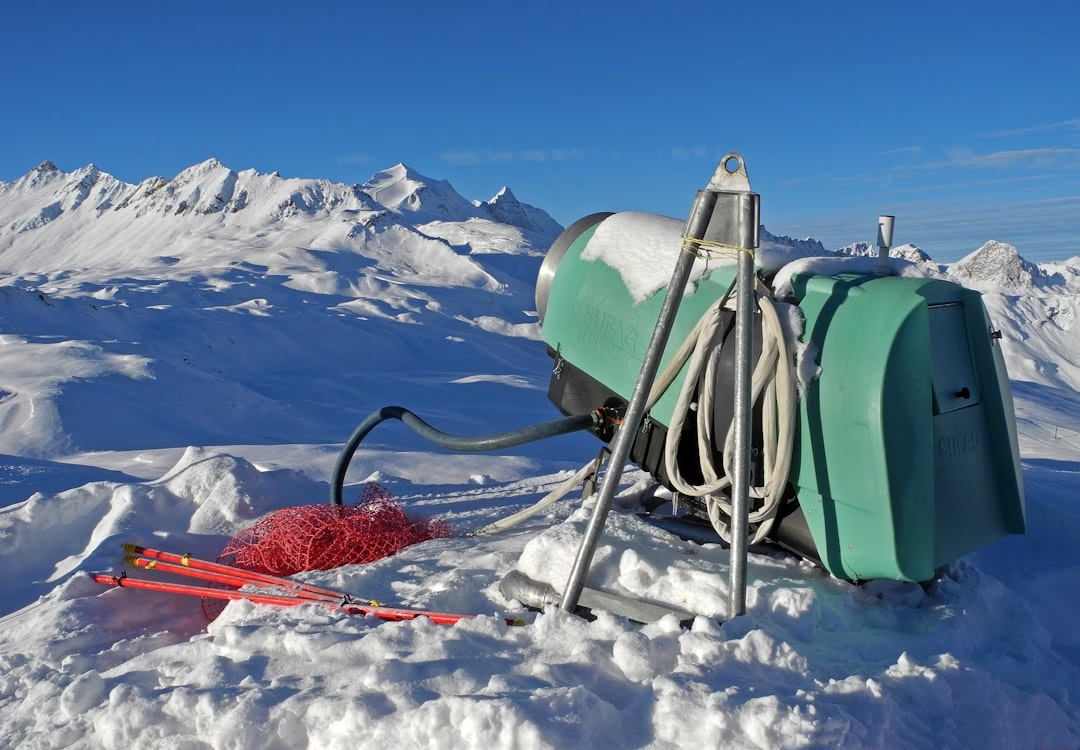
High-Altitude Respiratory Equipment Advantages
High-altitude respiratory equipment provides distinct advantages for active lifestyles. Firstly, it enables safe travel and adventure. Users can visit mountainous regions without health anxiety. Secondly, it ensures therapeutic consistency. Medical treatments remain effective regardless of location. Thirdly, it promotes better physical adaptation to altitude. Proper oxygen support reduces acclimatization time. Fourthly, it offers psychological comfort. Knowing you have reliable equipment reduces stress.
Fifthly, modern devices are designed for discretion and ease. For instance, the ResMed AirMini compact CPAP is incredibly portable. Sixthly, using appropriate equipment can prevent emergency situations. This is crucial in remote areas with limited medical access. Seventhly, it supports compliance with prescribed therapy. Patients are more likely to use devices that travel with them. Finally, investing in quality equipment is cost-effective long-term. It avoids complications that lead to hospital visits. These advantages highlight the importance of specialized high-altitude respiratory equipment.
Common Questions Answered
Users often have questions about device use at altitude. A frequent question is whether standard CPAP machines work in the mountains. The answer is that many modern devices auto-adjust, but always check specifications. Another common query concerns battery life in cold weather. Batteries drain faster in low temperatures, so keep them insulated. People also ask about airline approval for portable concentrators. Most major airlines approve specific POC models, but confirm with your carrier.
Users wonder about the need for prescription changes at altitude. Typically, device settings auto-adjust, but consult your doctor before travel. Another question involves cleaning devices in remote locations. Use manufacturer-approved wipes for quick cleaning. Finally, many ask about warranty coverage during travel. Most warranties cover normal use, but review terms for exclusions. For personalized advice, contact our respiratory specialists. They can address specific concerns about your high-altitude respiratory equipment and itinerary.
Expert Recommendations for UAE Travel
Experts recommend several practices for high-altitude travel in the UAE. First, schedule a pre-travel consultation with your pulmonologist. Discuss your plans and get medical clearance. Second, choose equipment with proven altitude compensation. Select devices tested and approved for elevations above 2,000 meters. Third, always carry your medical documentation and device prescription. This is important for security checks and emergencies. Fourth, acclimatize gradually if possible. Spend a few hours at altitude before overnight stays.
Fifth, monitor your oxygen saturation with a pulse oximeter. This provides real-time feedback on your adjustment. Sixth, stay well-hydrated, as altitude can cause dehydration. Seventh, inform travel companions about your equipment and its operation. Eighth, verify the availability of emergency services in your destination. Following UAE government healthcare regulations ensures you use legally compliant devices. Finally, consider renting a backup device for extended trips. These expert tips maximize safety and enjoyment.
Frequently Asked Questions
1. Can I use my regular CPAP machine in Jebel Jais?
Many modern CPAPs auto-adjust, but check your model’s altitude rating. Devices like the ResMed AirSense 11 are designed for this.
2. How does altitude affect oxygen concentrator performance?
Altitude reduces oxygen partial pressure. However, high-altitude respiratory equipment compensates by increasing flow or concentration.
3. Do I need a doctor’s prescription for a portable concentrator?
Yes, in the UAE, a prescription is required for all medical oxygen devices.
4. What is the best portable device for hiking in Hatta?
Lightweight POCs like the Inogen One G5 are excellent for mobility and battery life.
5. How do I clean my device while traveling?
Use disposable antibacterial wipes approved for medical equipment.
6. Are there rental options for high-altitude respiratory equipment?
Yes, providers like Oxydubai offer rental solutions for short-term needs. Browse our respiratory equipment and products for options.
Conclusion
Managing respiratory health in high-altitude UAE locations is entirely feasible with the right equipment. Consequently, selecting devices with automatic altitude compensation is crucial. This ensures effective therapy whether you’re in Jebel Jais or Hatta. Moreover, proper maintenance and preparation enhance safety and performance. The UAE’s diverse landscape invites exploration, and with reliable high-altitude respiratory equipment, individuals with respiratory conditions can participate confidently. Always prioritize devices that comply with local medical regulations. Finally, consult with specialists to tailor solutions to your specific needs and travel plans. Embrace adventure without compromising your health.