

Future Home Respiratory Care Technology – Complete Guide
Searching for oxygen therapy equipment? The landscape of future home respiratory care technology is evolving rapidly. Consequently, patients now have access to smarter, more connected, and highly personalized solutions. These advancements offer significant medical benefits, including improved treatment adherence, better sleep quality, and enhanced overall quality of life. Moreover, they empower individuals to manage chronic conditions from the comfort of their homes.
In the UAE context, the demand for advanced home care is growing. Therefore, understanding these technological trends is crucial for patients and caregivers. At Oxydubai, trusted by 10,000+ UAE patients, we provide premium respiratory equipment and products that incorporate these very innovations. This guide explores the key developments shaping the next generation of respiratory care.
Need Respiratory Solutions?
Understanding Future Home Respiratory Care Technology
The core of future home respiratory care technology lies in integration and intelligence. Traditionally, devices like CPAP machines and oxygen concentrators operated in isolation. However, the new wave connects them to digital ecosystems. This shift enables real-time monitoring and data-driven adjustments. For instance, modern devices sync seamlessly with smartphone apps.
These technologies focus on patient-centric design. They prioritize comfort, quiet operation, and intuitive interfaces. Furthermore, they align with global health trends toward remote patient management. In the UAE, adherence to UAE Ministry of Health medical standards ensures safety and efficacy. Devices like the Philips Respironics DreamStation Auto CPAP exemplify this connected, user-friendly approach.
Benefits of Advanced Respiratory Devices
Advanced respiratory devices offer transformative benefits. Primarily, they significantly improve treatment compliance. Smart alerts and comfort features reduce user frustration. Additionally, they provide detailed therapy data to clinicians. This data allows for precise treatment optimization remotely. Consequently, patient outcomes improve dramatically.
Another major benefit is enhanced mobility and independence. Portable concentrators and compact ventilators allow for active lifestyles. Patients are no longer confined to their homes. Moreover, integrated humidification and pressure relief technologies enhance comfort. This leads to better sleep and overall health. For complex needs, devices like the Philips DreamStation BiPAP ST machine offer sophisticated support.
Future Home Respiratory Care Technology Features
The defining features of future home respiratory care technology are connectivity and automation. Firstly, Bluetooth and cellular connectivity are now standard. These features enable devices to transmit usage and efficacy data automatically. Secondly, artificial intelligence algorithms are emerging. They can predict events and adjust therapy pressures proactively.
Other key features include advanced data visualization and cloud storage. Patients can view their therapy scores daily. Clinicians can access trends over months. Furthermore, devices feature ultra-quiet motors and adaptive pressure algorithms. For example, the BMC Resmart G2S A20 Auto CPAP machine includes such intelligent features. These innovations represent a leap forward in personalized care.
Innovative Device Specifications
Modern device specifications focus on performance and portability. Oxygen concentrators now offer higher flow rates in smaller packages. For instance, pulse-dose technology delivers oxygen efficiently. Meanwhile, CPAP devices feature wider pressure ranges and lower operating noise. These specs directly impact user comfort and therapy effectiveness.
Battery technology is also crucial. Longer-lasting, lightweight batteries enable true portability. Devices comply with strict Dubai Health Authority healthcare guidelines. The Inogen One G5 portable oxygen concentrator showcases this with its compact design. Similarly, ventilators for home use offer hospital-grade capabilities in quiet, sleek designs.
Expert Medical Advice?
Setup and Maintenance Protocols
Proper setup is vital for optimal therapy. Today’s devices often include guided setup via app tutorials. This process simplifies what was once daunting. Additionally, remote clinician support can assist with initial configuration. Regular maintenance, however, remains essential for device longevity and performance.
Maintenance protocols are now more user-friendly. Filters are easier to access and replace. Devices provide maintenance reminders and tutorials. Using genuine accessories, like the ResMed AirFit F30i full face mask, ensures compatibility and hygiene. Following World Health Organization respiratory health guidelines for equipment care is also recommended for infection control.
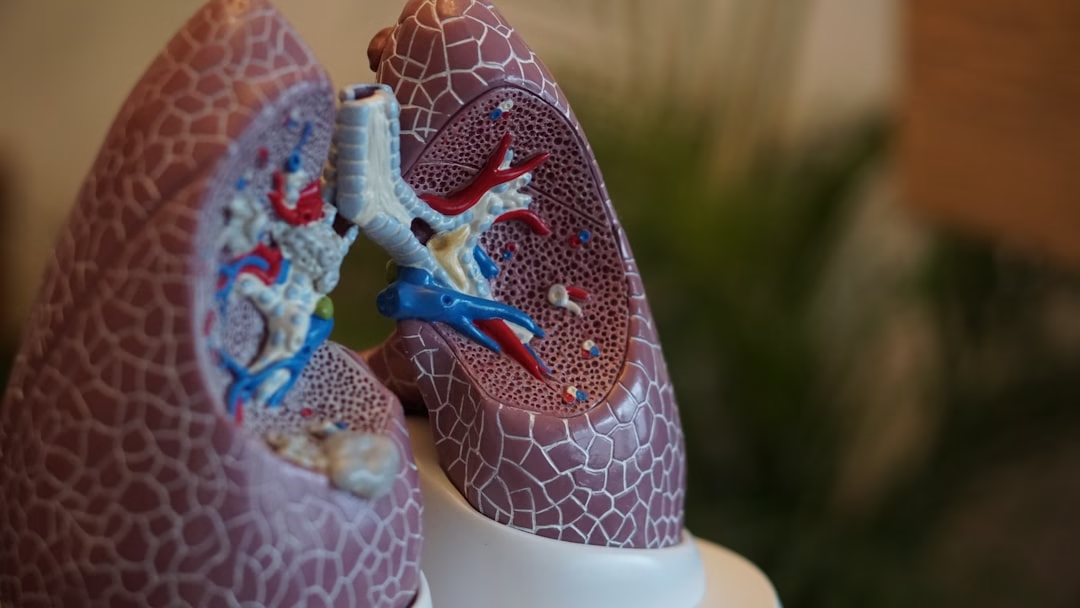
Future Home Respiratory Care Technology Advantages
The advantages of embracing future home respiratory care technology are substantial. Firstly, it enables proactive health management. Early detection of therapy issues prevents complications. Secondly, it reduces the burden on healthcare systems. Fewer in-person visits are needed due to remote monitoring. This is especially relevant under UAE government healthcare regulations promoting telehealth.
For the patient, the advantage is regained freedom and control. Advanced devices are less intrusive and more adaptive. They support a higher quality of life. For complex conditions, technology like the BMC BPAP G2S B25VT/B30VT ventilator provides critical support safely at home. Ultimately, this leads to better long-term health outcomes and patient satisfaction.
Common Questions Answered
Patients often ask about data security and privacy. Reputable manufacturers use encrypted data transmission. They comply with regulations like those from the Health Authority Abu Dhabi regulations. Another frequent question concerns device noise. Fortunately, newer models are exceptionally quiet, often below 30 decibels.
Many also inquire about travel compatibility. Most modern portable devices are FAA-approved for air travel. Additionally, they come with universal power adapters. For those upgrading, a common question is about the learning curve. Intuitive apps and customer support, like from Oxydubai, make the transition smooth. Devices like the Philips DreamStation Auto BiPAP machine are designed for ease of use.
Expert Recommendations for Adoption
Experts recommend a consultative approach when adopting new technology. Always involve your pulmonologist or sleep specialist in the decision. They can interpret data from these smart devices effectively. Furthermore, choose devices from reputable brands that offer local service and support. This ensures access to repairs and genuine parts.
Prioritize devices that offer comprehensive data reporting. This feature is invaluable for your doctor. Also, consider your lifestyle needs. If you travel frequently, portability is key. Finally, ensure any device meets the specific future home respiratory care technology standards for your condition. For personalized advice, you can always contact our respiratory specialists.
Frequently Asked Questions (FAQ)
Q1: How is future home respiratory care technology different from older models?
A: New technology focuses on connectivity, data, and patient comfort. It offers remote monitoring, quieter operation, and smarter algorithms for personalized therapy.
Q2: Are these advanced devices difficult to use?
A: No. In fact, they are often simpler. They feature intuitive touchscreens, guided setup via apps, and automated functions to reduce user burden.
Q3: Can I use my smart respiratory device while traveling abroad?
A> Yes. Most modern portable oxygen concentrators and CPAPs are designed for travel with dual-voltage capabilities and travel cases.
Q4: How does the data from my device help my doctor?
A: It provides objective metrics on usage hours, therapy effectiveness, and event detection. This allows for precise, data-driven treatment adjustments during remote consultations.
Q5: What should I look for in future home respiratory care technology?
A: Look for key features: wireless connectivity, detailed data reporting, compliance with local health authority guidelines, quiet operation, and reliable local supplier support.
Q6: Is remote monitoring secure and private?
A> Reputable companies use high-level encryption and comply with healthcare data protection laws, such as those enforced by the UAE health authorities, to keep your information safe.
Conclusion
The trajectory of future home respiratory care technology is clear: smarter, more connected, and profoundly patient-empowering. These innovations are transforming chronic disease management. They enable better clinical outcomes and richer daily lives. In the UAE, with its advanced healthcare vision, adopting these technologies is becoming the standard of care.
Ultimately, the goal is seamless, effective, and unobtrusive therapy. By choosing the right advanced equipment from trusted providers, patients can take full control of their respiratory health. To explore the devices that embody this future, visit our comprehensive collection of respiratory equipment and products. Embrace the future of care today for a healthier, more active tomorrow.