

Emergency Evacuation Plans for Medical Equipment Users Dubai
Emergency Evacuation Plans
Understanding Emergency Evacuation Plans
Dubai’s dynamic environment necessitates robust safety protocols for all residents. However, individuals reliant on medical equipment face unique challenges during emergencies. Emergency Evacuation Plans for medical equipment users are therefore critical for survival. Additionally, these specialized strategies address power dependencies and mobility limitations.
Furthermore, a comprehensive plan integrates personal needs with building-wide procedures. It ensures life-sustaining devices remain operational during a crisis. This guide provides a foundational understanding of these vital preparations.
Emergency Evacuation Plans Benefits
Implementing a personalized evacuation strategy offers immense advantages. It significantly reduces panic and confusion during high-stress events. Therefore, users can act decisively to protect their health and equipment.
Moreover, a well-practiced plan ensures continuity of care. This is crucial for individuals using devices like a ResMed Astral 150 ventilator. Consequently, it mitigates the risk of life-threatening treatment interruptions.
Another key benefit is compliance with local safety standards. The Dubai Health Authority healthcare guidelines emphasize inclusive emergency preparedness. Thus, having a plan aligns with official recommendations.
How Emergency Evacuation Plans Work
An effective plan functions as a detailed, step-by-step roadmap. It begins with a thorough assessment of personal medical needs. Specifically, it identifies all essential equipment, such as an Inogen One G5 portable oxygen concentrator.
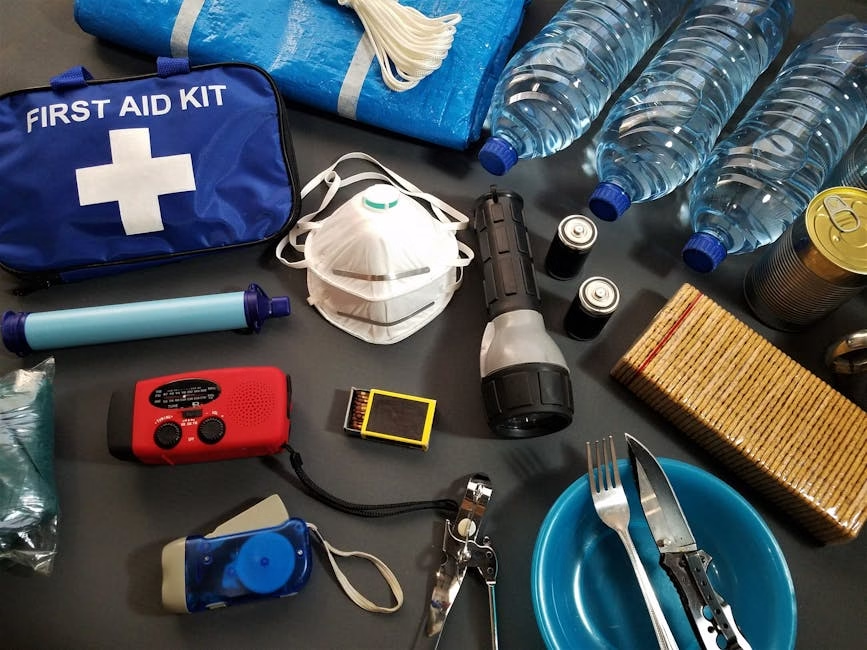
Next, the plan outlines primary and secondary escape routes. It also designates a “go-bag” with critical supplies. Typically, this includes backup batteries, medical records, and emergency contacts.
Finally, the strategy incorporates communication protocols. In addition, it involves coordinating with building management and local responders. This holistic approach ensures all bases are covered.
Best Emergency Evacuation Plans Practices
Adhering to proven practices dramatically increases plan effectiveness. First, maintain an updated list of all medical devices and their power requirements. Meanwhile, ensure you have portable alternatives for essential equipment.
Another best practice is to establish a personal support network. Neighbors or colleagues should know your needs and plan. For example, they can assist with carrying a ResMed AirSense 11 CPAP machine.
Regularly testing your evacuation route is also vital. Furthermore, conduct drills during different times of the day. This builds muscle memory and confidence for a real event.
Emergency Evacuation Plans Implementation
Successful implementation requires methodical action. Begin by consulting with your healthcare provider. They can offer medical-specific advice tailored to your condition.
Then, inventory your respiratory equipment and products. Identify which items are crucial for a 72-hour period. Consequently, you can prioritize what to take during an evacuation.
Next, formally register with your building’s security or management. Inform them of your requirements under the UAE government healthcare regulations. This step ensures responders are pre-aware of your situation.
Advanced Emergency Evacuation Plans Strategies
For enhanced safety, consider advanced strategic layers. Power resilience is a primary concern. Therefore, invest in high-capacity power banks or a compact generator.
Another advanced tactic is geographical redundancy. Identify multiple safe locations outside your immediate area. Moreover, pre-arrange for medical-grade power at these locations if possible.
Technology can also play a key role. Use apps and devices that align with World Health Organization respiratory health guidelines. These tools can provide alerts and vital information.
Emergency Evacuation Plans Success Tips
Maximize your plan’s effectiveness with these key tips. Keep your emergency “go-bag” lightweight and easily accessible. It should include a compact device like the ResMed AirMini compact CPAP.
Always have physical copies of your prescription and doctor’s contact information. Additionally, store digital copies in a secure cloud service. This dual approach safeguards critical data.
Finally, establish a clear communication chain with family. Furthermore, practice your plan semi-annually to account for any changes in health or equipment.
Future of Emergency Evacuation Plans
The evolution of technology will shape future safety strategies. Smart building systems will likely integrate with personal medical devices. This will provide automated alerts and guidance.
Furthermore, advancements in portable medical tech, such as lighter ResMed AirFit F30i mask systems, will make evacuation easier. Regulations from the UAE Ministry of Health medical standards will also become more specific.
Ultimately, the goal is a seamless, connected safety net. This will empower every individual, regardless of medical need, to evacuate safely and with confidence.
Frequently Asked Questions
What should be in my medical evacuation go-bag?
Your bag should contain a 3-day supply of medication, backup batteries for devices, a portable oxygen concentrator if needed, medical documents, and emergency contact numbers.
How do I register my needs with Dubai authorities?
Start by informing your building management. You can also contact our respiratory specialists for guidance on connecting with local services that follow Health Authority Abu Dhabi regulations.
What is the most common mistake in evacuation planning?
The most common error is underestimating battery life. Test how long your equipment lasts on backup power and always double your estimated requirement.
Can I use a power bank for my CPAP machine?
Yes, but you need a compatible DC converter and a power bank with sufficient capacity. Check your device’s manual for specific voltage and amperage requirements.
How often should I practice my evacuation plan?
You should conduct a full drill at least every six months. Additionally, review and update your plan whenever your medical equipment or health status changes.
Who should be part of my personal support network?
Include neighbors, family members, and trusted colleagues. Ensure at least two people know your plan, the location of your equipment, and how to assist you.
Conclusion
Creating a robust strategy is not optional. It is a fundamental aspect of living safely with a medical condition in an urban environment. A well-constructed Emergency Evacuation Plans provides peace of mind and tangible security.
It transforms potential chaos into a manageable, practiced procedure. Therefore, take the first step today. Review your current supplies and identify any gaps in your preparedness.
Do not wait for an emergency to reveal the weaknesses in your strategy. Proactively build your safety net now. Your health and safety are worth every moment of preparation.