

Dubai Air Quality Respiratory Health – Complete Guide
Managing respiratory conditions in UAE? Understanding the dynamic relationship between Dubai air quality respiratory health is crucial for residents and visitors. The unique desert environment, combined with urban development, creates specific challenges for lung health. Consequently, proactive monitoring and protection are essential for maintaining wellness.
According to the World Health Organization respiratory health guidelines, air pollution is a major risk factor for respiratory and cardiovascular diseases. In the UAE context, seasonal sandstorms and urban pollutants can significantly impact those with pre-existing conditions like asthma or COPD. Therefore, staying informed is your first line of defense.
At Oxydubai, trusted by 10,000+ UAE patients, we provide premium respiratory equipment and products to help you breathe easier. Our medical-grade solutions are designed specifically for the regional climate and air quality challenges.
Need Respiratory Solutions?
Understanding Dubai Air Quality Respiratory Health
Dubai’s air quality directly impacts respiratory health through several mechanisms. Primarily, particulate matter from sandstorms and construction can irritate airways and exacerbate conditions. Additionally, vehicle emissions and industrial activities contribute to ozone and nitrogen dioxide levels that affect lung function.
The Dubai Health Authority healthcare guidelines emphasize monitoring Air Quality Index (AQI) readings, especially during high-risk periods. Furthermore, understanding these patterns helps in managing conditions proactively rather than reactively. Many residents benefit from devices like the ResMed AirSense 11 CPAP machine to maintain respiratory therapy despite environmental challenges.
Real-time monitoring through official apps provides immediate data on pollution levels. This information is particularly valuable for planning outdoor activities and adjusting medication schedules accordingly. Ultimately, knowledge empowers better health decisions in Dubai’s unique climate.
Benefits of Air Quality Monitoring
Regular air quality monitoring offers significant advantages for respiratory patients in Dubai. Firstly, it provides early warning systems for sandstorm events and high pollution days. Consequently, individuals can limit exposure during peak risk periods and prevent symptom flare-ups.
Moreover, understanding daily air patterns helps in creating personalized management strategies. For example, scheduling outdoor exercise when AQI levels are lowest can maintain fitness without compromising lung health. The UAE Ministry of Health medical standards recommend such adaptive approaches for chronic respiratory conditions.
Additionally, monitoring enables better medication management and equipment usage timing. Devices like the Inogen One G5 portable oxygen concentrator can be used more effectively when paired with air quality awareness. Therefore, this proactive approach significantly enhances quality of life.
Dubai Air Quality Respiratory Health Features
The Dubai air quality respiratory health landscape includes several key features for protection. Real-time AQI monitoring through government-approved apps provides immediate environmental data. These platforms typically offer personalized alerts based on individual sensitivity levels and medical history.
Another critical feature is sandstorm prediction technology, which uses meteorological data to forecast events 24-48 hours in advance. Simultaneously, indoor air quality management systems help create safe havens during poor outdoor conditions. The UAE government healthcare regulations support these integrated approaches to public health protection.
Furthermore, medical device compatibility ensures respiratory equipment functions optimally despite environmental factors. For instance, the ResMed AirMini compact CPAP includes filters designed for particle-rich environments. These comprehensive features create a robust defense system for lung health.
Monitoring System Specifications
Effective air quality monitoring systems in Dubai meet specific technical standards. Typically, they measure PM2.5 and PM10 particulates, ozone, nitrogen dioxide, and carbon monoxide. Moreover, these systems update readings frequently, often every 15-60 minutes, for real-time accuracy.
The monitoring infrastructure follows Health Authority Abu Dhabi regulations for medical device integration. Consequently, data can be shared with healthcare providers for treatment adjustments. This is particularly important for patients using equipment like the ResMed Astral 150 ventilator, where environmental factors affect therapy effectiveness.
Additionally, these systems feature multi-platform accessibility through smartphones, computers, and integrated home systems. They also provide historical data tracking to identify patterns and triggers. Therefore, users can make informed decisions about daily activities and medical needs.
Expert Medical Advice?
Setup and Maintenance Protocols
Proper setup of air quality monitoring and respiratory equipment requires careful planning. Initially, position indoor monitors in frequently used spaces, avoiding direct airflow from vents or windows. Similarly, ensure proper placement of respiratory devices according to manufacturer specifications.
Regular maintenance is equally crucial for optimal performance. For example, replace air purifier filters according to manufacturer guidelines, potentially more frequently during high-dust periods. Additionally, clean respiratory equipment like the ResMed AirFit F30i mask daily to prevent particle buildup.
Furthermore, establish routine checks of all monitoring equipment calibration and battery levels. Create a maintenance schedule that aligns with seasonal changes in air quality patterns. Consequently, this proactive approach ensures reliable performance when you need it most.
Dubai Air Quality Respiratory Health Advantages
The comprehensive approach to Dubai air quality respiratory health delivers multiple advantages. Primarily, it reduces emergency room visits and hospitalizations through proactive management. Additionally, it improves daily symptom control and overall quality of life for respiratory patients.
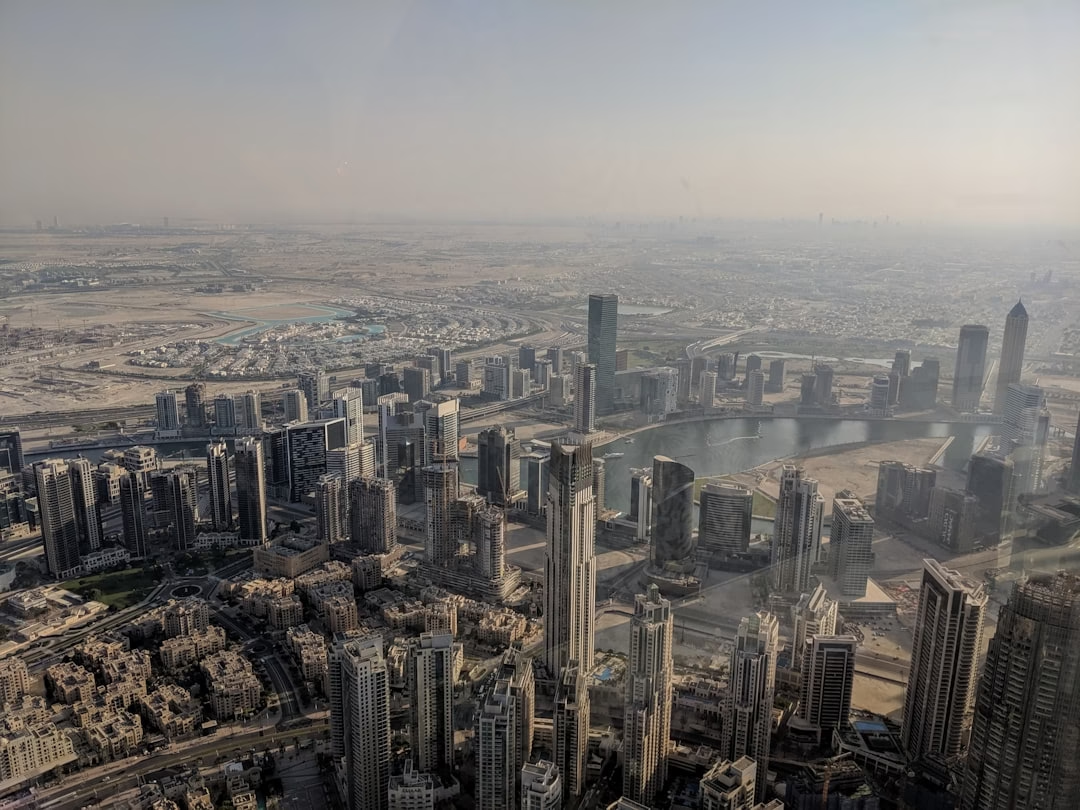
Another significant advantage is the empowerment of patients through accessible information and technology. When individuals understand environmental triggers, they can make informed decisions about activities and treatments. The World Health Organization respiratory health guidelines emphasize this patient-centered approach.
Moreover, integrated systems allow for better healthcare provider coordination and treatment planning. With reliable data, physicians can adjust medications and therapies based on objective environmental factors. Therefore, this holistic approach represents a major advancement in respiratory care management.
Common Questions Answered
How often should I check air quality readings in Dubai? Ideally, check daily, especially during seasonal changes and before outdoor activities. During sandstorm season, monitor more frequently for sudden changes.
What AQI level requires indoor precautions? When AQI exceeds 100 (unhealthy for sensitive groups), limit outdoor exposure. Above 150, everyone should reduce prolonged exertion outdoors.
Can air purifiers help during sandstorms? Yes, HEPA-filter purifiers effectively reduce indoor particulate levels. However, ensure proper sealing of windows and doors for maximum effectiveness.
How does Dubai air quality respiratory health affect sleep apnea treatment? Poor air quality can irritate airways, potentially worsening sleep apnea symptoms. Using properly filtered CPAP machines maintains therapy effectiveness.
Are children more vulnerable to Dubai’s air quality? Yes, children’s developing respiratory systems are more sensitive to pollutants. Implement extra precautions during poor air quality days.
Where can I find reliable air quality data for Dubai? Use official government apps and websites rather than international apps that may not have local monitoring stations.
Expert Recommendations and Best Practices
Medical experts recommend several best practices for managing respiratory health in Dubai’s environment. Firstly, establish a daily routine of checking air quality before planning activities. Subsequently, adjust outdoor exercise and exposure based on current conditions.
Additionally, create a comprehensive indoor air quality strategy using HEPA air purifiers and proper ventilation management. The Dubai Health Authority healthcare guidelines recommend maintaining indoor humidity between 30-50% for optimal respiratory comfort.
Furthermore, ensure regular medical check-ups and equipment maintenance, especially before seasonal changes. Work with healthcare providers to develop personalized action plans for high-pollution days. For professional guidance, contact our respiratory specialists who understand local conditions and challenges.
Frequently Asked Questions
What are the main air quality challenges for respiratory health in Dubai? Seasonal sandstorms, vehicle emissions, and construction dust create particulate matter that affects breathing.
How can I protect myself during sandstorms? Stay indoors, use air purifiers, wear N95 masks if going outside, and keep respiratory equipment clean.
Which AQI apps are most accurate for Dubai? Official UAE government apps and the Dubai Municipality app provide the most localized, accurate data.
Can indoor plants improve air quality? Some plants help slightly, but HEPA air purifiers are far more effective for respiratory patients.
How often should I replace CPAP filters in Dubai? More frequently than recommended—check monthly and replace when discolored, especially after sandstorms.
Where can I find quality respiratory equipment in Dubai? Oxydubai offers medically approved respiratory equipment and products designed for local conditions.
Conclusion
Managing Dubai air quality respiratory health requires a comprehensive, informed approach. By understanding environmental factors, utilizing monitoring technology, and implementing protective strategies, residents can maintain better respiratory wellness. The integration of real-time data with proper medical equipment creates a powerful defense system.
Remember that proactive management consistently outperforms reactive treatment for chronic respiratory conditions. Establishing daily monitoring habits and maintaining equipment properly ensures you’re prepared for environmental challenges. Additionally, working with healthcare professionals who understand local conditions optimizes your management strategy.
Ultimately, the goal is achieving the best possible quality of life despite environmental challenges. With the right knowledge, tools, and support, respiratory patients in Dubai can breathe easier and live fully. For personalized solutions, explore our range of respiratory equipment and products designed specifically for UAE conditions.

