

DHA Home Medical Equipment Guide
Introduction
Managing respiratory conditions in UAE? Understanding the DHA Home Medical Equipment framework is crucial. Consequently, this guide provides clarity. The Dubai Health Authority (DHA) sets strict standards for patient safety and device efficacy. Therefore, compliance is not optional for residents. Properly regulated equipment ensures effective treatment for sleep apnea, COPD, and oxygen therapy. Moreover, it aligns with broader UAE Ministry of Health medical standards.
Navigating these rules can seem complex. However, the goal is clear: to guarantee high-quality home healthcare. For instance, devices like CPAP machines and oxygen concentrators must meet specific technical and safety benchmarks. Following DHA guidelines protects patients and optimizes health outcomes. Ultimately, this creates a safer healthcare environment at home.
At Oxydubai, we simplify this process. Trusted by 10,000+ UAE patients, we provide premium, compliant respiratory equipment and products. Our team ensures every device meets the necessary regulatory checks. So, you can focus on your health with complete confidence.
Need Respiratory Solutions?
Understanding DHA Home Medical Equipment
The DHA Home Medical Equipment regulations form a comprehensive framework. Primarily, they govern the import, supply, and use of medical devices in Dubai. These rules ensure all equipment is safe, effective, and suitable for home use. Furthermore, they are part of integrated UAE government healthcare regulations.
Key aspects include mandatory device registration and technical file submission. Suppliers must obtain necessary approvals before distributing products. For example, a ResMed AirSense 11 CPAP machine must have DHA clearance. Additionally, after-sales service and maintenance standards are specified. This ensures long-term device reliability and patient safety.
Understanding these protocols is essential for patients and caregivers. It guarantees that the equipment you use is legally compliant and medically approved. Therefore, always verify your supplier’s DHA credentials. This step is fundamental for secure and effective home-based care.
Benefits of Regulated Respiratory Care
Using DHA-compliant equipment offers significant advantages. First, it assures adherence to internationally recognized safety protocols. Devices are tested for electrical safety, emissions, and clinical performance. As a result, patient risk is minimized. Moreover, compliant equipment often features better durability and accuracy.
Another key benefit is access to professional support. Registered suppliers provide proper setup, training, and maintenance. For instance, correct use of a ResMed AirFit F30i mask is crucial for therapy success. Furthermore, insurance claims are smoother with approved devices. Many UAE insurers require DHA registration for reimbursement.
Ultimately, regulated care improves treatment adherence and quality of life. Patients gain peace of mind knowing their equipment meets stringent standards. This structured approach aligns with World Health Organization respiratory health guidelines. So, it supports long-term health management effectively.
DHA Home Medical Equipment Features
Devices falling under DHA Home Medical Equipment rules share critical features. Primarily, they are designed for non-clinical, home environments. Therefore, they prioritize user-friendliness and safety. Common features include intuitive interfaces, low noise output, and fail-safe mechanisms. For example, modern oxygen concentrators have oxygen purity sensors.
Data connectivity is another important feature. Many compliant devices offer Bluetooth or cellular data tracking. This allows healthcare providers to monitor therapy adherence remotely. The ResMed AirMini compact CPAP syncs data to a smartphone app. Consequently, patients and doctors can review sleep therapy data easily.
Finally, robustness for daily use is essential. Equipment must withstand regular operation without frequent breakdowns. DHA guidelines indirectly encourage these durability standards. So, patients receive reliable tools for managing chronic conditions at home.
Medical Device Specifications and Compliance
Technical specifications are central to DHA compliance. Each device category has defined performance thresholds. For oxygen concentrators, this includes flow rate stability and oxygen concentration (e.g., 93% ±3%). The Inogen One G5 portable oxygen concentrator meets such precise specs. Similarly, CPAP devices must deliver accurate pressure within a defined tolerance.
Documentation is equally vital. Manufacturers must provide a technical file. This includes design specifications, risk analysis, and clinical evaluation reports. Additionally, labeling must be in Arabic and English, as per Health Authority Abu Dhabi regulations. Clear labeling ensures proper patient education and usage.
Regular audits and post-market surveillance are mandated. Suppliers must report any adverse incidents to the DHA. This continuous monitoring cycle upholds high safety standards. Therefore, compliance is an ongoing commitment, not a one-time event.
Expert Medical Advice?
Setup and Maintenance Protocols
Proper setup is the first step to effective therapy. DHA-aligned providers offer professional installation. A specialist will ensure your device is placed correctly and settings are personalized. For instance, ventilator settings on a ResMed Astral 150 ventilator must be calibrated by a technician. This ensures optimal performance and safety.
Routine maintenance is a regulatory requirement. Filters, tubing, and masks need regular cleaning and replacement. Consequently, this prevents infection and maintains device efficacy. Suppliers should provide clear maintenance schedules and access to genuine parts. Following these protocols extends device lifespan and protects your investment.
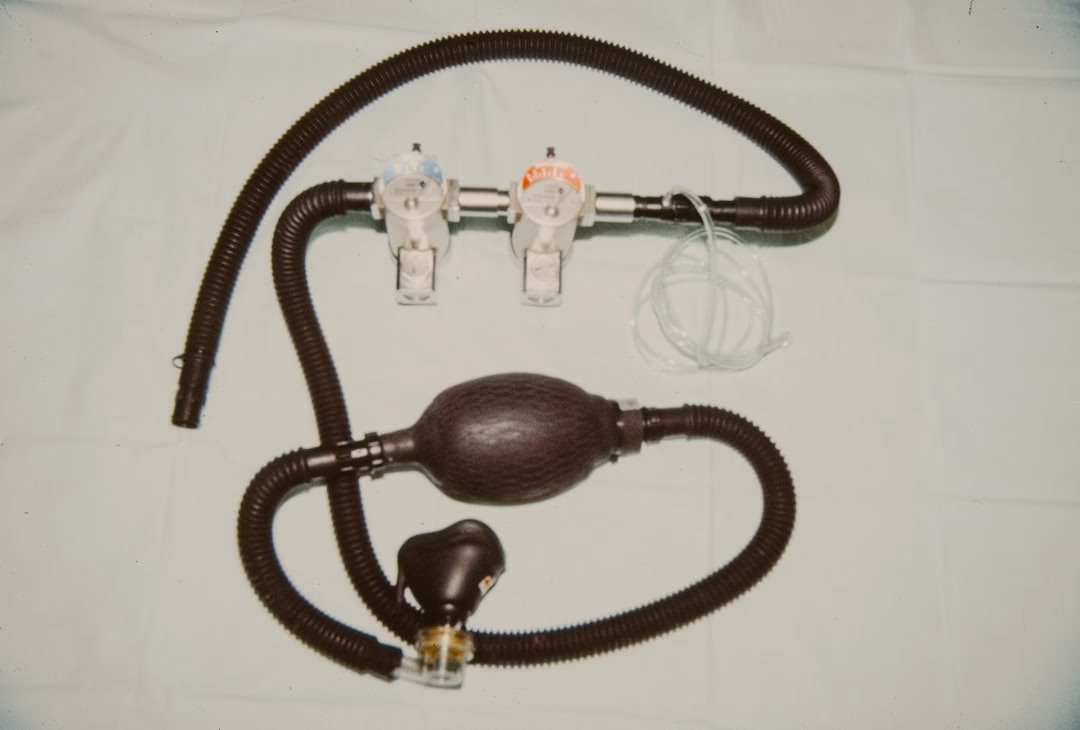
Furthermore, patients receive training on basic troubleshooting. Understanding alarm signals and simple fixes empowers users. However, complex repairs must always be handled by authorized service centers. This structured approach to upkeep is a cornerstone of sustainable home healthcare.
DHA Home Medical Equipment Advantages
Choosing compliant DHA Home Medical Equipment delivers distinct advantages. Foremost, it provides legal assurance and market legitimacy. You avoid the risks of uncertified, substandard products. Moreover, it facilitates integration into the wider UAE healthcare system. Doctors are more confident prescribing registered devices.
Another advantage is consistent quality. The DHA framework mandates good manufacturing practice (GMP) standards. Therefore, device performance is reliable and reproducible. Patients using a compliant CPAP machine experience consistent air pressure night after night. This reliability is crucial for treatment success.
Finally, it supports better health outcomes. Regulated equipment is clinically proven to be effective. Adherence to Dubai Health Authority healthcare guidelines means your therapy is based on evidence. So, you invest in your long-term well-being with confidence.
Common Questions on Home Medical Equipment
Patients often have questions about acquiring and using home care devices. A frequent query is about the prescription requirement. Typically, a doctor’s prescription is mandatory for medical equipment purchase. This ensures the device matches your specific clinical needs. Another common question concerns warranty and service. DHA-registered suppliers must offer clear warranty terms and accessible service support.
Many ask about travel with medical devices. Portable units like the Inogen G5 are designed for travel, but always check airline policies in advance. Additionally, patients wonder about noise levels. Modern devices are engineered for quiet operation, a key feature for home use. For example, the ResMed AirSense 11 operates very quietly.
Understanding these practical aspects reduces anxiety. Therefore, always consult with your supplier or contact our respiratory specialists for detailed answers. Clear communication ensures a smooth therapy journey.
Expert Recommendations for UAE Patients
Experts emphasize starting with a proper clinical assessment. A sleep study or pulmonary function test dictates the right equipment. Then, select a DHA-authorized supplier with a strong track record. Look for companies that offer comprehensive after-sales support. This includes training, maintenance, and responsive customer service.
Invest in quality from the beginning. While cost is a factor, the cheapest option may not be compliant or durable. High-quality devices like the ResMed Astral 150 represent a long-term investment in health. Furthermore, prioritize devices with data tracking capabilities. This feature enables proactive therapy management with your doctor.
Finally, stay informed about regulation updates. The DHA Home Medical Equipment landscape can evolve. Regularly checking official DHA resources keeps you updated. Proactive patients achieve the best health outcomes through informed choices.
Frequently Asked Questions (FAQ)
Q1: Do I need a prescription for all home medical equipment in the UAE?
Yes, most medical-grade equipment, like CPAP machines and oxygen concentrators, requires a valid prescription from a licensed UAE physician to ensure correct therapy.
Q2: How do I verify if a device is DHA approved?
Ask the supplier for the DHA Medical Device Marketing Authorization certificate. You can also verify the device registration on the official DHA website portal.
Q3: What is the typical warranty on DHA Home Medical Equipment?
Warranties vary but often range from 2 to 5 years for major components. Always get the warranty terms in writing from your supplier.
Q4: Can I use equipment bought from outside the UAE?
It is not recommended. Devices may not be configured for UAE voltage, lack Arabic manuals, and most importantly, may not have DHA approval, voiding local service and insurance support.
Q5: What are the consequences of using non-compliant equipment?
Risks include voided insurance, lack of service support, potential safety hazards, and legal issues. Most importantly, it may compromise your treatment effectiveness.
Q6: How often should DHA-registered equipment be serviced?
Service intervals depend on the device. Generally, an annual professional check is advised, with more frequent user maintenance (like filter changes) as per the manual. For specific schedules, contact our respiratory specialists.
Conclusion
Navigating the DHA Home Medical Equipment landscape is essential for safe and effective home healthcare in the UAE. These regulations exist to protect patients and ensure high standards of care. By understanding the requirements for compliance, setup, and maintenance, you can make empowered decisions for your health. Consequently, this leads to better management of respiratory conditions and improved quality of life.
Choosing a trusted, authorized provider is the most critical step. It guarantees access to genuine, compliant products and professional support. At Oxydubai, we are committed to guiding you through every step, from selection to ongoing care. Our range of premium respiratory equipment and products meets all DHA and UAE regulatory standards.
Therefore, prioritize compliance and quality in your home medical equipment choices. Embrace the structured support offered by the DHA framework. Ultimately, this approach ensures your home becomes a safe and effective extension of professional clinical care.