

CPAP Military Deployment Active Duty – Complete Guide
Introduction
Looking for sleep apnea solutions? Managing sleep apnea while serving on active duty presents unique challenges. Consequently, a strategic approach to CPAP military deployment active duty is essential for mission readiness and personal health. Modern military protocols now support the use of CPAP therapy, even in field conditions. This ensures personnel with sleep apnea can maintain peak performance. Moreover, proper management reduces long-term health risks associated with untreated sleep disorders.
In the UAE and broader GCC region, military personnel have specific needs for durable, portable respiratory solutions. The demanding environment requires equipment that can withstand dust, variable power, and transport. Therefore, selecting the right gear is a critical component of healthcare planning. At Oxydubai, trusted by 10,000+ UAE patients, we provide premium respiratory equipment and products suitable for demanding scenarios. Our expertise supports those serving in all branches of service.
Need Respiratory Solutions?
Understanding CPAP Military Deployment Active Duty
Navigating CPAP military deployment active duty requires understanding both medical and operational guidelines. First, military health systems typically require a formal diagnosis and prescription. Following this, a review determines fitness for duty with CPAP. Importantly, most branches now have clear policies for deploying with sleep apnea equipment. These policies align with World Health Organization respiratory health guidelines on chronic condition management.
Deployment involves planning for power sources, maintenance, and discretion. For example, compact devices like the ResMed AirMini compact CPAP are ideal for mobility. Additionally, battery packs and solar chargers can extend operation off-grid. Consequently, service members must coordinate with their unit medical officer. Finally, proper documentation is crucial to avoid delays during gear inspections.
Benefits of Military Sleep Apnea Management
Effectively managing sleep apnea offers significant benefits for active-duty personnel. Primarily, it dramatically improves sleep quality and cognitive function. This leads to better decision-making, vigilance, and reaction times during missions. Furthermore, consistent therapy reduces daytime fatigue and the risk of accidents. Therefore, it directly enhances operational safety and unit effectiveness.
Long-term health benefits are equally important. For instance, treating sleep apnea lowers cardiovascular strain and improves metabolic health. This is vital for maintaining physical fitness standards. Moreover, the UAE Ministry of Health medical standards emphasize proactive management of chronic conditions. Using reliable equipment like the ResMed AirSense 11 CPAP machine ensures effective therapy. Ultimately, this supports a longer, healthier service career.
CPAP Military Deployment Active Duty Features
Equipment for CPAP military deployment active duty must have specific, rugged features. Durability is the foremost concern, with devices needing resistance to sand, dust, and humidity. Next, portability and weight are critical for personnel on the move. Additionally, power versatility is essential for use with generators, batteries, or vehicle outlets. Many modern CPAPs also feature data encryption for operational security.
Advanced features include integrated humidification that adapts to arid climates. Similarly, quiet operation maintains discretion in shared living quarters. For example, the ResMed AirFit F30i mask offers a stable fit during movement. These features are designed to meet the stringent demands outlined by the Dubai Health Authority healthcare guidelines. Consequently, they ensure therapy continuity in any environment.
Deployment-Ready Equipment Specifications
Selecting the right equipment requires careful review of technical specifications. Key specs include operating temperature range, shock resistance, and ingress protection (IP) ratings. Furthermore, battery life and charge times determine field viability. Devices should also be compatible with international voltage standards. This ensures functionality across different deployment locations.
Another critical specification is the device’s altitude compensation capability. This is crucial for operations in mountainous regions. Additionally, for those requiring supplemental oxygen, a portable concentrator like the Inogen One G5 portable oxygen concentrator may be integrated. Compliance with Health Authority Abu Dhabi regulations guarantees safety and efficacy. Therefore, always verify medical device approvals before deployment.
Expert Medical Advice?
Setup and Maintenance in Field Conditions
Proper setup and maintenance are vital for reliable CPAP performance during deployment. Initially, create a clean, stable area for the device, even in a tent or vehicle. Always use a surge protector or voltage regulator with unstable power sources. Subsequently, ensure all filters are clean and check for dust ingress daily. This prevents motor damage and maintains air quality.
Regular maintenance includes disinfecting masks and tubing with approved wipes. Furthermore, having spare parts like filters and cushions is non-negotiable. For critical respiratory support, devices like the ResMed Astral 150 ventilator have specific maintenance schedules. Adherence to these protocols, in line with UAE government healthcare regulations, ensures device longevity and patient safety. Ultimately, a small daily routine prevents major failures.
CPAP Military Deployment Active Duty Advantages
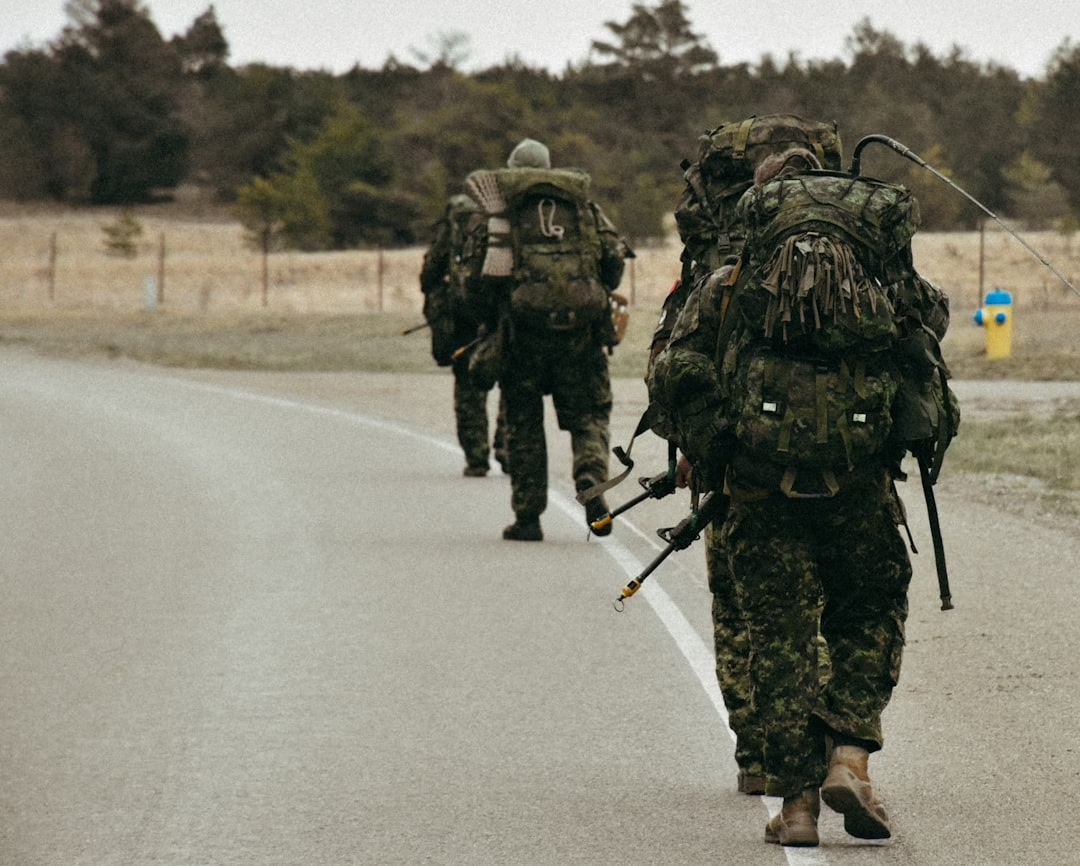
The strategic advantages of robust CPAP military deployment active duty protocols are clear. Firstly, they retain experienced personnel who might otherwise be medically separated. This preserves institutional knowledge and training investment. Secondly, they promote a culture of health and proactive medical care within units. As a result, overall force resilience and readiness improve.
From an individual perspective, the advantage is sustained health and career progression. Effective sleep apnea management mitigates the condition’s impact on performance evaluations. Additionally, using advanced, discreet equipment minimizes stigma and operational disruption. Access to premium respiratory equipment and products is a key enabler. Therefore, investing in the right therapy solution benefits both the service member and the command.
Common Questions from Service Members
Service members often have practical questions about deploying with CPAP. A frequent question is about power solutions for extended field exercises. Typically, high-capacity DC battery packs are the recommended answer. Another common concern involves the security of health data on modern, connected devices. Fortunately, most devices offer local-only data storage options for sensitive deployments.
Many also ask about cleaning supplies in resource-limited settings. In this case, disposable CPAP cleaning wipes and portable UV sanitizers are ideal. Furthermore, personnel wonder about the rules for using CPAP during long flights or transport. Generally, this requires prior coordination with transport medical officers. For all specific questions, contact our respiratory specialists for tailored advice based on the latest guidelines.
Expert Recommendations for Deployment
Experts recommend a thorough pre-deployment medical check that includes a sleep study review. This ensures therapy pressures are optimized for the anticipated environment. Next, conduct a “trial run” with all field gear before departure. This identifies any compatibility or power issues in advance. Additionally, always carry a printed copy of your prescription and medical waiver.
Technologically, experts advise choosing devices with global warranty and support. This is crucial for deployments outside the UAE. Moreover, integrating a power consumption monitor can help plan battery logistics. Following international health guidelines, consistency in therapy is more important than perfection. Therefore, even shortened hours of CPAP use are far better than none during deployment.
Frequently Asked Questions (FAQ)
Q1: Can I be deployed if I use a CPAP machine?
Yes, most military branches have policies allowing deployment with CPAP, provided you are otherwise fit and your condition is well-controlled.
Q2: What is the best CPAP for field use?
Compact, rugged, battery-compatible models like the ResMed AirMini are often recommended for their portability and durability.
Q3: How do I power my CPAP in the field?
Use a compatible DC battery pack, solar charger, or vehicle adapter. Always test your power solution before deployment.
Q4: Are there specific masks better for active duty?
Minimalist, stable masks that allow you to sleep in any position, such as the ResMed AirFit F30i, are advantageous.
Q5: How does CPAP military deployment active duty work in different environments?
Protocols adapt to environment; desert conditions require more frequent filter changes, while cold climates may need tube insulation.
Q6: Who should I coordinate with in my unit about my CPAP?
Always inform your unit medical officer and supply sergeant to ensure support for power, maintenance, and transport of your equipment.
Conclusion
Successfully managing sleep apnea during active duty is a achievable mission with proper planning and equipment. The framework for CPAP military deployment active duty has evolved to support service members’ health and operational readiness. By selecting durable, portable devices and adhering to field maintenance protocols, personnel can maintain effective therapy anywhere. This commitment to health ensures individuals can continue to serve effectively and safely.
In the UAE, accessing the right technology and expertise is straightforward. Oxydubai stands ready to support active duty and veteran personnel with expert advice and premium equipment. Explore our range of respiratory equipment and products designed for reliability. Finally, proactive health management is a duty to oneself and one’s unit, forming the foundation of a long and distinguished service career.