CPAP Mask Prayer Positions – Complete Guide
Introduction
Looking for sleep apnea solutions? Maintaining your CPAP therapy during daily spiritual practice is essential for health and devotion. The challenge of keeping a CPAP mask seal during Islamic prayer movements, or Salah, is common. However, with proper techniques and equipment, you can perform your prayers comfortably and without interrupting your vital respiratory therapy. Consequently, this guide provides practical solutions tailored for the faithful.
Effective sleep apnea treatment requires consistent nightly use of your CPAP machine. Disrupting therapy for prayer can fragment sleep and reduce treatment efficacy. Therefore, learning to adapt is crucial for both spiritual fulfillment and physical well-being. In the UAE’s diverse community, respecting religious practices while managing health is a priority for holistic care.
At Oxydubai, trusted by 10,000+ UAE patients, we understand this balance. We provide premium respiratory equipment and products designed for real-life use. Our specialists help you integrate therapy seamlessly into your lifestyle, including during prayer.
Need Respiratory Solutions?
Understanding CPAP Mask Prayer Positions
Mastering CPAP mask prayer positions is the first step to successful integration. Islamic prayer involves specific movements: standing (Qiyam), bowing (Ruku), prostration (Sujood), and sitting (Jalsa). Each position can affect mask fit and hose management. For instance, the forward head tilt during Sujood often causes nasal or full-face masks to dislodge.
Therefore, planning your setup is vital. First, choose a mask style that offers stability. Second, consider hose routing to prevent tugging. Third, practice the movements slowly while awake to identify potential leaks. Many users find that a minimal-contact nasal cushion mask, like the ResMed AirFit F30i mask, provides greater freedom of movement.
Additionally, understanding the principles of mask seal is key. A proper seal relies on consistent pressure and minimal lateral force. Sudden movements can break this seal. By moving deliberately and maintaining head alignment, you can perform Salah effectively. Following World Health Organization respiratory health guidelines on treatment adherence underscores the importance of such adaptations.
Benefits of Maintaining Therapy During Salah
Adhering to your CPAP regimen during prayer offers significant health benefits. Primarily, it ensures uninterrupted oxygen flow and airway support. This consistency prevents the dangerous dips in blood oxygen levels that characterize sleep apnea. Moreover, it promotes deeper, more restorative sleep cycles essential for overall health.
Furthermore, there are spiritual and psychological advantages. The peace of mind from fulfilling religious duties without compromising health is profound. It eliminates anxiety about disconnecting therapy, allowing for more focused and sincere prayer. This harmony between body and spirit is a core aspect of holistic well-being, supported by UAE Ministry of Health medical standards on integrated patient care.
Technically, consistent use also helps your CPAP device provide accurate therapy data. Machines like the ResMed AirSense 11 CPAP machine track your usage and efficacy. Irregular patterns can skew this data, affecting long-term treatment adjustments made by your specialist.
CPAP Mask Prayer Positions Features
Specific features in your CPAP equipment facilitate better CPAP mask prayer positions. For example, masks with rotational swivels at the connection point allow the hose to move independently. This feature drastically reduces pulling forces during Ruku and Sujood. Similarly, top-of-the-head hose connectors, available on certain models, keep the hose clear of your face and hands.
Another critical feature is the stability of the headgear. Wide, soft straps that distribute pressure evenly are less likely to slip. Additionally, quick-release clips can be helpful if you need to briefly remove the mask for Wudu, though many perform ablution before connecting. For those requiring supplemental oxygen, a portable unit like the Inogen One G5 portable oxygen concentrator can be used in conjunction with your CPAP.
Finally, modern CPAP machines offer quiet operation and compact designs. A device like the ResMed AirMini compact CPAP is discreet and easy to position nearby, minimizing hose length and trip hazards during prayer movements.
Expert Medical Advice?
Prayer Therapy Setup Specifications
Your physical setup specifications directly impact success. First, ensure your CPAP machine is placed on a stable, low surface beside your prayer mat. This placement provides slack in the hose for movement. Next, consider using a hose management system or a simple hook on the wall to guide the hose overhead, keeping it off the floor.
The length of the hose is another specification. A standard 6-foot hose may be sufficient, but a longer 8-foot hose often provides better flexibility without tension. Importantly, check that your machine’s pressure settings are appropriate. A sudden leak can cause the device to ramp up pressure, potentially disrupting your focus. Compliance with Dubai Health Authority healthcare guidelines on medical device use at home ensures safety in these adaptations.
For users with complex respiratory needs, such as those using a ResMed Astral 150 ventilator, the setup requires more careful planning. In such cases, consulting with your clinician or our specialists at Oxydubai is essential to tailor a safe solution.
Setup & Daily Maintenance Routine
Establishing a routine simplifies the process. Begin by performing Wudu before connecting to your CPAP. This sequence avoids the need to disconnect later. Then, don your mask and ensure a good seal while seated. Take a moment to feel comfortable before standing for Takbir.
During prayer, move with controlled, fluid motions. When going into Sujood, lead with your hands and lower your body gently, keeping your head as level as possible. If you feel the mask shifting, a slight adjustment with one hand during the sitting position is acceptable. Daily maintenance of your mask is also crucial; a clean, pliable seal is more effective and comfortable. Regularly inspect cushions and headgear for wear.
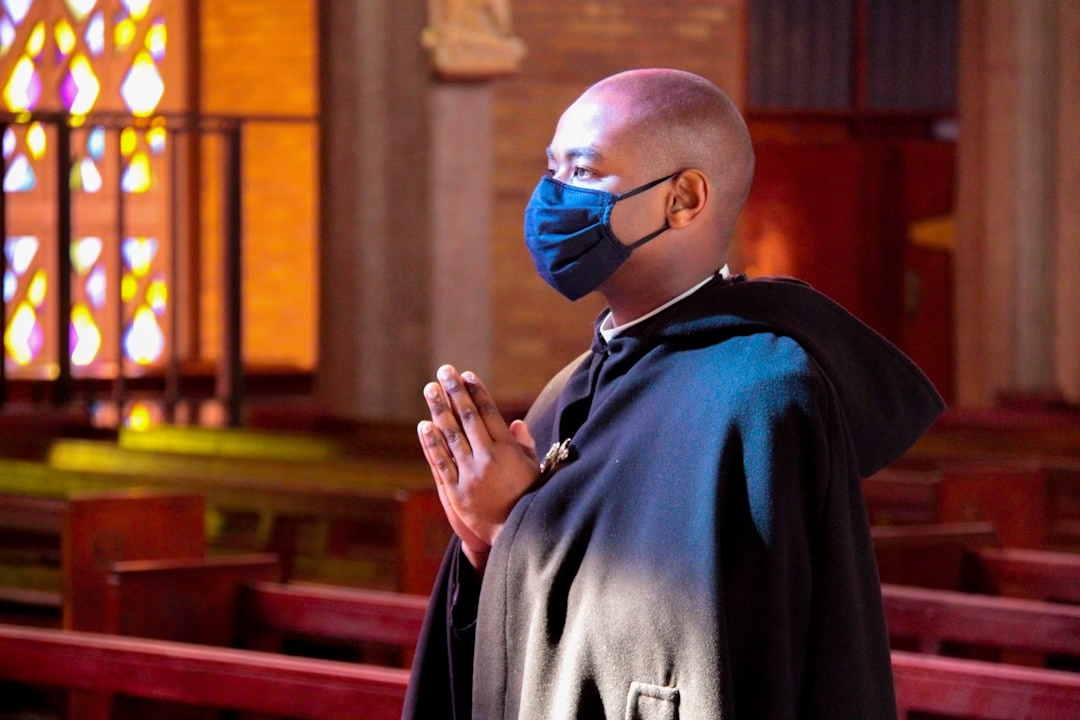
Additionally, incorporate a brief check of your equipment into your pre-prayer routine. Look for any cracks in the hose or mask frame. This habit ensures reliability and aligns with Health Authority Abu Dhabi regulations on patient self-care and device maintenance.
CPAP Mask Prayer Positions Advantages
The advantages of perfecting your CPAP mask prayer positions are multifaceted. Most importantly, it guarantees therapeutic continuity, protecting your cardiovascular and neurological health from the effects of untreated apnea. It also empowers you to maintain your religious obligations without exception, strengthening spiritual discipline.
From a practical standpoint, it builds confidence in using your CPAP in various situations, promoting overall therapy adherence. This skill can extend to other activities, like reading or watching television in bed. Socially, it reduces any feeling of limitation imposed by your medical condition, fostering a positive mindset towards treatment.
Ultimately, achieving this integration represents a successful patient-centered care outcome. It reflects the principles embedded in UAE government healthcare regulations, which emphasize accessibility and respect for individual lifestyle and cultural practices within medical treatment plans.
Common Questions and Practical Solutions
Many users have specific questions. A common one is: “What if my mask leaks during prostration?” The solution often involves mask selection and technique. Try a nasal pillow mask, which has less contact with the forehead and cheeks. Alternatively, use a prayer rug with extra padding to reduce the angle of descent.
Another question concerns noise. Modern CPAPs are very quiet, but if the sound is distracting during prayer, focus on the sound of your own breathing or recitation. For hose management, a wearable hose holder or clipping the hose to your clothing at the shoulder can provide stability. Remember, practice during non-prayer times is the best way to troubleshoot.
Finally, users often ask about traveling. A compact device like the AirMini is ideal for maintaining your routine anywhere. For more personalized solutions, you can always contact our respiratory specialists for advice tailored to your specific mask and prayer habits.
Expert Recommendations for Long-Term Success
For long-term success, experts recommend a proactive approach. First, schedule a mask fitting consultation with a professional. A mask that fits perfectly in a clinical sitting may behave differently during prayer movements. Second, consider using CPAP equipment with advanced data tracking. Reviewing leak rate data can help you and your specialist identify patterns related to prayer times.
Furthermore, be patient with yourself. Adaptation takes time. Start by practicing your prayer movements with the CPAP on outside of the five daily prayer times. Gradually, it will become second nature. Also, engage with support communities, either locally or online, to share experiences and tips with others navigating the same journey.
Investing in high-quality, durable equipment from reputable providers is paramount. Reliable equipment minimizes technical failures that could disrupt your practice. By following these expert recommendations, you secure both your health and your spiritual practice for years to come.
Frequently Asked Questions (FAQ)
Q1: Can I perform Wudu with my CPAP mask on?
A: It is easier to perform Wudu before donning your mask. If you need to refresh, you can carefully remove the mask, ensuring the machine is temporarily paused or disconnected.
Q2: Will bending over break the CPAP mask seal?
A: It can, if done abruptly. However, using a stable headgear and moving slowly minimizes this risk. Masks with a forehead support are often more stable during bending.
Q3: Are certain CPAP masks better for prayer positions?
A: Yes. Nasal pillow masks or hybrid masks like the AirFit F30i are often recommended due to their minimal frame and stable design during movement.
Q4: How do I manage the long CPAP hose during Salah?
A: Route the hose over your head using a bedpost, hook, or headboard. Alternatively, use a mask with a top tube connection to keep the hose out of the way.
Q5: What is the best way to learn CPAP mask prayer positions?
A: Practice outside of prayer times. Perform the movements slowly in front of a mirror to see how your mask reacts and adjust your technique accordingly.
Q6: Should I adjust my CPAP pressure settings for prayer?
A> No. You should never adjust clinical pressure settings yourself. If leaks are persistent, the solution lies in mask fit, technique, or equipment, not pressure changes. Consult your doctor or our specialists for guidance.
Conclusion
In conclusion, integrating CPAP therapy with Islamic prayer is not only possible but highly beneficial for comprehensive well-being. By understanding the challenges and applying practical solutions for CPAP mask prayer positions, you can maintain an effective seal throughout all movements of Salah. This commitment ensures the full therapeutic benefits of your sleep apnea treatment while honoring your spiritual commitments.
The key lies in choosing the right equipment, practicing the movements, and establishing a consistent routine. With the advanced respiratory equipment and products available today, designed for active lifestyles, you have the tools to succeed. Remember, your health journey is unique, and seeking professional support is a sign of strength and wisdom.
We encourage you to explore the solutions discussed and reach out for personalized advice. By taking these steps, you move towards a life where health and faith support and enhance one another, allowing you to live fully and peacefully.