

CPAP Humidifiers Heated vs Passover – Complete Guide
Looking for sleep apnea solutions? Understanding CPAP humidifiers heated vs passover is crucial for effective therapy. Moreover, these devices add moisture to pressurized air, preventing nasal dryness and irritation. Consequently, this significantly improves therapy compliance and comfort. In the UAE’s arid climate, proper humidification is not a luxury but a necessity for successful sleep apnea management. At Oxydubai, trusted by 10,000+ UAE patients with premium respiratory equipment and products, we provide expert guidance. Therefore, choosing the right humidifier type can transform your sleep therapy experience.
Heated humidifiers actively warm water to add vapor to the air. Conversely, passover humidifiers rely on room air to passively absorb moisture. Each system offers distinct advantages depending on individual needs and environmental conditions. For instance, heated models are often preferred in very dry environments. Meanwhile, passover units offer simplicity and ease of use. This guide will explore both technologies in detail. Ultimately, we will help you make an informed decision for your respiratory health.
Need Respiratory Solutions?
Understanding CPAP Humidifiers Heated vs Passover
The core difference in CPAP humidifiers heated vs passover lies in their moisture delivery mechanism. Firstly, heated humidifiers use a heated plate to warm a water chamber. This process creates warm, moist air that travels to the mask. As a result, it soothes airways and reduces rainout condensation in the tube. Many advanced CPAP machines, like the Philips Respironics DreamStation Auto CPAP, integrate sophisticated heated humidification.
Alternatively, passover humidifiers use a simple chamber of water at room temperature. The CPAP airflow passes over the water’s surface, picking up moisture. However, this method adds less humidity than heated systems. Consequently, it is often sufficient for milder climates or users sensitive to warmth. Understanding this fundamental distinction is the first step. Following that, you can assess which aligns with your therapeutic needs and local conditions, as outlined in World Health Organization respiratory health guidelines.
Benefits of CPAP Humidification Systems
Using a humidifier with your CPAP therapy offers multiple health benefits. Primarily, it prevents nasal, mouth, and throat dryness caused by constant airflow. This reduction in irritation leads to fewer morning headaches and nosebleeds. Furthermore, enhanced comfort dramatically improves therapy adherence. Patients are more likely to use their CPAP machine consistently throughout the night.
Additionally, proper humidification can reduce congestion and make breathing feel more natural. For users in air-conditioned environments common in the UAE, this is particularly valuable. It also helps maintain the integrity of the nasal passages. Therefore, the respiratory system stays healthier long-term. Compatible systems are available for various devices, including the Philips DreamStation Auto BiPAP machine. Adhering to UAE Ministry of Health medical standards ensures you select a medically approved device.
CPAP Humidifiers Heated vs Passover Features
When comparing CPAP humidifiers heated vs passover, key features define their operation. Heated models typically include adjustable temperature settings. Users can fine-tune humidity levels for personal comfort and to combat seasonal dryness. Many feature automatic climate control that adjusts based on room conditions. For example, integrated systems in machines like the BMC Resmart G2S A20 Auto CPAP machine offer such smart features.
In contrast, passover humidifiers boast simplicity and reliability. They have no heating element, so they consume less power and are often lighter. Their operation is virtually silent, with no moving parts to fail. Cleaning is generally more straightforward due to the lack of mineral scale from heating. However, their output is directly influenced by ambient room temperature and humidity. This makes them less consistent in varying climates without manual adjustment.
Expert Medical Advice?
Humidifier Technical Specifications
Technical specs are vital for choosing the right humidifier. Heated humidifiers specify water chamber capacity, often 300-500ml, and heating plate wattage. They also list humidity output in milligrams per liter (mg/L). Look for units with ramp features that start lower and increase. Compatibility with your specific CPAP or BiPAP model, such as the Philips DreamStation BiPAP ST machine, is essential.
Passover humidifier specs focus on chamber design and airflow resistance. A good design maximizes the air-water contact surface. Importantly, it should add minimal backpressure to the CPAP motor. Materials should be medical-grade, BPA-free plastic. Additionally, check for easy-fill designs and clear water level indicators. Always ensure devices meet Dubai Health Authority healthcare guidelines for safety and efficacy.
Setup and Maintenance Guide
Proper setup ensures your humidifier functions effectively and safely. First, always use distilled water to prevent mineral buildup and bacterial growth. For heated humidifiers, connect the chamber securely and set your preferred temperature. Start with a moderate setting and adjust based on comfort. Ensure the device is on a stable, level surface below the machine to prevent water backflow.
Daily maintenance is straightforward but critical. Empty any unused water each morning. Then, rinse the chamber with warm, soapy water and air-dry it completely. Weekly, disinfect the chamber with a vinegar solution or manufacturer-approved cleaner. Regularly inspect seals and connections for wear. Similarly, for your entire therapy system, including masks like the ResMed AirFit F30i full face mask, consistent cleaning is key. This aligns with general UAE government healthcare regulations for medical device hygiene.
CPAP Humidifiers Heated vs Passover Advantages
Analyzing the advantages of CPAP humidifiers heated vs passover clarifies the best choice. Heated humidifiers provide superior moisture output, which is ideal for very dry climates or users with severe dryness. They offer customizable comfort and can help reduce rainout with heated tubes. Consequently, they are often recommended for first-time users in regions like the UAE to maximize initial comfort and adherence.
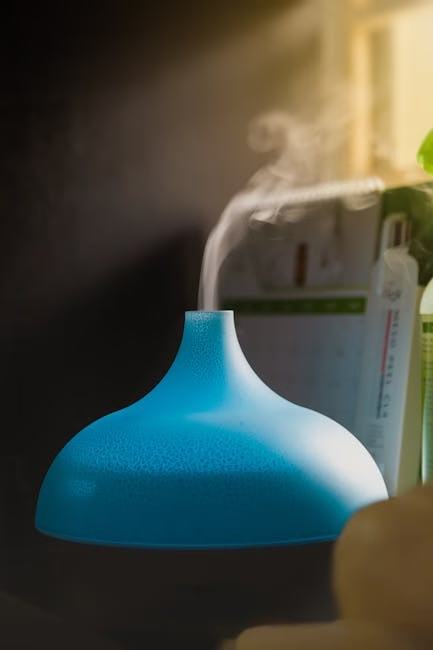
Conversely, passover humidifiers excel in simplicity and portability. They are perfect for travel, as they are lightweight and don’t require a power source for heating. They have fewer parts to break and are generally more affordable. For patients using supplemental oxygen with a device like the Inogen One G5 portable oxygen concentrator, a passover humidifier can be a less complicated addition. Their operation is also compliant with Health Authority Abu Dhabi regulations for medical devices.
Common CPAP Humidifier Questions
Users often have questions about humidifier use and troubleshooting. A frequent issue is “rainout,” where condensation forms in the air tube. Using a heated tube or insulating sleeve usually solves this. Another common question is about refilling water during the night. Choosing a model with a larger chamber capacity can prevent mid-sleep interruptions.
Many also ask about the safety of leaving water in the chamber. It is not recommended, as stagnant water promotes microbial growth. Noise from bubbling is another concern, often fixed by checking water levels and chamber seals. For complex devices like the BMC BPAP G2S B25VT/B30VT ventilator, always consult the manual or a specialist. Finally, for any persistent issues, contact our respiratory specialists for personalized support.
Expert Recommendations for UAE Users
For residents in the UAE, the climate heavily influences the recommendation. Given the prevalent air conditioning and low humidity, a heated humidifier is often the default choice. It provides the necessary moisture to counteract the extremely dry indoor air. Starting with auto-adjusting models can simplify the process for new users.
However, for travel or for users who naturally prefer cooler air, a passover system is a viable option. The key is to monitor comfort and symptoms closely. Trial periods with different setups can be beneficial. Ultimately, the best humidifier is the one you will use consistently. Partnering with a provider like Oxydubai ensures access to both types and professional fitting advice for optimal therapy outcomes.
Frequently Asked Questions
Which is better for a dry climate: heated or passover CPAP humidifiers? For dry climates like the UAE, heated humidifiers are generally better. They add more moisture and allow for temperature adjustment.
Can I use tap water in my CPAP humidifier? No. Always use distilled or demineralized water to prevent scaling and bacterial growth.
How often should I clean my humidifier chamber? Clean it daily with mild soap and water. Perform a deeper disinfecting wash weekly.
Does a humidifier make my CPAP machine less portable? It can add bulk. However, many modern machines have integrated, travel-friendly humidifiers.
What are the main differences in CPAP humidifiers heated vs passover? Heated models warm water for more moisture; passover models use room-temperature water for simpler, cooler vapor.
Is a prescription needed for a CPAP humidifier? Typically, yes. They are part of prescribed sleep apnea therapy equipment.
Conclusion
Choosing between heated and passover humidifiers is a significant decision in sleep therapy. Understanding the principles of CPAP humidifiers heated vs passover empowers you to prioritize your comfort and health. In the UAE’s unique environment, a heated humidifier often provides the necessary relief. However, personal preference and lifestyle also play crucial roles.
Therefore, consider your specific needs, consult with healthcare professionals, and choose high-quality equipment. At Oxydubai, we are committed to supporting your respiratory wellness journey with reliable products and expert advice. Explore our range and take the next step towards restful, comfortable sleep tonight.
Ready to find your ideal solution? Browse our curated selection of respiratory equipment and products or contact our respiratory specialists for a personalized consultation.