

CPAP During Anesthesia: Inform Your Surgeon – Complete Guide
Looking for sleep apnea solutions? Understanding the critical role of CPAP during anesthesia is vital for anyone with sleep apnea undergoing surgery. This medical protocol ensures airway stability and oxygenation while you are under sedation. Consequently, it significantly reduces perioperative risks. In the UAE’s advanced healthcare landscape, from Dubai to Abu Dhabi, clear communication between patient and surgical team is a cornerstone of safety.
Managing respiratory conditions in the UAE requires access to reliable technology and expert guidance. At Oxydubai, trusted by 10,000+ UAE patients, we provide premium respiratory equipment and products to support your journey, from pre-surgical preparation to post-operative recovery. Therefore, this guide explains why disclosing your CPAP use is non-negotiable.
Need Respiratory Solutions?
Understanding CPAP During Anesthesia
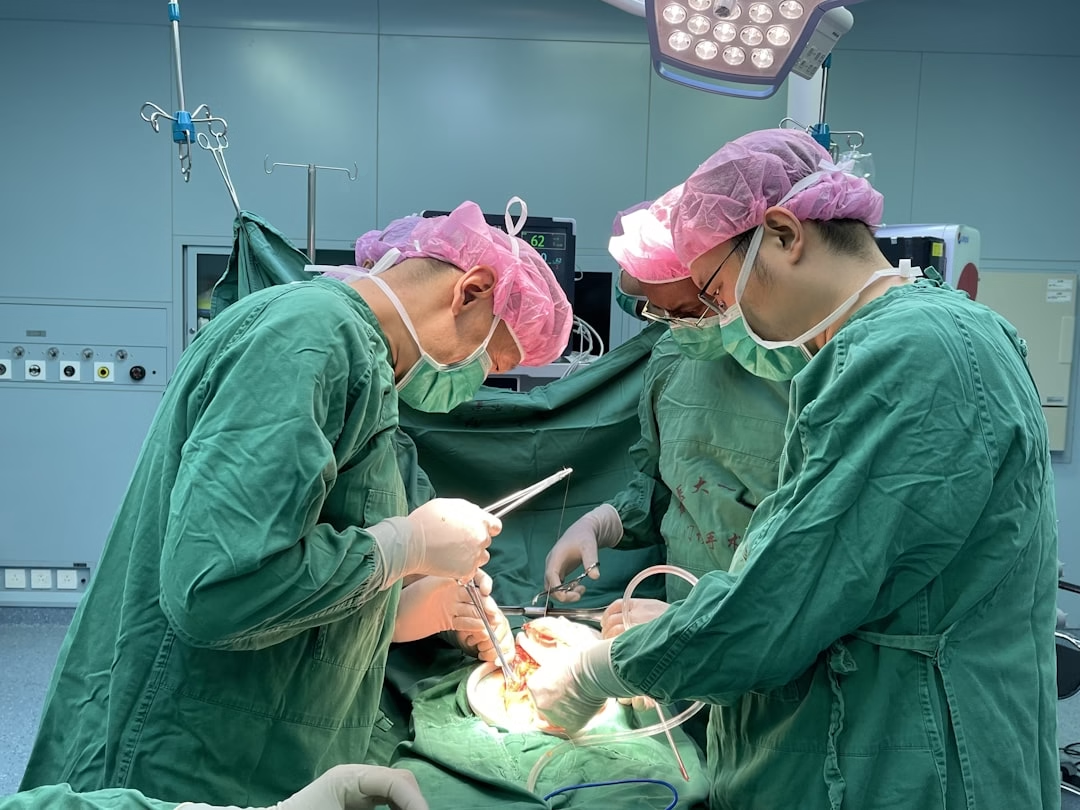
The use of CPAP during anesthesia is a specialized practice. Essentially, it involves applying continuous positive airway pressure to a sedated patient. This mimics the therapy used at home for sleep apnea. During surgery, anesthesia and muscle relaxants can collapse the airway. As a result, CPAP maintains an open passage for oxygen to reach the lungs.
In Dubai, surgical teams follow stringent Dubai Health Authority healthcare guidelines. These protocols mandate preoperative screening for obstructive sleep apnea (OSA). Therefore, informing your surgeon allows them to tailor the anesthetic plan. They may use a hospital ventilator with CPAP modes or bring your own device, like the ResMed AirSense 11 CPAP machine, into the operating room. Ultimately, this proactive approach is a key patient safety standard.
Benefits of Perioperative CPAP Therapy
Using CPAP in the surgical setting offers profound advantages. Primarily, it prevents dangerous oxygen desaturation. During induction and emergence from anesthesia, airways are most vulnerable. Furthermore, it reduces the risk of post-operative pulmonary complications, such as atelectasis. This is a common condition where lung tissue collapses.
Another significant benefit is smoother recovery. Patients using CPAP during anesthesia often experience less post-operative confusion and fatigue. Additionally, it helps manage pre-existing conditions seamlessly. For instance, it supports patients who rely on devices like the Inogen One G5 portable oxygen concentrator. Adherence to World Health Organization respiratory health guidelines on perioperative care underscores these practices globally and in the UAE.
CPAP During Anesthesia Features
Specific features make CPAP during anesthesia effective and safe. Modern anesthesia machines integrate advanced CPAP modes. These provide precise pressure control and monitoring. Importantly, they include alarms for disconnection or pressure loss. Also, heated humidification is often used to protect airway mucosa during lengthy procedures.
For patients using travel devices, features like compact size and battery power are crucial. For example, the ResMed AirMini compact CPAP is designed for portability. However, its use in surgery requires prior approval from the anesthesiologist. Compatibility with hospital circuits and filters must be verified. Always consult with your surgical team and contact our respiratory specialists for device compatibility checks before any procedure.
Anesthesia CPAP Specifications
Hospital-grade systems for this purpose have rigorous specifications. Typically, they deliver a pressure range of 4 to 20 cm H2O. Moreover, they offer detailed data logging for the medical record. These systems are calibrated to work seamlessly with other monitoring equipment. This includes capnography, which measures exhaled carbon dioxide.
For more complex cases, such as patients with respiratory failure, a device like the ResMed Astral 150 ventilator may be used. It offers versatile non-invasive ventilation modes alongside CPAP. Compliance with UAE Ministry of Health medical standards ensures all equipment meets high safety benchmarks. Consequently, patients can trust the technology supporting their care.
Expert Medical Advice?
Setup and Maintenance for Surgical CPAP
Proper setup is fundamental for safety. First, the anesthesiology team will select the appropriate interface. This could be a full-face mask, like the ResMed AirFit F30i mask, or nasal pillows. Then, they connect it to the machine using a single-use, sterile circuit. After that, they set the prescribed pressure and enable humidification if needed.
Maintenance protocols are equally strict. Hospital biomedical teams regularly service anesthesia machines. However, if using a personal device, you must ensure it is clean and recently serviced. Providing your surgeon with a copy of your device’s compliance data can be helpful. Following Health Authority Abu Dhabi regulations on medical device safety, regular maintenance is not just recommended; it is often a regulatory requirement for safe use in a clinical setting.
CPAP During Anesthesia Advantages
The advantages of using CPAP during anesthesia extend beyond the operating room. Most importantly, it significantly lowers cardiovascular stress during surgery. By maintaining optimal oxygenation, it protects the heart and brain. Subsequently, it leads to fewer unplanned ICU admissions and shorter hospital stays.
Another key advantage is continuity of care. Patients can often use their own familiar settings, reducing physiological stress. This seamless integration from home to hospital and back is a hallmark of patient-centered care in the UAE. It aligns with broader UAE government healthcare regulations aimed at improving surgical outcomes and patient satisfaction across the Emirates.
Common Questions on Anesthesia CPAP
Patients often have concerns about this process. A frequent question is, “Can I use my own CPAP machine?” Usually, yes, but the hospital must inspect it first. Another common query involves mask compatibility. The anesthesia team typically prefers a full-face mask to ensure a secure seal.
People also ask about post-operative use. Importantly, you should plan to use your CPAP immediately after surgery, even while napping. This prevents complications as anesthesia medications linger. For travel after surgery, a compact device from our range of respiratory equipment and products can be invaluable. Always clarify these details during your pre-surgical assessment.
Expert Recommendations for Safe Surgery
Medical experts offer clear recommendations for patients with sleep apnea. First, disclose your sleep apnea diagnosis and CPAP use during your very first surgical consultation. Second, bring your CPAP machine to the hospital on the day of surgery. Third, provide your prescribed pressure settings to the anesthesia team.
Furthermore, experts advise a post-operative follow-up with your sleep specialist. This ensures your therapy remains effective after the physical stress of surgery. For those needing to upgrade or acquire a suitable device, exploring options like the ResMed AirSense 11 CPAP machine is a wise step. Proactive management is the surest path to a safe and successful surgical experience in Dubai.
Frequently Asked Questions (FAQ)
Q1: Why is it so important to tell my surgeon I use CPAP?
A: It allows them to plan for airway management during anesthesia, drastically reducing your risk of breathing complications.
Q2: Will the anesthesiologist use my own CPAP machine?
A: Often, yes. However, they may prefer a hospital system. You must bring yours for use in the recovery room regardless.
Q3: Is CPAP during anesthesia different from my home therapy?
A: The principle is identical. However, the machine may be a hospital ventilator with integrated monitoring for greater safety.
Q4: What if I have surgery and forgot to mention my CPAP use?
A: Inform the nursing and anesthesia staff immediately upon arrival at the hospital. It is never too late to disclose this critical information.
Q5: Are there specific protocols for CPAP during anesthesia in Dubai?
A: Yes. Hospitals follow DHA guidelines which mandate preoperative screening and management of sleep apnea.
Q6: Can I use a portable oxygen concentrator instead of CPAP during surgery?
A: No. An oxygen concentrator only enriches air with oxygen. It does not provide the positive pressure needed to stent open a collapsed airway, which is the core function of CPAP during anesthesia. For portable oxygen needs outside surgery, consider the Inogen One G5.
Conclusion
In summary, transparent communication about your CPAP use is a critical component of surgical safety. The practice of using CPAP during anesthesia is a well-established standard of care that protects patients with sleep apnea. It leverages technology to ensure stable breathing when you are most vulnerable.
For residents in Dubai and across the UAE, partnering with a knowledgeable provider ensures you have the right equipment and information. At Oxydubai, we support this journey with premium devices and expert advice. Therefore, before your next procedure, have the conversation, bring your device, and prioritize your respiratory safety. For personalized guidance, contact our respiratory specialists today.

