

CPAP Dental Side Effects Guide – Dubai Dentist Collaboration
Looking for sleep apnea solutions? Continuous Positive Airway Pressure (CPAP) therapy is a life-changing treatment for obstructive sleep apnea (OSA). However, many patients experience unexpected oral health challenges. Consequently, understanding CPAP dental side effects is crucial for long-term therapy success. In the UAE’s unique climate, where dry air can exacerbate issues, a proactive approach is essential.
Fortunately, collaboration between respiratory specialists and dental professionals in Dubai is creating new standards for integrated care. This guide explores common oral complications, prevention strategies, and expert recommendations. At Oxydubai, trusted by 10,000+ UAE patients, we provide premium respiratory equipment and products and emphasize holistic patient education.
Need Respiratory Solutions?
Understanding CPAP Dental Side Effects
CPAP dental side effects are oral health issues linked to prolonged CPAP use. The constant airflow, while keeping airways open, can significantly alter the oral environment. Primarily, common problems include xerostomia (dry mouth), gingival inflammation, and tooth decay. Additionally, mask pressure can cause temporomandibular joint (TMJ) discomfort or dental crown displacement.
In Dubai, the arid climate naturally reduces saliva production. Therefore, CPAP therapy can intensify mucosal dryness. Saliva is vital for neutralizing acids and remineralizing enamel. Without it, the risk of cavities and gum disease rises sharply. Furthermore, ill-fitting masks may force the jaw into a retruded position, potentially leading to bite changes over time. For instance, using a well-fitted mask like the ResMed AirFit F30i mask can minimize pressure points.
Collaboration with a dentist familiar with sleep medicine is key. They can monitor for early signs of bruxism (teeth grinding) or periodontal issues exacerbated by CPAP. The Dubai Health Authority healthcare guidelines support such multidisciplinary care models for chronic conditions.
Benefits of Collaborative Oral Care
Integrating dental check-ups into your CPAP therapy plan offers immense benefits. First, it prevents minor issues from becoming major dental procedures. Regular monitoring can catch dry mouth effects before enamel erosion occurs. Second, a dentist can fabricate custom oral appliances. These devices protect teeth from grinding and may improve CPAP mask seal.
Moreover, dentists can recommend specific products like high-fluoride toothpaste or saliva substitutes. This is particularly useful for UAE residents experiencing compounded dryness. A collaborative approach ensures your therapy supports overall health, not just sleep apnea management. For example, addressing nasal congestion with your doctor can reduce mouth breathing, a major contributor to dry mouth.
This synergy between disciplines aligns with UAE Ministry of Health medical standards promoting comprehensive patient care. Using advanced devices like the ResMed AirSense 11 CPAP machine with integrated humidification can be part of this solution.
CPAP Dental Side Effects Features
Recognizing the specific features of CPAP dental side effects aids in early identification. The primary feature is persistent oral dryness upon waking. You might also notice increased tooth sensitivity, especially to cold drinks. Another key feature is gingival bleeding or redness along the gumline, indicating inflammation.
Additionally, some patients report a feeling of tooth looseness or pressure on specific teeth. This is often related to mask fit or nocturnal clenching. Morning jaw pain or clicking sounds are features of potential TMJ strain. Importantly, these features can develop gradually, so regular dental visits are essential for CPAP users in Dubai.
Understanding these features allows for timely intervention. For instance, a heated tube on your CPAP machine can enhance humidification, directly combating dry mouth. The World Health Organization respiratory health guidelines emphasize managing treatment side effects to improve adherence.
Oral Health Specifications
To mitigate side effects, specific oral care specifications become necessary for CPAP users. Use a toothpaste with high fluoride content or hydroxyapatite to strengthen enamel. Consider a alcohol-free, moisturizing mouthwash designed for dry mouth. Furthermore, invest in a high-quality humidifier integrated with your CPAP system.
Your dental specifications should include biannual professional cleanings and fluoride varnish applications. Dentists may also recommend a custom-fit night guard to protect against bruxism. These specifications form a protective barrier against the mechanical and environmental challenges of CPAP therapy.
Adhering to these specifications is as important as choosing the right equipment. For patients requiring supplemental oxygen, combining therapy with a reliable device like the Inogen One G5 portable oxygen concentrator requires similar holistic planning. Compliance with Health Authority Abu Dhabi regulations ensures all medical devices and recommendations meet stringent safety standards.
Expert Medical Advice?
Setup & Maintenance for Prevention
Correct CPAP setup and maintenance are your first defense against dental side effects. Always use the integrated heated humidifier; set it to auto or a comfortable level to maximize moisture. Clean your mask, tube, and water chamber daily to prevent bacterial growth that could affect oral and respiratory health.
Ensure your mask fit is snug but not overly tight. A dental consultation can help here; dentists can spot pressure marks indicative of a poor fit. Regularly replace consumables like filters and mask cushions as per manufacturer guidelines. This maintains optimal airflow and hygiene.
For travelers or those seeking simplicity, the ResMed AirMini compact CPAP offers advanced humidification technology in a portable format. Proper maintenance, as outlined in UAE government healthcare regulations for medical devices, ensures both efficacy and safety.
CPAP Dental Side Effects Advantages
Proactively managing CPAP dental side effects presents several advantages. The foremost advantage is preserving your natural teeth and gum health long-term. This avoids painful and costly dental procedures. Another significant advantage is improved CPAP compliance; a comfortable mouth makes therapy more tolerable.
Furthermore, addressing side effects enhances overall sleep quality and systemic health. Poor oral health is linked to cardiovascular issues; thus, management offers broader health advantages. It also empowers you with knowledge, turning a potential drawback into a manageable aspect of your routine.
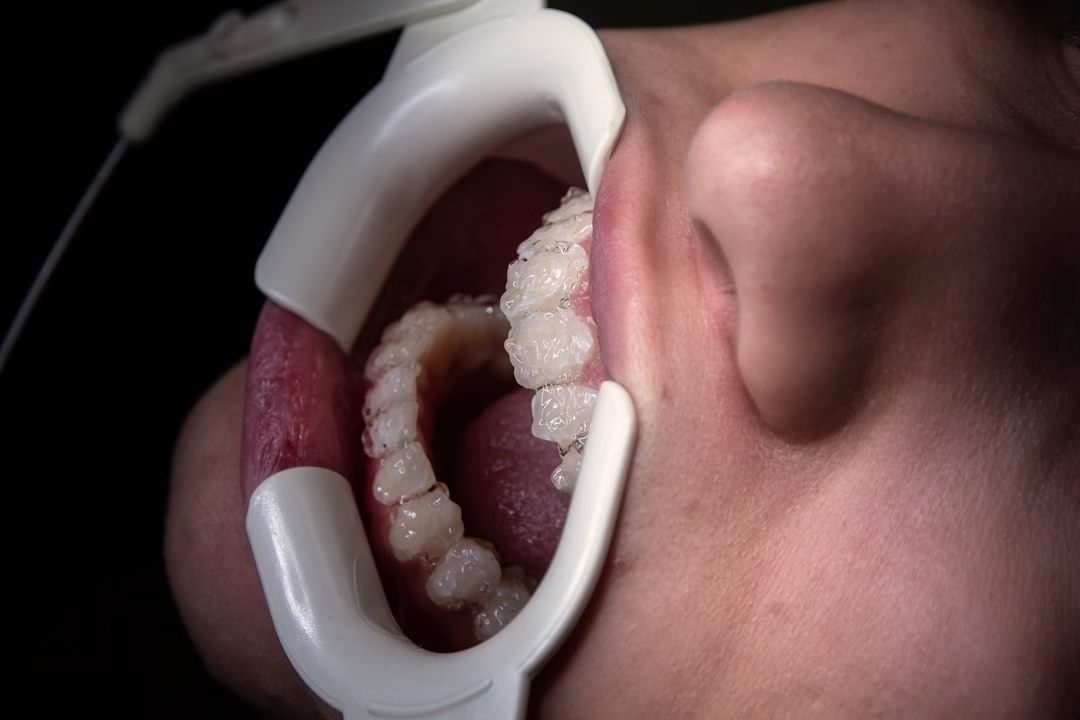
This proactive management aligns with the advantages of using top-tier equipment. For example, modern ventilators like the ResMed Astral 150 ventilator offer precise pressure and humidity control, reducing side effect risks from the outset.
Common Questions on Oral Health
Patients often have questions about managing oral health with CPAP. A frequent question is, “Can CPAP cause cavities?” Yes, due to dry mouth reducing saliva’s protective effects. Another common question involves finding the right mask to avoid jaw pain. Full-face masks or nasal pillows distribute pressure differently and may be alternatives.
Many ask if they should see a dentist more often. Absolutely, every 4-6 months is recommended for active CPAP users. Others wonder about mouth taping; this should only be done under professional guidance to ensure safe nasal breathing. Finally, questions about specific products are best directed to both your sleep therapist and dentist.
For personalized answers regarding your equipment and its settings, you can always contact our respiratory specialists. They can coordinate with your dental professional for a unified care plan.
Expert Recommendations for UAE Patients
Dubai-based experts offer specific recommendations for the local context. First, prioritize humidity control both in your CPAP and your bedroom. Using a room humidifier can provide additional support. Second, stay exceptionally hydrated throughout the day, not just at night. The dry UAE climate demands higher fluid intake.
Schedule a dental appointment shortly after starting CPAP to establish a baseline. Choose a dentist experienced in sleep-related dental issues. Also, consider a dental cleaning schedule aligned with your CPAP filter changes, creating a consistent health routine. Finally, never ignore new oral symptoms; report them to both your doctor and dentist promptly.
Following these recommendations ensures you reap the full benefits of your therapy. It represents the modern standard of care supported by UAE health authorities and provided by leading suppliers like Oxydubai.
Frequently Asked Questions (FAQ)
Q1: What is the most common CPAP dental side effect?
A: Dry mouth (xerostomia) is by far the most common issue, caused by mouth breathing or air leakage.
Q2: How can I prevent dry mouth while using my CPAP?
A: Use a full-face mask if you breathe through your mouth, ensure your humidifier is on and correctly filled, and consider a chin strap to keep your mouth closed.
Q3: Can CPAP therapy change my bite?
A: In some cases, prolonged pressure from certain masks can contribute to dental shifts. Regular dental check-ups can monitor this.
Q4: Should I use a special toothpaste as a CPAP user?
A: Yes, dentists often recommend toothpaste with high fluoride or remineralizing agents to combat increased cavity risk.
Q5: How does collaboration between my sleep doctor and dentist help manage CPAP dental side effects?
A: This collaboration allows for shared information. Your dentist can alert your sleep doctor to fit issues, and your doctor can adjust pressures or recommend masks like the ResMed AirFit F30i to reduce oral impact.
Q6: Are CPAP dental side effects reversible?
A: Most early-stage effects like gingivitis and dry mouth are reversible with proper intervention, highlighting the need for prompt action.
Conclusion
In conclusion, managing CPAP dental side effects is a critical component of successful sleep apnea therapy. Awareness and proactive care can prevent significant oral health complications. The collaborative model between respiratory specialists and dentists in Dubai provides an ideal framework for this. Ultimately, your CPAP machine is a tool for better health, and protecting your smile ensures holistic wellbeing.
By integrating regular dental visits with optimized CPAP equipment use, you ensure therapy sustainability. For support in choosing the right equipment, from machines to masks, explore our range of respiratory equipment and products. Remember, addressing CPAP dental side effects effectively enhances your quality of life and secures the long-term benefits of your treatment.

