

CPAP Data Privacy Guide – ResMed Security
Looking for sleep apnea solutions? Understanding CPAP data privacy is crucial for modern sleep therapy. Connected CPAP machines collect vital health information to optimize your treatment. Consequently, protecting this sensitive data is a top priority for manufacturers and healthcare providers. In the UAE, where digital health adoption is high, patients rightly demand robust security for their medical information.
Modern devices, like the ResMed AirSense 11 CPAP machine, transmit sleep data to the cloud for analysis. This process enables remote monitoring by your doctor. However, it also raises important questions about data ownership and protection. Fortunately, leading companies implement stringent security protocols.
At Oxydubai, trusted by 10,000+ UAE patients, we provide premium respiratory equipment and products. We prioritize educating our clients on both device functionality and data safety. Understanding these policies ensures you can use your therapy device with confidence and peace of mind.
Need Respiratory Solutions?
Understanding CPAP Data Privacy
CPAP data privacy refers to the policies protecting your sleep therapy information. Connected devices collect data on usage hours, apnea events, and mask fit. This information is then sent to secure cloud servers. ResMed and other manufacturers use encryption during transmission and storage. Therefore, your personal health information remains confidential.
In the UAE, this practice aligns with strict UAE government healthcare regulations. Data is typically anonymized for large-scale research. However, your identifiable data is shared only with your consent. You control who accesses your sleep reports. For instance, you can grant access to your physician via platforms like AirView.
It’s important to review the privacy policy of your device manufacturer. Look for clear statements on data collection, use, and sharing. Reputable companies are transparent about their security measures. They often undergo independent audits to verify compliance. Ultimately, strong CPAP data privacy builds trust in digital health solutions.
Benefits of Secure Sleep Data
Secure data transmission offers significant advantages for sleep apnea management. First, it enables personalized therapy adjustments. Your doctor can review trends and optimize pressure settings remotely. This leads to more effective treatment and better health outcomes. Furthermore, it reduces the need for frequent in-person clinic visits.
Data security also supports compliance monitoring. Therapists can see if you are using your ResMed AirMini compact CPAP consistently. They can then provide supportive coaching. Additionally, aggregated, anonymized data helps improve future device designs. Researchers use it to understand sleep apnea patterns better.
For the patient, the main benefit is peace of mind. Knowing your sensitive health data is protected allows you to focus on therapy. Secure cloud systems also prevent data loss. Your sleep history is safely backed up. This creates a continuous record that is invaluable for long-term care.
CPAP Data Privacy Features
ResMed incorporates multiple layers of security to ensure CPAP data privacy. Their systems use end-to-end encryption. This means data is scrambled from your device to the cloud. Even if intercepted, it cannot be read. They also employ secure user authentication. Only authorized individuals can access the clinical portal.
Another key feature is data minimization. Devices collect only the information necessary for therapy management. Moreover, patients can often control data sharing preferences. You can choose what information is shared with your care team. ResMed’s platforms comply with global standards like HIPAA and GDPR, which influence Dubai Health Authority healthcare guidelines.
Regular security updates are vital. ResMed releases firmware updates to patch potential vulnerabilities. Similarly, their cloud infrastructure is constantly monitored for threats. These proactive measures form a robust defense. They ensure your sleep data remains private and secure from emerging cyber risks.
Cloud Security Specifications
The technical specifications behind cloud security are complex yet essential. Data centers use advanced firewalls and intrusion detection systems. They are often certified to international standards like ISO 27001. Additionally, access is logged and audited. This creates a traceable record of who viewed your data and when.
Data is stored in encrypted form on redundant servers. This prevents loss from hardware failure. Furthermore, regular penetration testing is conducted. Ethical hackers try to breach the system to find weaknesses. These tests help strengthen defenses continuously. The World Health Organization respiratory health guidelines emphasize such robust digital health frameworks.
For devices like the Inogen One G5 portable oxygen concentrator with connectivity, similar principles apply. The specifications ensure that device usage data, while helpful for maintenance, is transmitted securely. Understanding these specs helps users trust the technology managing their respiratory health.
Expert Medical Advice?
Setup & Maintenance for Security
Proper setup is the first step in ensuring CPAP data privacy. During initial configuration, create a strong, unique password for any associated app or patient portal. Avoid using personal information like your birthdate. Also, ensure your home Wi-Fi network is secure. A protected network adds an extra layer of defense for data transmission.
Regular maintenance includes installing device updates promptly. These updates often contain critical security patches. Similarly, review your account sharing settings periodically. Make sure only current healthcare providers have access. If you change doctors, update these permissions accordingly. For equipment like the ResMed AirFit F30i mask, while it doesn’t transmit data, keeping its SD card (if present) secure is good practice.
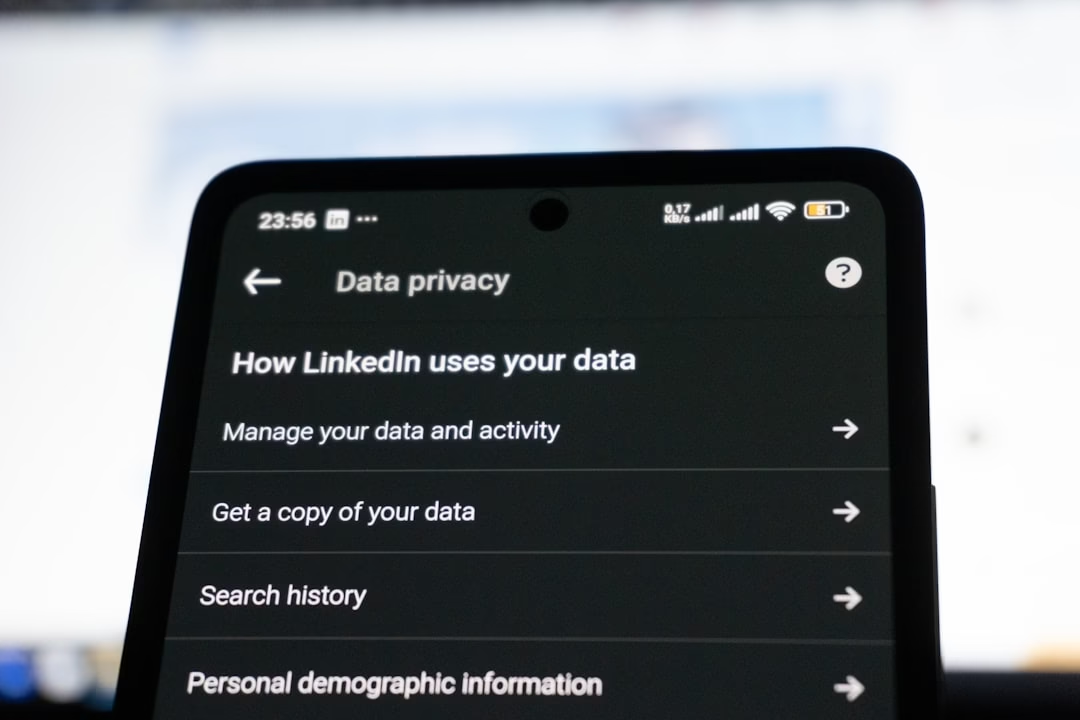
Finally, be aware of phishing attempts. Legitimate companies will not email you asking for your password. Report any suspicious communication. By taking these simple steps, you actively participate in safeguarding your own CPAP data privacy. This collaborative approach between user and manufacturer creates the strongest security posture.
CPAP Data Privacy Advantages
The advantages of robust CPAP data privacy are extensive. Primarily, it protects your personal health information from misuse. This prevents medical identity theft and insurance discrimination. Furthermore, it encourages higher device usage. Patients who trust the system are more likely to use their therapy consistently, leading to better treatment outcomes.
For healthcare systems, secure data enables efficient telemedicine. Doctors can manage more patients effectively. This is especially relevant in the UAE, adhering to UAE Ministry of Health medical standards. It also facilitates faster troubleshooting. If an issue arises with a device like the ResMed Astral 150 ventilator, data can help diagnose it remotely.
Ultimately, strong privacy practices build the foundation for innovation. With public trust, more advanced connected health features can be developed. Patients benefit from smarter, more responsive therapy devices. Therefore, investing in CPAP data privacy is an investment in the future of personalized sleep medicine.
Common Privacy Questions
Patients often have specific questions about their sleep data. A frequent one is: “Who owns my CPAP data?” Typically, you own your personal health information. The company owns the database structure. However, you grant them a license to use anonymized data to improve services. Another common question is about data sharing with insurers. In most cases, data is shared with insurers only with your explicit consent, often for compliance verification.
People also ask, “Can I delete my data?” Under many regulations, you have the right to request deletion. The process should be outlined in the privacy policy. Additionally, patients wonder about data breaches. Reputable companies have incident response plans. They will notify affected users if a breach occurs, as required by laws like those from the Health Authority Abu Dhabi regulations.
Understanding these answers empowers you as a patient. Always feel comfortable asking your supplier or doctor these questions. A trustworthy provider, like Oxydubai, will provide clear, transparent answers about how your CPAP data privacy is maintained.
Expert Recommendations
Experts in sleep medicine and cybersecurity offer clear recommendations. First, choose devices from reputable manufacturers with published privacy policies. Secondly, use all available security features, like two-factor authentication if offered. Furthermore, regularly review the privacy notices from your device maker. Policies can update, and staying informed is key.
Clinicians recommend discussing data sharing openly with your care team. Understand what they see and why it’s useful for your therapy. From a technical standpoint, experts advise keeping your home network secure. Use a modern router with WPA3 encryption. Also, be cautious about using public Wi-Fi to access your patient portal.
Finally, partner with a knowledgeable supplier. They can help you configure your device securely from the start. For any concerns about your specific equipment, you can always contact our respiratory specialists. Following these expert tips ensures you reap the benefits of connected therapy while minimizing any privacy risks.
Frequently Asked Questions
Q: What exactly does my CPAP machine record?
A: It typically records usage hours, apnea-hypopnea index (AHI), leak rate, and sometimes snoring. This data is used to tailor your therapy.
Q: Is my CPAP data privacy guaranteed when using cellular networks?
A: Yes. Data transmitted via cellular networks (like in the AirMini) uses strong encryption, similar to online banking.
Q: Can I opt-out of data collection?
A: Often, yes, but this may disable remote monitoring features. Check your device’s settings or manual for options.
Q: How does ResMed’s CPAP data privacy policy compare to others?
A: ResMed is a leader with transparent policies aligned with strict international standards, offering robust patient control.
Q: Where is my sleep data stored physically?
A: In secure, geographically distributed data centers. The specific locations are detailed in the company’s privacy policy.
Q: Who has access to my data besides my doctor?
A: Primarily, only you and your authorized care team. Technical staff may access anonymized data for system maintenance.
Conclusion
In conclusion, CPAP data privacy is a well-considered aspect of modern sleep therapy. Manufacturers like ResMed implement multi-layered security protocols to protect your sensitive health information. These measures include encryption, access controls, and regular audits. Consequently, patients in the UAE and worldwide can use connected devices with confidence.
The benefits of secure data sharing for personalized care are immense. However, maintaining privacy is a shared responsibility. Patients should follow best practices for account security and stay informed. By choosing reputable suppliers and understanding policies, you ensure your journey to better sleep is both effective and secure.
For those exploring therapy options, remember that security is a feature as important as comfort and efficacy. Explore our range of secure, connected respiratory equipment and products to find a solution that protects your health and your privacy.

