

CPAP After Tonsillectomy Surgery – Complete Guide
Looking for sleep apnea solutions? Wondering about CPAP after tonsillectomy surgery? This procedure can significantly reduce airway obstruction for many patients. Consequently, it may lessen or even eliminate the need for continuous positive airway pressure therapy. In the UAE’s diverse climate, managing post-surgical respiratory care requires reliable equipment. At Oxydubai, trusted by 10,000+ UAE patients, we provide premium respiratory equipment and products to support your health journey.
Tonsillectomy, often for sleep apnea, removes tissue blocking the throat. Therefore, airflow improves and breathing stabilizes during sleep. However, recovery and long-term management are crucial. For instance, some patients still need temporary CPAP support. Ultimately, a personalized plan with a specialist ensures the best outcome.
Need Respiratory Solutions?
Understanding CPAP After Tonsillectomy Surgery
CPAP after tonsillectomy surgery involves using a machine to maintain open airways post-operation. Initially, swelling may necessitate continued CPAP use. However, as healing progresses, pressure requirements often drop. This treatment aligns with World Health Organization respiratory health guidelines for post-surgical care.
Monitoring by a sleep specialist is essential. They track your apnea-hypopnea index (AHI) changes. For example, a successful surgery can dramatically lower AHI scores. Meanwhile, devices like the ResMed AirSense 11 CPAP machine offer auto-adjusting pressure for this transition phase. Adhering to Dubai Health Authority healthcare guidelines ensures safe and effective therapy.
Benefits of Post-Tonsillectomy Therapy
This combined approach offers significant advantages. First, it supports healing by ensuring oxygenated sleep. Second, it provides data to assess surgical success. Furthermore, it can prevent the recurrence of apnea events during the vulnerable recovery period.
Many patients experience improved sleep quality and daytime alertness. Additionally, reduced long-term machine dependency is a key goal. For portable needs during recovery, the Inogen One G5 portable oxygen concentrator offers flexibility. Compliance with UAE Ministry of Health medical standards guarantees therapy quality and patient safety.
CPAP After Tonsillectomy Surgery Features
Modern machines for CPAP after tonsillectomy surgery include essential features. For example, ramp-up settings gently increase pressure. Similarly, humidifiers combat dry throat, a common post-surgical issue. Data tracking is another crucial feature, allowing doctors to monitor progress remotely.
Devices must be adjustable to decreasing pressure needs. The ResMed AirMini compact CPAP is ideal for travel during follow-up visits. Moreover, mask compatibility is vital for comfort around healing areas. These features collectively support a seamless recovery pathway.
Therapy Specifications and Standards
Post-surgical CPAP specifications focus on safety and adaptability. Pressure ranges typically span 4-20 cm H2O. Importantly, devices should have low starting pressures to accommodate tender airways. Noise levels must also be minimal to promote restorative sleep.
In severe cases, a transition to a ventilator may be needed. The ResMed Astral 150 ventilator offers advanced life-support features. All equipment must meet Health Authority Abu Dhabi regulations for medical devices. Consequently, patients receive reliable, regulated care.
Expert Medical Advice?
Setup and Maintenance Post-Surgery
Proper setup is crucial for comfort and efficacy. Initially, use a full-face mask if nasal breathing is difficult. The ResMed AirFit F30i mask minimizes pressure on the nose. Regularly clean all components to prevent infection, a critical concern after surgery.
Follow manufacturer guidelines for filter changes. Additionally, schedule professional device checks every few months. This maintenance ensures optimal performance as your therapy needs evolve. Always consult your specialist before making pressure adjustments yourself.
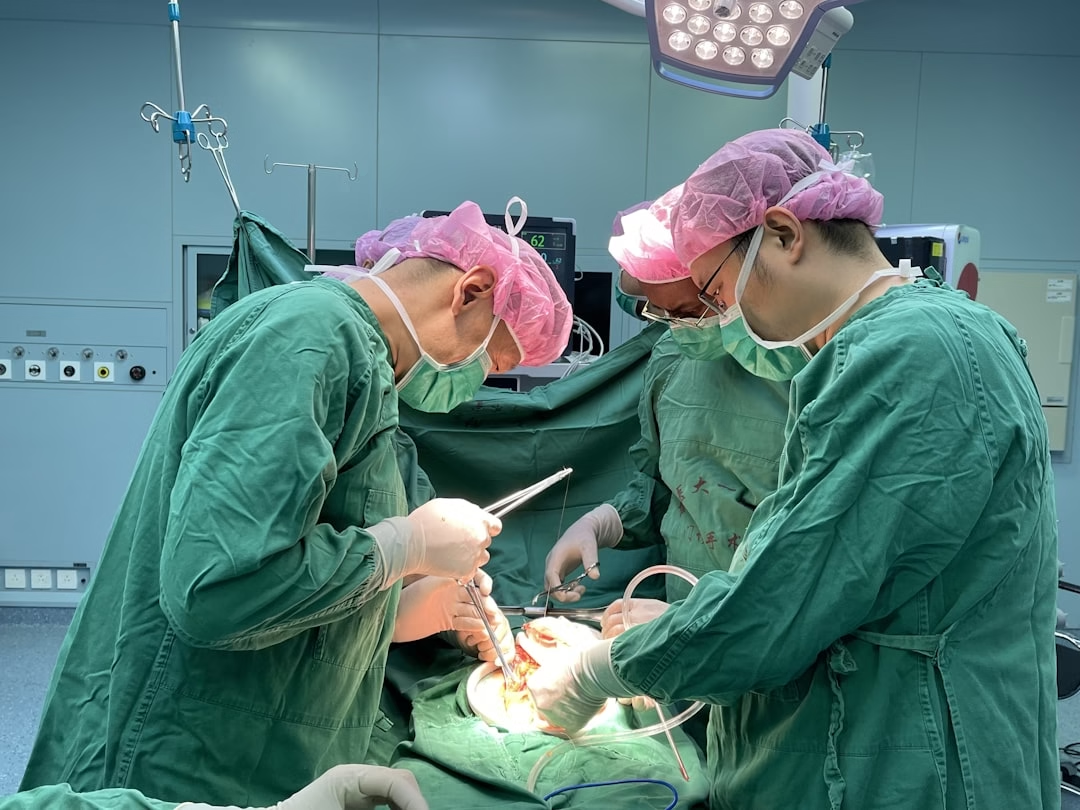
CPAP After Tonsillectomy Surgery Advantages
The strategic use of CPAP after tonsillectomy surgery offers clear medical advantages. Primarily, it bridges the gap between surgery and full physiological recovery. It also provides objective therapy data, proving the surgery’s effectiveness. Therefore, it empowers informed decisions about long-term treatment.
Another advantage is the prevention of complications like hypoxia. Moreover, it helps maintain surgical gains by keeping the airway patent. This approach is supported by UAE government healthcare regulations promoting integrated care models. Ultimately, it enhances overall patient outcomes and quality of life.
Common Questions and Concerns
Patients often ask about duration of use after surgery. Typically, CPAP is needed for several weeks to months. Another concern is pain; proper mask fit and humidification greatly reduce discomfort. Also, many wonder when they can stop therapy altogether.
Only a follow-up sleep study can confirm if CPAP is still necessary. Questions about equipment are best answered by experts. You can always contact our respiratory specialists for personalized advice. They guide you through every step of your recovery process.
Expert Recommendations for Patients
Experts emphasize a coordinated care plan. First, have a sleep study before surgery to establish a baseline. Then, schedule a follow-up study 3-6 months post-operation. During recovery, use auto-adjusting CPAP machines to accommodate changing needs.
Prioritize comfort with well-fitted masks and integrated humidifiers. Furthermore, maintain a log of sleep quality and any apnea symptoms. Finally, partner with a reputable supplier for reliable equipment and support. This comprehensive approach ensures the best possible surgical and therapeutic outcome.
Frequently Asked Questions
1. How long will I need CPAP after tonsillectomy surgery? Usage duration varies, but many patients use it for 1-3 months post-op until a follow-up sleep study.
2. Can the surgery completely cure my sleep apnea? For many, especially children, it can be curative. However, adults with other factors may still need some therapy.
3. Is CPAP use painful after surgery? Not with proper setup. A good mask fit and humidifier prevent discomfort on healing tissues.
4. What is the success rate of tonsillectomy for sleep apnea? Success rates are high, particularly in cases where enlarged tonsils are the primary cause.
5. Do I need a new CPAP machine after surgery? Not necessarily, but your pressure settings will likely need adjustment. An auto-adjusting model like the ResMed AirSense 11 is ideal.
6. How does CPAP after tonsillectomy surgery aid recovery? It ensures stable breathing and oxygen levels, promoting better healing and preventing surgical complications.
Conclusion
In summary, CPAP after tonsillectomy surgery plays a vital, often transitional role in sleep apnea management. This integrated approach maximizes surgical benefits while ensuring respiratory stability during recovery. With the right equipment and specialist guidance, many patients see a significant reduction in their therapy needs.
Choosing high-quality, compliant equipment is paramount. For trusted support in the UAE, explore our range of respiratory equipment and products. Therefore, take the next step towards better sleep health with confidence and expert backing.