

CPAP After Bariatric Surgery – Complete Guide
Introduction
Managing respiratory conditions in UAE? Understanding the CPAP after bariatric surgery timeline is crucial for patient safety and recovery. Bariatric surgery, while transformative for weight loss, significantly impacts obstructive sleep apnea (OSA). Consequently, patients using CPAP therapy must navigate a carefully managed adjustment period. This process ensures respiratory stability while capitalizing on the health gains from surgery.
In Dubai’s advanced healthcare landscape, a multidisciplinary approach is standard. Therefore, coordination between bariatric surgeons, sleep specialists, and respiratory therapists is essential. This guide outlines the evidence-based timeline and methodology for adjusting CPAP pressure post-surgery. Following UAE medical standards, we detail the steps for a safe transition.
At Oxydubai, trusted by 10,000+ UAE patients, we provide premium respiratory equipment and products to support this journey. Our expertise ensures patients have the right tools for every stage of their post-operative care.
Need Respiratory Solutions?
Understanding CPAP After Bariatric Surgery
The connection between weight loss and sleep apnea improvement is well-documented. Specifically, bariatric surgery often leads to rapid reduction in upper airway fat deposits. This anatomical change can decrease the severity of OSA. However, immediate cessation of CPAP therapy post-surgery is dangerous and unsupported by medical evidence.
Instead, a structured CPAP after bariatric surgery protocol must be followed. Initially, CPAP pressure requirements may remain unchanged. The primary goal is to maintain airway patency during the vulnerable recovery phase. Subsequently, as weight stabilizes and inflammation reduces, pressure adjustments become possible. Adherence to Dubai Health Authority healthcare guidelines ensures patient safety throughout this process.
Medical supervision is non-negotiable. For instance, devices like the ResMed AirSense 11 CPAP machine provide detailed therapy data. This data is vital for sleep specialists to make informed decisions about pressure reductions.
Benefits of Post-Surgical CPAP Adjustment
Correctly managing CPAP therapy after surgery offers multiple advantages. First, it ensures continuous protective ventilation during sleep. This prevents oxygen desaturation, which is critical for healing. Second, it allows patients to experience improved comfort as pressures are tailored downward.
Furthermore, proper adjustment can enhance compliance with therapy long-term. Patients often feel more motivated as they see tangible progress. Additionally, it reduces unnecessary strain from higher-than-needed pressures. This can minimize side effects like aerophagia or mask leaks.
From a systemic perspective, optimized therapy supports cardiovascular recovery. It aligns with the World Health Organization respiratory health guidelines on chronic disease management. Ultimately, a successful adjustment timeline signifies a major milestone in the patient’s overall health transformation.
CPAP After Bariatric Surgery Features
Modern CPAP devices have specific features essential for post-bariatric care. Auto-adjusting algorithms are paramount. These features, found in advanced models, respond to subtle changes in airway resistance. Consequently, they provide a bridge between fixed pressure and eventual therapy reduction.
Data reporting is another critical feature. Detailed AHI (Apnea-Hypopnea Index) and leak rate metrics guide clinical decisions. For example, the ResMed AirMini compact CPAP offers comprehensive nightly data via apps. This allows for remote monitoring by healthcare teams in Dubai.
Moreover, comfort features like pressure relief (EPR or Flex) become more important during adjustment. They help patients adapt to changing therapy needs. These integrated technologies support the structured CPAP after bariatric surgery timeline recommended by specialists.
Therapy Adjustment Specifications
The technical specifications for pressure adjustment follow strict medical protocols. Typically, the process begins with a repeat sleep study, or polygraphy. This should occur 3-6 months post-surgery, after significant weight loss has stabilized. The study provides objective data on residual apnea.
Pressure reductions are usually incremental, often by 1-2 cm H2O at a time. Then, a monitoring period of 4-6 weeks follows each change. Devices must comply with UAE Ministry of Health medical standards for accuracy and safety. For patients requiring oxygen supplementation, an Inogen One G5 portable oxygen concentrator may be integrated into the therapy plan.
Specifications also include mask refitting. As facial structure changes with weight loss, a new mask interface, like the ResMed AirFit F30i mask, may be necessary to maintain efficacy.
Expert Medical Advice?
Setup & Maintenance During Transition
Proper setup is vital during the pressure adjustment phase. Patients should ensure their device is in the prescribed mode, whether CPAP or AutoCPAP. Regular cleaning of the humidifier chamber and tubing is also crucial to prevent infection.
Maintenance involves weekly checks of data reports. Look for trends in AHI and pressure. If AHI rises significantly after a pressure reduction, consult your specialist immediately. Additionally, filter replacement should adhere to manufacturer guidelines to maintain air quality.
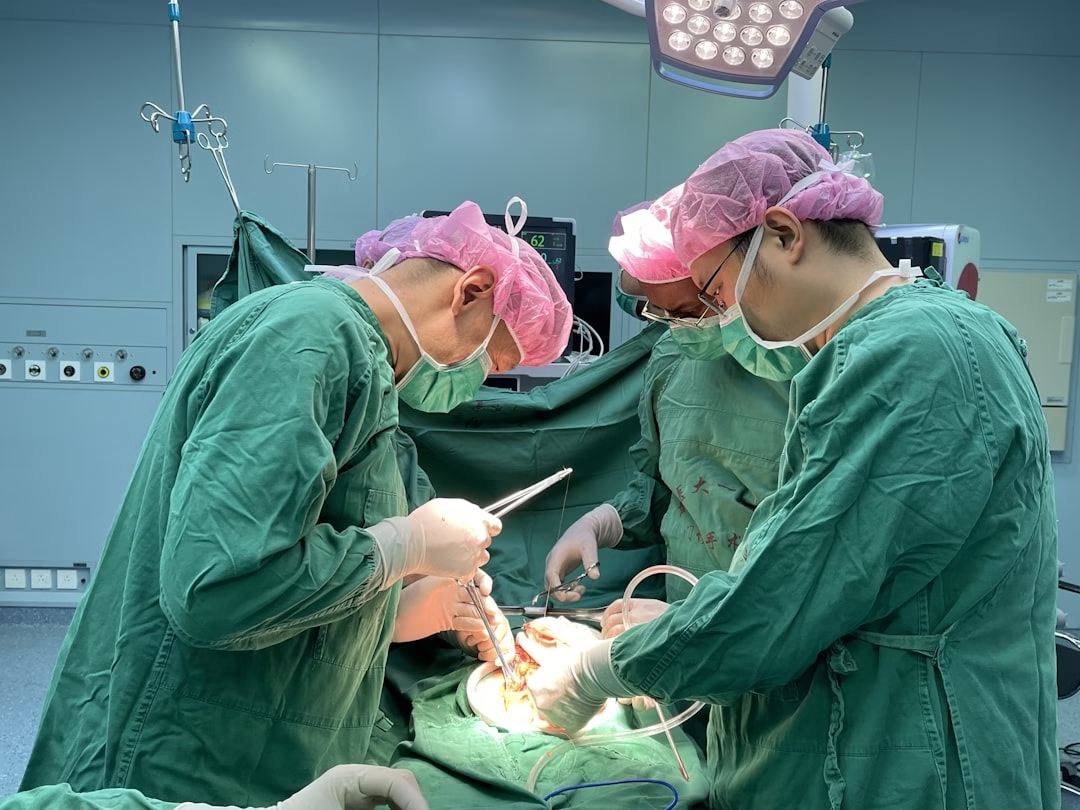
For complex cases involving respiratory insufficiency, a ResMed Astral 150 ventilator might be part of the care plan. Its maintenance requires specialized technical support, readily available in the UAE under Health Authority Abu Dhabi regulations.
CPAP After Bariatric Surgery Advantages
Following a disciplined CPAP after bariatric surgery adjustment plan yields significant health advantages. Primarily, it mitigates the risk of recurring apneas during the weight loss phase. This protects cardiovascular health and supports metabolic recovery.
Another advantage is the potential for therapy de-escalation. Many patients can reduce pressure settings, and some may eventually discontinue CPAP under medical guidance. This success is a powerful psychological boost. It reinforces the benefits of their surgical journey.
Moreover, optimized therapy improves sleep quality, which is foundational for healing and weight loss maintenance. It creates a positive feedback loop: better sleep supports better health decisions. This holistic advantage is a cornerstone of post-bariatric care in Dubai’s top-tier hospitals.
Common Questions on CPAP Adjustment
Patients frequently ask when they can stop CPAP after surgery. The answer is never to self-discontinue. Only a sleep study and specialist evaluation can determine if therapy is still needed. Another common question concerns travel. Portable devices like the AirMini are excellent for maintaining therapy consistency while traveling from Dubai.
Many wonder about mask fit issues as they lose weight. Indeed, this is common and requires professional refitting. A leaky mask can undermine therapy entirely. Others ask about the role of weight loss medications. These should be discussed with your doctor, as they may influence the adjustment timeline.
Finally, patients inquire about insurance coverage for repeat sleep studies. In the UAE, this is often covered when medically justified as part of post-bariatric follow-up, in line with UAE government healthcare regulations.
Expert Recommendations for Dubai Patients
Dubai-based specialists emphasize a patient-centric approach. First, maintain all scheduled follow-ups with your surgical and sleep medicine teams. Second, use a data-capable CPAP device and share reports with your clinician regularly.
Experts also recommend focusing on comprehensive lifestyle changes. CPAP adjustment is one part of the puzzle. Nutrition, hydration, and gradual physical activity are equally important. Furthermore, consider joining a support group. Sharing experiences with others on a similar CPAP after bariatric surgery journey can be invaluable.
For equipment needs and technical support, contact our respiratory specialists. We provide not only devices but also education on their use throughout your evolving therapy needs.
Frequently Asked Questions
Q1: How soon after bariatric surgery can CPAP pressure be reduced?
Typically, the first evaluation occurs at 3 months post-op, but pressure reduction usually starts only after significant, stable weight loss, often around 6 months.
Q2: Can I adjust my own CPAP pressure settings?
No. All adjustments must be prescribed and monitored by a sleep specialist based on objective data from a sleep study or device metrics.
Q3: Will I still need CPAP if I lose a lot of weight?
Many patients see improvement, but not all are cured. A follow-up sleep study is the only way to accurately assess your ongoing needs for CPAP after bariatric surgery.
Q4: What if my CPAP mask no longer fits after weight loss?
This is common. Schedule a mask refitting with your provider. A well-fitting mask like the ResMed AirFit F30i is crucial for effective therapy.
Q5: Are portable concentrators useful after surgery?
For patients requiring supplemental oxygen, yes. Devices like the Inogen G5 support mobility and active recovery while ensuring oxygenation.
Q6: Where can I get support for my CPAP equipment in Dubai?
Oxydubai offers full sales, setup, and maintenance support for all respiratory equipment, ensuring you have local expert assistance.
Conclusion
Navigating the CPAP after bariatric surgery timeline requires patience, precision, and professional guidance. In Dubai, patients have access to world-class medical expertise and advanced respiratory technology to support this journey. The process is not about quick elimination of therapy but about safe, data-driven optimization.
By following a structured timeline and utilizing intelligent CPAP devices, patients can work towards reducing their pressure settings safely. Ultimately, this journey is a testament to the profound impact of significant weight loss on overall health. Remember, successful management hinges on collaboration between you, your surgeons, and your sleep team.
For personalized advice and premium equipment tailored to your post-surgical needs, explore our range of respiratory equipment and products. Your path to better sleep and healthier breathing is a partnership we are committed to supporting every step of the way.

