

COPD Oxygen Therapy Home – Complete Guide for UAE Patients
Introduction
Managing respiratory conditions in the UAE? For patients with Chronic Obstructive Pulmonary Disease (COPD), accessing reliable **COPD oxygen therapy home** solutions is a cornerstone of effective long-term management. This treatment delivers supplemental oxygen directly to your residence, significantly improving quality of life and reducing hospital visits. Consequently, patients in Dubai and across the Emirates can maintain active, fulfilling lives with proper support. Within the UAE’s advanced healthcare framework, home-based care is strongly encouraged for chronic conditions. Furthermore, it aligns with health authority goals to provide patient-centric, accessible treatment options.
Medical benefits of consistent oxygen use are profound. Primarily, it corrects low blood oxygen levels (hypoxemia), easing breathlessness and reducing strain on the heart. Additionally, it enhances sleep quality, increases exercise tolerance, and improves overall cognitive function. For COPD patients, consistent oxygen therapy can slow disease progression and is often a medically necessary intervention. Therefore, understanding how to implement it safely at home is crucial.
In Dubai’s unique environment, factors like high summer temperatures and air conditioning can affect respiratory comfort. However, modern oxygen concentrators are designed to operate efficiently in such conditions. At OxyDubai, trusted by 10,000+ UAE patients, we provide premium respiratory equipment and products and comprehensive medical equipment rental in Dubai. Our team ensures you receive the right device, proper setup, and ongoing support for your **COPD oxygen therapy home** journey.
Need Respiratory Equipment in Dubai?
Understanding COPD Oxygen Therapy Home
**COPD oxygen therapy home** refers to the prescribed, long-term use of supplemental oxygen within a patient’s residence. Importantly, it is not a cure but a vital treatment to manage symptoms and improve prognosis. A physician will prescribe a specific flow rate (liters per minute) and duration (often 15+ hours daily, including during sleep) based on blood oxygen measurements. This prescription is personal and must be followed precisely for optimal results.
The core goal is to maintain blood oxygen saturation above 90%, preventing the complications of chronic hypoxemia. According to the World Health Organization respiratory health guidelines, managing chronic respiratory diseases requires integrated care models that include long-term oxygen therapy. In practice, this involves using an oxygen concentrator, which filters nitrogen from room air to deliver purified oxygen. Alternatively, oxygen cylinders or portable units provide mobility.
Setting up this therapy requires planning. You need a reliable power source, a safe and well-ventilated space for the equipment, and backup solutions for power outages. Moreover, understanding device operation and basic safety protocols is non-negotiable. For instance, oxygen supports combustion, so keeping sources away from open flames is critical. Ultimately, successful **COPD oxygen therapy home** hinges on the right equipment, proper education, and consistent adherence.
Patients often use devices like the Inogen Rove 6 portable oxygen concentrator for mobility, alongside a stationary concentrator for primary home use. This combination ensures coverage for all daily activities.
Benefits of Home Oxygen Treatment
Adopting home oxygen treatment transforms daily living for COPD patients. The most immediate benefit is reduced breathlessness (dyspnea), allowing for easier completion of routine tasks. Furthermore, enhanced oxygen levels improve energy and reduce chronic fatigue. Consequently, patients often experience a renewed ability to engage in light physical activity, which is crucial for maintaining muscle strength and overall health.
Another significant advantage is improved sleep quality. Nocturnal oxygen desaturation is common in COPD and leads to poor sleep and morning headaches. Supplemental oxygen at night combats this, promoting restful sleep and better daytime alertness. Additionally, it can lessen the burden on the cardiovascular system. Chronic low oxygen forces the heart to work harder, potentially leading to pulmonary hypertension and heart failure. Consistent oxygen therapy mitigates this risk.
From a psychological perspective, the benefits are substantial. Regaining independence and reducing emergency hospital admissions greatly enhance mental well-being and reduce anxiety. Moreover, the convenience of receiving treatment at home provides comfort and stability. For families in the UAE, this means less disruption and more predictable care management. In many cases, proper **COPD oxygen therapy home** can increase survival rates and is a clinically proven intervention for advanced COPD.
Devices like the Philips DreamStation BiPAP ST machine can sometimes be used in conjunction with oxygen therapy for patients with overlapping sleep apnea and COPD, showcasing the integrated approach available.
COPD Oxygen Therapy Home Features
Modern **COPD oxygen therapy home** systems boast features designed for safety, comfort, and ease of use. Stationary oxygen concentrators are the workhorses, offering continuous flow at various settings. Key features include adjustable liter flow, intuitive digital displays, and alarms for low oxygen purity or power failure. Importantly, many models operate quietly, minimizing disruption in the home environment. Additionally, they are built to UAE voltage standards (220-240V) and can handle local climate conditions.
Portability is a critical feature for an active lifestyle. Modern portable oxygen concentrators (POCs) are lightweight, battery-operated, and can deliver pulse-dose oxygen. This technology releases oxygen only when you inhale, conserving supply. As a result, patients can leave their homes for appointments, social events, or travel within the UAE. Compliance with the Dubai Health Authority healthcare guidelines on medical device safety is paramount for all equipment supplied locally.
Furthermore, advanced devices come with connectivity features. Some concentrators can track usage hours and oxygen purity, data which can be shared with your healthcare provider for remote monitoring. This aligns with the UAE’s push for smart health solutions. Another essential feature is the inclusion of humidifier bottles for stationary units, which add moisture to the dry oxygen, preventing nasal dryness and discomfort. Safety features always include thermal overload protection and tip-over switches.
Choosing a device with the right features depends on your prescription and lifestyle. For example, the BMC BPAP G2S B25VT/B30VT bilevel ventilator may be recommended for complex cases requiring higher pressure support alongside oxygen.
Device Options and Specifications
Selecting the correct device is fundamental for effective **COPD oxygen therapy home**. The primary options are stationary oxygen concentrators, portable oxygen concentrators (POCs), and oxygen cylinders. Stationary concentrators, like 5L or 10L models, provide continuous flow for home use and often include a humidifier. They plug into mains power and are ideal for overnight or prolonged use. Specifications to consider are oxygen output (LPM), noise level (decibels), weight, and power consumption.
Portable Oxygen Concentrators (POCs) are game-changers for mobility. They typically offer both continuous and pulse-dose settings, with battery life being a key specification. For instance, a POC may offer 2-8 hours on a single battery charge. Furthermore, they are FAA-approved for air travel, important for patients in Dubai’s international community. Units like the Inogen Rove 6 weigh as little as 2.3 kg, making them highly convenient. Oxygen cylinders, while less common for primary home use, serve as essential backups during power outages.
Device specifications must meet the stringent UAE Ministry of Health medical standards. This ensures they are safe, reliable, and calibrated for the prescribed flow rates. Accessories are equally important. Consequently, you will need appropriate oxygen tubing (long enough for mobility within the home), nasal cannulas, and cleaning supplies. For patients requiring higher pressure support, a BiPAP machine may be integrated with oxygen therapy. Masks must be comfortable and fit well to prevent leaks.
Explore options such as the ResMed AirFit F30i full face mask for a comfortable seal with integrated tubing, which can be used in certain therapy setups.
Get a Free Expert Recommendation
Setup and Maintenance Guide
Proper setup ensures your **COPD oxygen therapy home** is safe and effective. First, place the stationary concentrator in a well-ventilated area, at least 15 cm away from walls, curtains, or furniture to prevent overheating. Additionally, avoid placing it in confined spaces like a closet. Plug the device into a grounded wall outlet, not an extension cord, to ensure stable power. Next, attach the humidifier bottle if provided, fill it with distilled water to the indicated level, and connect the oxygen tubing and nasal cannula.
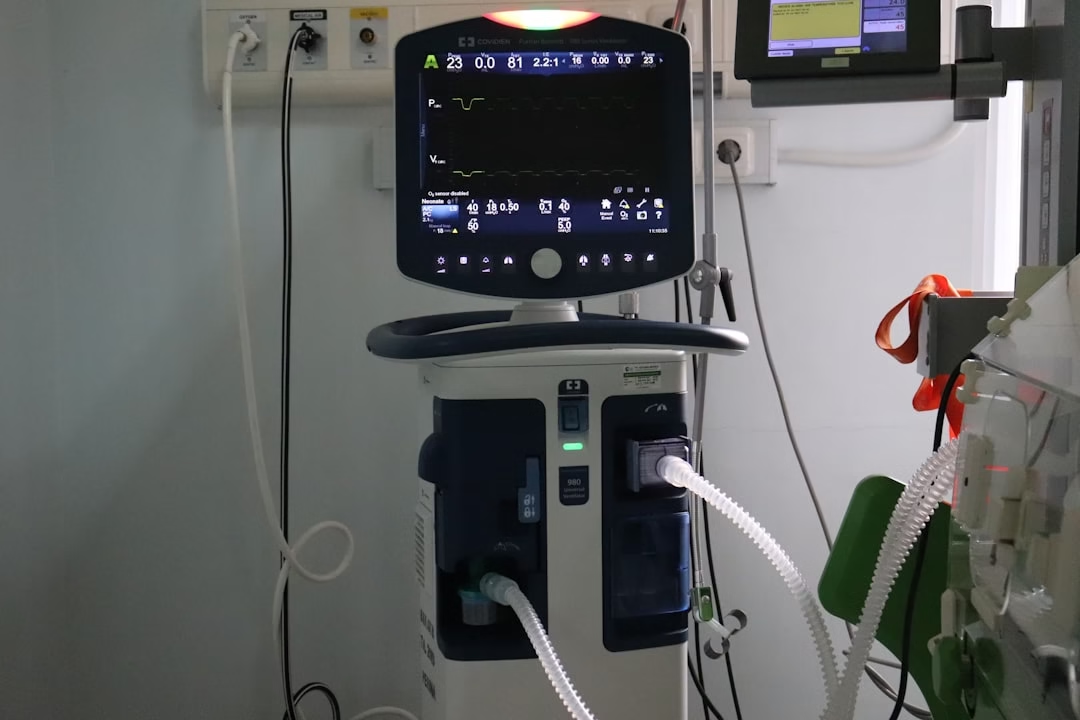
Turn on the unit and set the flow rate exactly as prescribed by your doctor. You should hear a consistent, low hum. Check the alarm system by briefly disconnecting the tubing; an alarm should sound. Furthermore, establish a routine for cleaning. Daily, wipe the exterior with a dry cloth. Weekly, clean the nasal cannula or mask with mild soap and water, rinsing thoroughly. Also, you must replace the disposable cannula every 2-4 weeks or as recommended.
The machine’s inlet filter requires regular attention. Check it weekly and clean it according to the manufacturer’s instructions—usually by rinsing with water and letting it air dry completely before reinserting. Importantly, never operate the device without its filter. Schedule professional servicing at least once a year. This ensures internal components are clean and the oxygen output purity remains above 90%. Having a backup power solution, like a UPS or generator, is highly advisable in Dubai.
For comprehensive support, consider our medical equipment rental in Dubai, which often includes maintenance and service as part of the package.
COPD Oxygen Therapy Home for UAE Patients
Implementing **COPD oxygen therapy home** in the UAE involves navigating local regulations and adapting to the environment. Firstly, a formal prescription from a licensed UAE physician is mandatory to procure oxygen equipment. This prescription details flow rate, duration, and medical necessity. Reputable suppliers like OxyDubai will always require this documentation. Moreover, equipment must be approved by relevant bodies like the DHA or MOH to ensure compliance with national safety standards.
The UAE’s climate presents specific considerations. During intense summer heat, patients may spend more time indoors with air conditioning, which can dry the airways. Using a humidifier with your concentrator becomes even more important. Furthermore, dust and sandstorms can affect air filters. Therefore, checking and cleaning the device’s filter more frequently is advisable. Understanding UAE government healthcare regulations helps patients know their rights regarding chronic disease management and medical device imports.
Financial aspects are also unique. Some insurance providers in Dubai cover part or all of the cost for long-term oxygen therapy when medically justified. It’s crucial to verify coverage with your provider. Additionally, rental options provide flexibility without large upfront costs. For expatriate patients, continuity of care when traveling is vital. Thankfully, portable concentrators are travel-friendly. However, always check airline policies and ensure you have adequate batteries and international power adapters.
The supportive community and advanced healthcare infrastructure in Dubai make managing **COPD oxygen therapy home** highly feasible. Connecting with local patient support groups can also provide valuable practical advice.
Common Questions and Concerns
Patients starting **COPD oxygen therapy home** often have valid questions. A frequent concern is safety, particularly regarding fire risk. Remember, oxygen itself is not flammable, but it vigorously supports combustion. Therefore, keep the concentrator and tubing away from open flames, gas stoves, candles, and cigarettes. Additionally, do not use petroleum-based products like Vaseline on your face; use water-based alternatives instead.
Another common question is about side effects. Typically, oxygen therapy has few side effects when used correctly. Some patients experience nasal dryness or mild skin irritation from the cannula. Using the humidifier and adjusting the tubing can alleviate this. Patients also worry about becoming “dependent” on oxygen. Importantly, this is a misconception; the body needs adequate oxygen to function. The therapy supplements a deficiency—it does not create dependency in the drug-addiction sense.
Travel is a major concern. Can you travel with oxygen? Absolutely. Portable concentrators are designed for this. However, always plan ahead. Notify airlines in advance, carry your prescription, and ensure you have enough battery power for the journey duration. Regarding regulations, the Health Authority Abu Dhabi regulations and other emirate-level guidelines ensure uniform safety standards across the UAE. Finally, many wonder about power outages. Having a backup cylinder or a battery backup for your concentrator is the best solution.
Expert Recommendations
For optimal results with your **COPD oxygen therapy home**, experts emphasize consistency. Use oxygen for the exact number of hours prescribed, even if you feel fine. Oxygen levels can drop during subtle activities like eating or sleeping, which you might not notice. Furthermore, integrate therapy into your daily routine seamlessly. For example, keep a portable unit near your favorite chair to encourage use.
Invest in a quality pulse oximeter to monitor your blood oxygen saturation (SpO2) at home. This provides feedback and helps you understand how activity and therapy affect your levels. However, do not self-adjust your oxygen flow based solely on oximeter readings without consulting your doctor. Additionally, stay well-hydrated. Oxygen delivered via a concentrator can be drying, so drinking water helps keep mucous membranes moist.
Choose your equipment supplier carefully. A reputable provider will offer not just a device, but comprehensive support: setup, training, maintenance, and 24/7 emergency assistance. They should also help navigate insurance claims. Finally, maintain an open dialogue with your pulmonologist. Report any changes in symptoms, and have your equipment and therapy efficacy reviewed regularly. Combining medical oversight with reliable equipment and personal diligence is the formula for success in managing COPD at home in the UAE.
For personalized guidance, don’t hesitate to contact our respiratory specialists who can assess your specific needs and environment.
Frequently Asked Questions
What is the typical cost for COPD oxygen therapy home setup in Dubai?
Costs vary based on equipment choice (purchase vs. rental) and specifications. Generally, renting a stationary concentrator starts from a few hundred AED monthly, while purchasing can range from AED 5,000 to 15,000. Portable units are additional. Many insurance plans cover part of the cost with a doctor’s prescription. For accurate pricing, browse our respiratory equipment and products or contact us for a tailored quote.
How do I get an oxygen therapy prescription in Dubai?
You need to consult a pulmonologist or respiratory specialist at a hospital or clinic in Dubai. They will conduct tests, like arterial blood gas analysis or pulse oximetry, to determine if you meet the medical criteria for long-term oxygen therapy. If prescribed, they will provide a detailed medical report and prescription specifying flow rate and duration.
Can I use a portable oxygen concentrator while sleeping?
Many modern portable concentrators have sleep modes and continuous flow settings suitable for overnight use. However, you must verify that your specific POC model can deliver your prescribed flow rate continuously throughout the night and has a sufficient battery life or can operate on mains power while you sleep.
Is it safe to use oxygen therapy if I also use a CPAP or BiPAP machine?
Yes, it is common and safe. Patients with overlapping COPD and sleep apnea often use both. The oxygen can be connected via an adapter to your CPAP or BiPAP machine’s tubing. Devices like the Philips DreamStation Auto BiPAP machine can be effectively integrated with oxygen therapy under medical guidance.
How often does the equipment need servicing?
Professional servicing is recommended at least once a year. This includes checking internal filters, oxygen purity, and all mechanical functions. Daily and weekly user maintenance (cleaning filters, wiping surfaces) is also crucial to ensure optimal performance and longevity of your equipment.
What should I do during a power outage in Dubai?
Always have a backup plan. This should include a fully charged portable oxygen concentrator with a battery or a backup oxygen cylinder with a regulator. Do not rely solely on a stationary concentrator during Dubai’s summer when power fluctuations can occur. Discuss an emergency plan with your equipment provider.
Conclusion
Successfully managing COPD with **COPD oxygen therapy home** in Dubai is a highly achievable goal with the right knowledge and support. This guide has outlined the essentials—from understanding the treatment and its benefits to selecting equipment and maintaining it in the UAE’s unique environment. Importantly, adherence to your prescribed therapy and partnering with a reputable supplier are the two most critical factors for long-term success. The advanced healthcare landscape in Dubai provides a strong foundation for patients to lead active, fulfilling lives.
Remember, oxygen therapy is a proven medical intervention that can significantly improve your quality of life, increase stamina, and reduce health risks. By taking a proactive approach to setup, safety, and maintenance, you can integrate this therapy seamlessly into your daily routine. Furthermore, leveraging the expertise of local specialists ensures you stay compliant with regulations and have access to the latest and most suitable equipment.
If you are ready to explore your options for home oxygen therapy or need expert advice tailored to your specific condition, OxyDubai is here to help. Browse our extensive range of respiratory equipment and products or contact our respiratory specialists directly for a personalized consultation. Take the next step towards better breathing and enhanced independence today.

