

Best Sleep Positions Apnea – Complete Guide
Looking for sleep apnea solutions? Understanding the best sleep positions for sleep apnea patients is a crucial, non-invasive strategy for managing this disruptive condition. Consequently, proper positioning can significantly reduce airway obstruction, improve oxygen saturation, and lessen the severity of apnea events. Moreover, in the UAE’s diverse climate, where air quality and allergies can exacerbate respiratory issues, positional therapy offers a simple first line of defense. At Oxydubai, trusted by 10,000+ UAE patients, we provide premium respiratory equipment and products alongside expert advice on comprehensive sleep management.
Sleep apnea causes repeated breathing interruptions during sleep. These pauses can happen dozens of times per hour. Therefore, finding the optimal sleep position is not just about comfort. It is a therapeutic intervention. The goal is to keep the airway open and aligned. This guide explores the science behind positional therapy. It also offers practical tips for implementation. Finally, we discuss how it complements medical devices like CPAP machines.
Need Respiratory Solutions?
Understanding Best Sleep Positions Apnea
Positional sleep apnea refers to cases where breathing disruptions depend heavily on sleeping posture. Research shows over half of apnea patients are positional. Their events increase dramatically when supine (on the back). Gravity causes the tongue and soft palate to collapse backward. This action obstructs the airway. Side sleeping, however, often prevents this collapse. Thus, identifying the best sleep positions for sleep apnea patients starts with abandoning back sleeping.
Furthermore, elevation can aid breathing. For instance, using a wedge pillow reduces gravitational pressure on the diaphragm. It also decreases fluid accumulation in the neck area. This is particularly relevant for conditions like congestive heart failure. The World Health Organization respiratory health guidelines emphasize managing comorbidities. Positional therapy is a key behavioral recommendation. For many, combining this with a device like the BMC Resmart G2S A20 Auto CPAP machine yields the best results.
Benefits of Optimal Sleeping Posture
Adopting the correct posture offers multiple benefits. First, it can reduce the Apnea-Hypopnea Index (AHI). This index measures sleep apnea severity. Second, it improves sleep architecture. Patients experience more restorative deep and REM sleep. Third, it decreases snoring intensity. This benefit also improves a bed partner’s sleep quality. Additionally, better posture may lower the required pressure on CPAP machines. This increase enhances comfort and compliance.
Moreover, positional therapy has zero cost and no side effects. It empowers patients to take an active role in their health. In the UAE, where healthcare follows high UAE Ministry of Health medical standards, integrative approaches are encouraged. Proper positioning complements other treatments. For example, it works well with oxygen therapy using an Inogen One G5 portable oxygen concentrator. Together, they ensure optimal oxygen levels all night.
Best Sleep Positions Apnea Features
The primary feature of effective positions is airway patency. The lateral position (side sleeping) is the gold standard. Specifically, sleeping on the left side may offer extra benefits. It can reduce gastroesophageal reflux, a common apnea comorbidity. Another key feature is spinal alignment. A supportive mattress and pillow maintain neutral neck alignment. This prevents airway kinking. Furthermore, elevated positioning is a critical feature. Torso elevation of 30-45 degrees is often recommended.
These positional features work by leveraging anatomy and gravity. They prevent the tongue’s base from falling back. They also keep tissues in the pharynx from collapsing. For complex cases, positional therapy is a core feature of a broader plan. It integrates seamlessly with advanced devices. For instance, the Philips Respironics DreamStation Auto CPAP can be used more comfortably in these optimal positions. Compliance with Dubai Health Authority healthcare guidelines means using all available tools for patient care.
Positional Therapy Specifications
Implementing positional therapy requires specific approaches. A common method is the “tennis ball technique.” Sewing a pocket onto the back of a pajama top and placing a tennis ball inside discourages back sleeping. Alternatively, specialized pillows are available. Wedge pillows provide gradual elevation. Body pillows support side sleeping by allowing the knee to rest comfortably. The specifications for success include consistency and patience. New positions feel unfamiliar initially.
Additionally, technology can help. Wearable devices and smart shirts vibrate when you roll onto your back. These tools provide biofeedback. For patients using BiPAP therapy, like the Philips DreamStation Auto BiPAP machine, maintaining the prescribed position ensures the device works efficiently. Adherence to Health Authority Abu Dhabi regulations involves using approved, safe medical strategies. Positional therapy is a recognized behavioral specification.
Expert Medical Advice?
Setup and Maintenance of Sleep Posture
Setting up your sleep environment is straightforward. Start with a supportive mattress. Then, choose the right pillow. For side sleepers, a thicker pillow fills the space between shoulder and head. This keeps the spine straight. Next, consider a body pillow. Hugging it prevents rolling onto your back. For elevation, a firm wedge pillow under the mattress topper is less likely to shift. Maintenance involves regularly assessing comfort and effectiveness.
Moreover, keep your therapy equipment clean and well-maintained. Good posture maximizes the effectiveness of your Philips DreamStation BiPAP ST machine. Clean your mask and hose regularly. Replace worn cushions. A well-fitted mask, like the ResMed AirFit F30i full face mask, works better with positional changes. Consequently, your therapy remains effective and hygienic. This aligns with general UAE government healthcare regulations for device care.
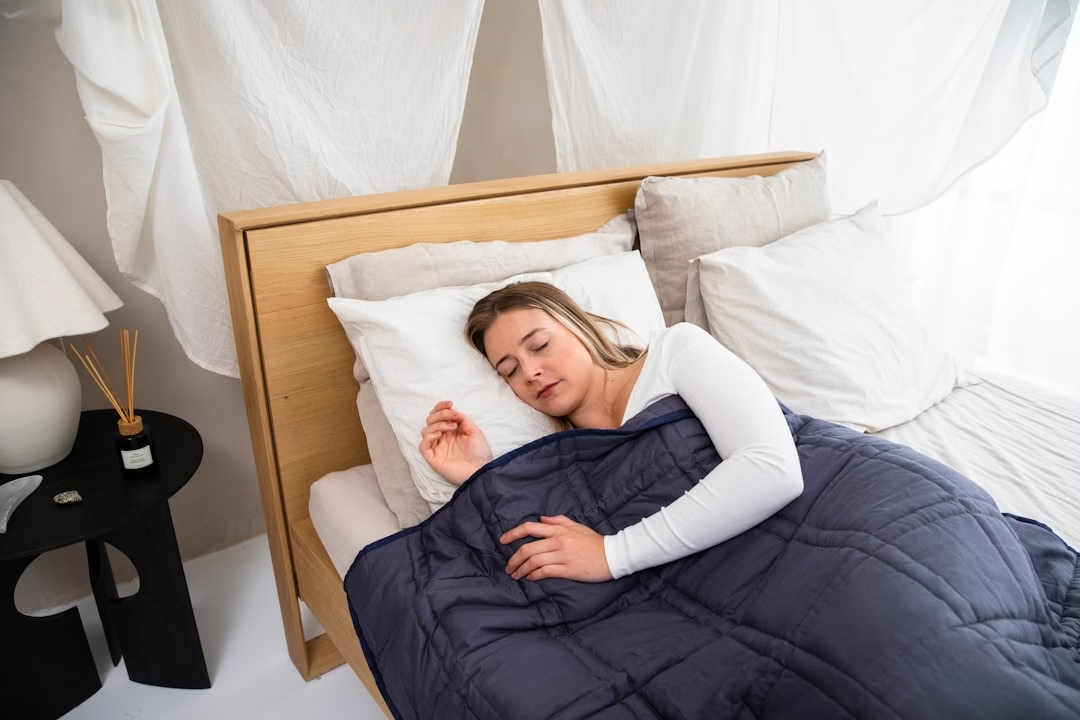
Best Sleep Positions Apnea Advantages
The advantages of mastering the best sleep positions for sleep apnea patients are profound. Firstly, it is a completely natural intervention. Secondly, it can reduce dependency on high CPAP pressures. This reduction makes therapy more tolerable. Thirdly, it decreases the risk of central apnea events triggered by obstruction. For patients with complex needs, such as those using a BMC BPAP G2S B25VT/B30VT ventilator, optimal positioning supports the machine’s sophisticated algorithms.
Furthermore, positional advantages extend beyond apnea control. They improve overall sleep quality and reduce daytime fatigue. They also lower cardiovascular strain. Better sleep posture can alleviate neck and back pain. Therefore, the benefits are holistic. In summary, positional therapy is a powerful, low-risk component of sleep apnea management. It exemplifies a proactive approach to health, which is a cornerstone of modern UAE Ministry of Health medical standards.
Common Questions on Sleep Positioning
Many patients have questions about this therapy. Is side sleeping always better? For most with obstructive apnea, yes. However, some with shoulder problems find it difficult. In such cases, elevated back sleeping is an alternative. What if I keep rolling onto my back? This is common. Persistence with positional aids like pillows or wearable devices usually works within a few weeks. Does position help central sleep apnea? The effect is less direct, but optimal positioning improves overall breathing efficiency.
Another frequent question involves combining positions with CPAP. Absolutely, they work together. In fact, a good position can prevent mask leaks. It also makes therapy more comfortable. For device-specific queries, always contact our respiratory specialists. They can advise on how your respiratory equipment and products interact with your sleep posture. Professional guidance ensures a tailored, effective approach.
Expert Recommendations for Implementation
Experts recommend a gradual approach. Start by trying side sleeping for short naps. Then, progress to the full night. Use pillows for support immediately. Invest in a quality mattress that supports proper alignment. Additionally, have a sleep study if you haven’t already. This study will confirm if you have positional apnea. It will also guide the integration with PAP therapy. Experts also stress consistency. The benefits accumulate over time.
Finally, view positional therapy as one part of a toolkit. It works best with weight management, avoiding alcohol before bed, and using prescribed medical devices. Following World Health Organization respiratory health guidelines means adopting a multi-faceted strategy. For severe apnea, position alone is not enough. It must complement advanced treatment. Therefore, consult a sleep specialist to create your personalized plan. This ensures all aspects of your health are addressed.
Frequently Asked Questions
What is the single best sleep position for sleep apnea? Sleeping on your side, particularly the left side, is generally considered most effective for preventing airway obstruction.
Can pillows really help with sleep apnea? Yes. Specialized pillows that promote side sleeping or elevate the head and torso can significantly reduce apnea events.
Is sleeping on your back always bad for apnea? For most obstructive apnea patients, yes. Back sleeping often worsens symptoms due to gravitational collapse of the airway.
How do I stop rolling onto my back at night? Use positional therapy aids like a wedge pillow, a body pillow, or wearable devices that provide gentle vibration when you roll over.
Do the best sleep positions for sleep apnea patients work with a CPAP machine? Absolutely. Optimal positioning can improve CPAP effectiveness, reduce required pressure, and enhance comfort, making the Philips Respironics DreamStation Auto CPAP easier to use.
Should I change my position if I use an oxygen concentrator? Yes. Proper positioning improves lung expansion and oxygenation, allowing devices like the Inogen One G5 to work more efficiently.
Conclusion
In conclusion, mastering the best sleep positions for sleep apnea patients is a vital, evidence-based component of managing this condition. While not a standalone cure for moderate to severe cases, positional therapy effectively reduces events, improves sleep quality, and complements medical device use. It is a simple, cost-free strategy that empowers individuals. Across the UAE, integrating such behavioral changes with advanced respiratory care represents a comprehensive approach to wellness.
Remember, consistency is key. Start tonight by propping yourself on your side with extra pillows. Monitor how you feel in the morning. For a full assessment and to explore how positional therapy fits with your specific needs and equipment, contact our respiratory specialists at Oxydubai. Explore our range of respiratory equipment and products to build a complete sleep health solution tailored for you.

