

AirSense 10 vs AirSense 11: Which CPAP Machine Should You Buy?
AirSense 10 vs AirSense
Understanding AirSense 10 vs AirSense
The ResMed AirSense 10 is a proven and reliable workhorse. It has been the gold standard for years. This machine offers exceptional performance and patient comfort. Its HumidAir humidifier integrates seamlessly with the device. Therefore, it provides optimal moisture levels throughout the night.
The ResMed AirSense 11 represents the next generation of sleep therapy. It builds upon its predecessor’s success with modern upgrades. These include a larger, color touchscreen and enhanced data connectivity. Moreover, its design is more compact and travel-friendly. Both machines are part of a complete respiratory equipment and products ecosystem.
AirSense 10 vs AirSense Benefits
Both devices offer significant benefits for sleep apnea patients. They provide effective airway pressure to prevent apnea events. Consequently, users experience improved sleep quality and daytime alertness. The advanced algorithms automatically adjust pressure for maximum comfort. This ensures therapy remains effective as your needs change.
Additionally, these machines promote better cardiovascular health. They reduce the long-term risks associated with untreated sleep apnea. Their quiet operation, typically below 26 decibels, minimizes sleep disruption. Furthermore, integrated humidification prevents nasal and throat dryness. This makes therapy more comfortable and easier to adhere to.
How AirSense 10 vs AirSense Works
These CPAP machines operate using sophisticated motor and sensor technology. They generate a continuous stream of pressurized air. This air flows through a tube to a mask worn over the nose or mouth. The pressure acts as a pneumatic splint. It keeps your airway open during sleep.
The AutoSet algorithm is a core feature in both models. It constantly monitors your breathing patterns. Specifically, it detects the start of apneas, hypopneas, and snoring. Then it responds by delivering the minimum pressure required. This ensures effective therapy without unnecessary high pressure. For more complex needs, the ResMed Astral 150 ventilator offers advanced support.
Key Feature Comparison Breakdown
The display and user interface differ significantly. The AirSense 10 has a simpler LCD screen with a dial. Meanwhile, the AirSense 11 features a modern, color touchscreen. It is more intuitive and easier to navigate. This is particularly helpful for new users starting therapy.
Connectivity is another major differentiator. The AirSense 10 uses a 3G cellular connection for data transmission. Conversely, the AirSense 11 uses faster 4G LTE and Bluetooth. This allows for seamless synchronization with the myAir app. Therefore, patients and providers can monitor adherence more effectively.
Best AirSense 10 vs AirSense Practices
Adhering to a consistent cleaning routine is essential. You should clean your mask, tubing, and water chamber daily. This prevents bacteria buildup and ensures hygienic therapy. Use mild soap and warm water for cleaning. Always allow components to air dry completely.
Furthermore, replace consumable parts on a regular schedule. Filters typically need monthly replacement. Tubes and masks have a lifespan of three to twelve months. Using a worn-out mask can compromise therapy effectiveness. For a great mask option, consider the ResMed AirFit F30i mask. These practices align with World Health Organization respiratory health guidelines.
AirSense 10 vs AirSense Implementation
Implementing your new CPAP machine correctly is crucial for success. First, set up the device on a stable surface beside your bed. Ensure the air inlet at the back is unobstructed. Next, fill the humidifier chamber with distilled water. This prevents mineral deposits.
Then, connect the air tube to the machine and your mask. Finally, put on your mask and start the machine. The AutoRamp feature will begin at a low pressure. It increases to your prescribed level after you fall asleep. This makes the initial experience much more comfortable. For portable needs, the ResMed AirMini compact CPAP is an excellent alternative.
Comfort and Therapy Technology
Expiratory Pressure Relief (EPR) is a key comfort feature. It is available on both the AirSense 10 and AirSense 11. EPR momentarily lowers the pressure when you exhale. This makes breathing out against the incoming airflow feel more natural. Consequently, it improves comfort and therapy acceptance.
The ClimateLineAir heated tube is compatible with both units. It automatically regulates tube air temperature. This prevents rainout, which is condensation inside the tube. Moreover, it ensures the air you breathe is at a perfect humidity level. This technology is a significant upgrade for user comfort.
Advanced AirSense 10 vs AirSense Strategies
Leveraging data is an advanced strategy for optimizing therapy. Both machines record detailed data on your sleep therapy. This includes usage hours, mask seal quality, and apnea events. You can review this data on the machine’s screen. Alternatively, use the myAir online platform for deeper insights.
Another strategy involves pairing your CPAP with a compatible oximeter. This allows for correlating oxygen saturation levels with CPAP data. Therefore, your healthcare provider can fine-tune your pressure settings with greater precision. This integrated approach is supported by Dubai Health Authority healthcare guidelines.
Travel and Portability Considerations
Portability is a practical concern for many users. The AirSense 11 has a slight edge in this area. It is more compact and lighter than the AirSense 10. Additionally, its power supply is integrated, reducing the number of items to pack. This makes it a better companion for frequent travelers.
For those who travel extensively, a dedicated travel CPAP may be ideal. However, both AirSense models can be used with a compatible battery pack. Always check UAE government healthcare regulations regarding medical device travel. For oxygen therapy on the go, the Inogen One G5 portable oxygen concentrator is a top choice.
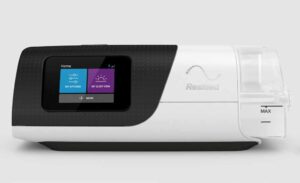
AirSense 11
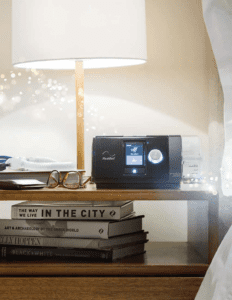
AirSense 10
AirSense 10 vs AirSense Success Tips
Consistency is the most important factor for CPAP success. You should use your machine every night, for every sleep. This includes naps. Start by using it for a few hours each night. Then gradually increase the usage time until you can sleep all night with it.
Moreover, make sure your mask fits correctly. A poor fit can cause leaks and skin irritation. It can also reduce the therapy’s effectiveness. If you experience discomfort, try a different mask style or size. Don’t hesitate to contact our respiratory specialists for a fitting consultation. These tips align with UAE Ministry of Health medical standards.
Future of AirSense 10 vs AirSense
The future of CPAP therapy is moving towards greater integration and personalization. The AirSense 11 platform is better positioned for this evolution. Its modern connectivity and software allow for more frequent updates. We can expect more advanced algorithms and remote monitoring capabilities.
Furthermore, integration with other smart home health devices is likely. This will provide a holistic view of a patient’s wellness. The industry trend is towards quieter, smaller, and smarter machines. These developments will continue to improve patient adherence and outcomes. This progress is monitored by bodies like the Health Authority Abu Dhabi regulations.
Frequently Asked Questions
Is the AirSense 11 really better than the AirSense 10?
The AirSense 11 offers modern upgrades like a touchscreen and better connectivity. However, the core therapy algorithm is very similar. The AirSense 10 remains a highly effective and reliable machine. The choice depends on your preference for newer technology versus proven value.
Are the AirSense 10 and 11 masks interchangeable?
Yes, absolutely. Both machines use the standard 22mm CPAP tubing connection. All ResMed masks and accessories designed for the AirSense 10 are fully compatible with the ResMed AirSense 11 CPAP machine, and vice-versa.
Which machine is quieter during operation?
Both machines are exceptionally quiet, operating at around 26 decibels. There is no significant, noticeable difference in noise levels between the two models for most users. Both are designed to not disturb your sleep or your bed partner’s.
Does the AirSense 11 have a better humidifier?
The humidification technology itself is largely the same. Both use the HumidAir humidifier. The AirSense 11’s chamber is slightly different in design but offers the same performance. The Climate Control and ClimateLineAir tube compatibility are identical.
Can I use my existing CPAP accessories with a new AirSense 11?
Yes, your existing tubes, masks, and filters will work with the new machine. The power cord connector changed, so you will need to use the one provided with the AirSense 11. The water chamber is model-specific and not interchangeable.
Which machine offers better data tracking for my doctor?
Both machines provide comprehensive therapy data, including AHI, leak rate, and usage. The AirSense 11 transmits this data via faster 4G LTE. The clinical menu and the depth of data available are essentially the same, so both are excellent for professional monitoring.
Conclusion
Choosing between the ResMed AirSense 10 and AirSense 11 is a positive dilemma. Both are top-tier CPAP machines that deliver outstanding therapy. Your decision should be based on your specific needs and preferences. The AirSense 10 is a trusted, cost-effective solution with a proven track record. Meanwhile, the AirSense 11 offers a more modern user experience with enhanced connectivity.
Ultimately, the best machine is the one you will use consistently. We hope this detailed AirSense 10 vs AirSense comparison has been helpful. Evaluate the features that matter most to your lifestyle and therapy goals. Therefore, you can invest in a device that will help you achieve restful sleep and better health for years to come.

