

Adolescent Chronic Respiratory Disease – Complete Guide
Introduction
Managing respiratory conditions in UAE? Adolescent chronic respiratory disease presents unique challenges for teens and families. This critical life stage involves significant physical and emotional changes. Consequently, managing conditions like severe asthma, cystic fibrosis, or bronchiectasis requires specialized attention. The UAE’s advanced healthcare system offers excellent support for these young patients. However, navigating the journey from pediatric to adult care demands careful planning.
Adolescence brings independence struggles, social pressures, and evolving self-identity. For teens with chronic respiratory conditions, these normal developments intersect with complex medical needs. They must learn to manage medications, equipment, and lifestyle adjustments. Meanwhile, parents face the delicate balance of providing support while encouraging independence. This transition period is crucial for long-term health outcomes.
At Oxydubai, trusted by 10,000+ UAE patients with premium respiratory equipment and products, we understand these challenges deeply. Our experience shows that proper support during adolescence sets the foundation for healthy adulthood. This comprehensive guide addresses the key aspects of managing adolescent chronic respiratory disease in the UAE context.
Need Respiratory Solutions?
Understanding Adolescent Chronic Respiratory Disease
Adolescent chronic respiratory disease encompasses various conditions affecting lung function during teenage years. These include asthma, cystic fibrosis, bronchopulmonary dysplasia, and other persistent respiratory issues. Typically, symptoms include breathing difficulties, chronic cough, and reduced exercise tolerance. Importantly, these conditions require ongoing management and monitoring.
The physical changes of adolescence significantly impact respiratory health. For instance, growth spurts can affect lung development and function. Hormonal changes may influence symptom patterns and medication effectiveness. Additionally, the immune system continues to mature during this period. Therefore, treatment plans must adapt to these evolving biological factors.
Proper management often involves specialized equipment like the ResMed AirSense 11 CPAP machine for sleep-related breathing issues. The World Health Organization respiratory health guidelines emphasize early intervention and consistent care. Following these guidelines helps prevent long-term complications and promotes better quality of life.
Benefits of Proper Respiratory Management
Effective management of teenage respiratory conditions offers numerous advantages. Primarily, it supports normal lung development and function. This foundation is crucial for long-term health and activity levels. Furthermore, consistent treatment reduces hospitalizations and emergency visits. Consequently, teens can maintain better school attendance and academic performance.
Proper care also supports psychological well-being and social development. When symptoms are controlled, adolescents can participate more fully in age-appropriate activities. They experience less anxiety about their health and future. Moreover, learning self-management skills builds confidence and independence. These benefits extend far beyond physical health improvements.
The UAE Ministry of Health medical standards provide frameworks for optimal care delivery. Using reliable equipment like the Inogen One G5 portable oxygen concentrator supports active participation in daily life. Portable solutions enable teens to maintain their routines without interruption.
Adolescent Chronic Respiratory Disease Features
Adolescent chronic respiratory disease presents distinct clinical features compared to adult-onset conditions. Typically, diagnosis occurs in childhood, but management evolves during teenage years. Treatment adherence becomes the patient’s responsibility rather than their parents’. This shift requires careful planning and support. Additionally, growth and puberty introduce new considerations for medication dosing and equipment fitting.
The social and emotional aspects are particularly prominent during adolescence. Teens may resist using visible medical equipment around peers. They might skip medications to avoid questions or appear “normal.” These behaviors can significantly impact disease control. Therefore, treatment plans must address both medical and psychosocial needs.
Modern solutions like the ResMed AirMini compact CPAP offer discretion and portability. The Dubai Health Authority healthcare guidelines support comprehensive care approaches. Integrating these resources ensures teens receive appropriate, multifaceted support.
Respiratory Condition Specifications
Medical specifications for adolescent respiratory conditions vary by diagnosis and severity. Asthma management typically focuses on controller and reliever medications. Cystic fibrosis requires airway clearance techniques and nutritional support. Bronchopulmonary dysplasia may need oxygen therapy and growth monitoring. Each condition demands tailored approaches based on current symptoms and lung function tests.
Equipment specifications must match the adolescent’s changing needs. Masks require regular refitting as facial structures develop. Oxygen flow rates may need adjustment during growth spurts. Ventilator settings should be reviewed periodically. These technical considerations ensure treatments remain effective and comfortable throughout adolescence.
The ResMed Astral 150 ventilator offers advanced features for complex cases. Meanwhile, the Health Authority Abu Dhabi regulations ensure equipment meets safety standards. Regular reviews with healthcare providers help maintain optimal treatment specifications.
Expert Medical Advice?
Setup and Maintenance Protocols
Establishing effective routines is crucial for managing adolescent chronic respiratory disease. Daily maintenance includes equipment cleaning, medication administration, and symptom monitoring. Teens should gradually take responsibility for these tasks with appropriate supervision. Creating checklists and using reminder apps can support this transition. Consistency helps build habits that become automatic over time.
Equipment maintenance requires particular attention during adolescence. Growth changes mean regular mask fittings and equipment adjustments. Parents should supervise until teens demonstrate competence. Furthermore, backup equipment provides security during malfunctions or forgetfulness. These precautions prevent treatment interruptions that could worsen symptoms.
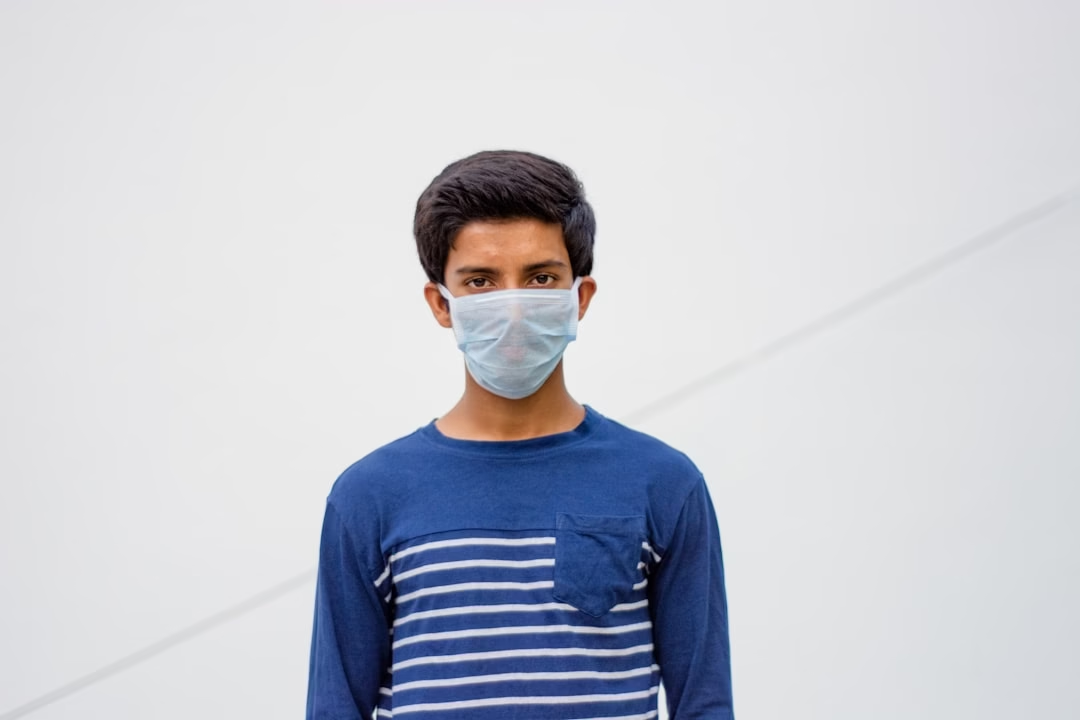
The ResMed AirFit F30i mask offers comfortable options for changing facial structures. Following UAE government healthcare regulations ensures proper equipment disposal and replacement. Establishing good maintenance habits during adolescence supports lifelong health management.
Adolescent Chronic Respiratory Disease Advantages
Despite challenges, modern management of adolescent chronic respiratory disease offers significant advantages. Early intervention during teenage years can prevent permanent lung damage. Advanced treatments and equipment support near-normal activity levels. Furthermore, developing self-management skills builds resilience and problem-solving abilities. These advantages extend into adulthood and overall life satisfaction.
Technological advancements provide unprecedented support for active lifestyles. Portable oxygen concentrators enable participation in sports and social activities. Discreet CPAP machines facilitate sleepovers and travel. Mobile apps track symptoms and medication use. These tools help teens feel more in control of their condition rather than controlled by it.
Comprehensive respiratory equipment and products address diverse needs and preferences. The World Health Organization respiratory health guidelines emphasize holistic approaches. Combining medical care with psychosocial support maximizes these advantages for adolescents.
Common Questions and Concerns
Families often have questions about sports participation with respiratory conditions. Generally, most sports are possible with proper management and precautions. Swimming often benefits lung function, while cold-weather sports may require extra planning. Coaches should understand the teen’s condition and emergency procedures. Medical clearance ensures safe participation based on individual capabilities.
Peer pressure and medication adherence are frequent concerns. Teens may resist treatments that make them feel different from friends. Open discussions about balancing health needs with social desires are essential. Problem-solving together builds trust and cooperation. Additionally, connecting with other teens facing similar challenges reduces feelings of isolation.
Transition to adult care raises many questions about timing and process. Starting discussions early reduces anxiety for teens and parents. Visiting the adult clinic beforehand familiarizes everyone with the new environment. The UAE Ministry of Health medical standards support structured transition programs. These resources help families navigate this important milestone.
Expert Recommendations and Support
Healthcare experts recommend starting transition planning around age 14. This timeline allows gradual skill development before legal adulthood. Creating a transition portfolio with medical history, current treatments, and emergency plans is helpful. Including the teen in medical appointments prepares them for independent communication with providers. These steps build confidence and competence over time.
For sports participation, experts suggest individualized assessment and preparation. Pulmonary function tests before intense activities establish safe parameters. Having rescue medications readily available is essential. Learning to recognize early warning signs prevents serious complications. Furthermore, proper warm-up and cool-down routines support respiratory health during exercise.
Managing peer pressure involves both practical strategies and emotional support. Discreet medication options and equipment help teens feel less conspicuous. Role-playing responses to questions builds confidence. Additionally, contact our respiratory specialists for personalized advice. The Dubai Health Authority healthcare guidelines also provide valuable resources for families.
Frequently Asked Questions
When should transition to adult care begin? Ideally around age 14, allowing several years for gradual skill development and preparation.
Can teens with chronic respiratory disease play sports? Yes, most can participate with proper management, medical clearance, and appropriate precautions.
How can parents support medication adherence? Through open communication, gradual responsibility transfer, and using reminders or apps.
What resources help with adolescent chronic respiratory disease management? Healthcare teams, support groups, educational materials, and reliable equipment providers.
How does peer pressure affect treatment compliance? It can significantly impact adherence, making discretion and coping strategies important.
Where can I find appropriate respiratory equipment? Specialized providers like Oxydubai offer respiratory equipment and products suitable for adolescent needs.
Conclusion
Managing adolescent chronic respiratory disease requires comprehensive approaches addressing medical, developmental, and social needs. The transition from pediatric to adult care represents a critical milestone. With proper planning and support, teens can develop the skills for successful self-management. Sports participation is generally achievable with appropriate precautions and monitoring.
Peer pressure and treatment compliance present significant challenges during adolescence. However, practical strategies and emotional support can mitigate these difficulties. Modern equipment options provide greater discretion and portability than ever before. Consequently, teens can maintain active social lives while managing their health effectively.
Ultimately, successful management of adolescent chronic respiratory disease sets the foundation for healthy adulthood. It builds resilience, self-advocacy skills, and health literacy. Families navigating this journey in the UAE can access excellent healthcare resources and support systems. For personalized guidance, contact our respiratory specialists today.

