

Acupuncture and Sleep Apnea: Is There Any Proof?
Introduction
Sleep apnea disrupts the lives of millions worldwide. This condition causes repeated breathing interruptions during sleep. Consequently, it leads to chronic fatigue and serious health risks. Many patients seek alternatives to standard treatments like CPAP machines. They often explore complementary therapies for better management.
Traditional Chinese medicine offers one such alternative. Specifically, acupuncture and sleep apnea management are increasingly discussed. However, scientific validation for this approach is crucial. Additionally, understanding its mechanisms and efficacy is essential for informed decisions.
This guide examines the evidence behind this ancient practice. Furthermore, it explores how acupuncture might alleviate sleep apnea symptoms. We will analyze clinical studies and traditional principles. This provides a comprehensive view of its potential role in sleep medicine.
Understanding Acupuncture and Sleep Apnea
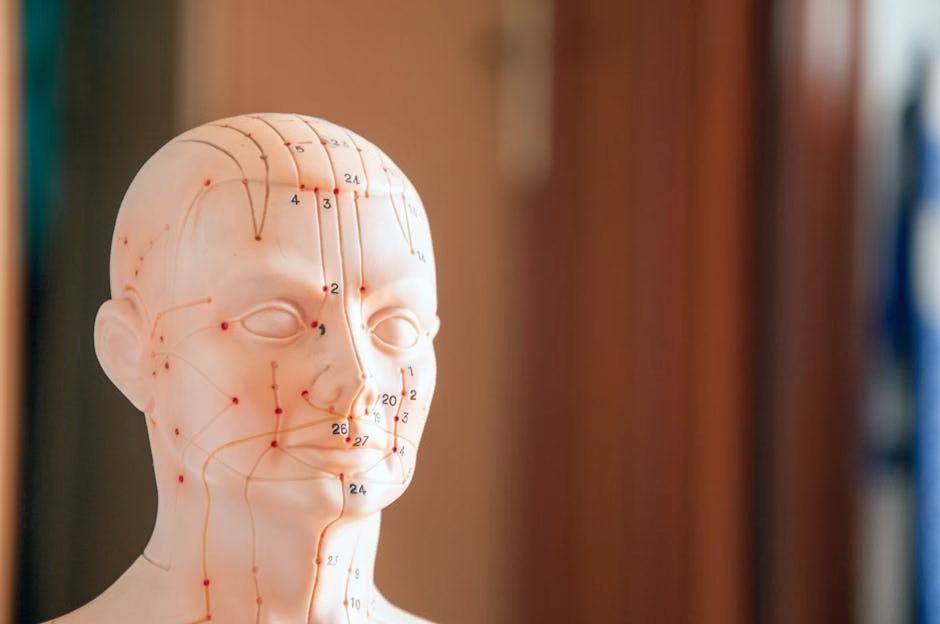
Acupuncture involves inserting fine needles into specific body points. It aims to restore balance and promote natural healing. Traditional theory centers on Qi, the body’s vital energy. This energy flows through pathways known as meridians.
Sleep apnea primarily involves obstructed breathing during sleep. It often relates to relaxed throat muscles blocking the airway. This causes oxygen drops and frequent awakenings. Standard treatments include devices like the ResMed AirSense 11 CPAP machine.
Acupuncture theoretically addresses sleep apnea through multiple pathways. It may improve respiratory muscle tone and reduce inflammation. Additionally, it can modulate the nervous system to stabilize breathing. Therefore, it offers a holistic approach to a complex disorder.
Acupuncture and Sleep Apnea Benefits
Research suggests several potential advantages. First, acupuncture may reduce the frequency of apnea events. This directly improves sleep quality and oxygenation. Patients often report feeling more rested upon waking.
Second, it can alleviate associated symptoms like daytime sleepiness. Moreover, it might help manage hypertension linked to sleep apnea. This is significant for overall cardiovascular health. Many users also experience reduced snoring intensity.
Third, acupuncture offers a non-invasive option for CPAP-intolerant individuals. It can serve as a complementary therapy alongside conventional treatments. For instance, using it with a ResMed AirMini compact CPAP might enhance overall outcomes. Thus, it provides flexibility in treatment planning.
How Acupuncture and Sleep Apnea Works
The physiological mechanisms are under active investigation. One theory involves neurotransmitter regulation. Acupuncture may stimulate serotonin and endorphin release. These chemicals influence sleep architecture and respiratory control.
Another mechanism relates to anti-inflammatory effects. Sleep apnea involves significant systemic inflammation. Acupuncture points might trigger immune responses that reduce this. Consequently, airway inflammation decreases, improving patency.
Furthermore, acupuncture can enhance vagus nerve activity. This nerve controls involuntary functions, including breathing. Stimulating it may prevent airway collapse during sleep. This aligns with World Health Organization respiratory health guidelines on integrative approaches.
Best Acupuncture and Sleep Apnea Practices
Effective treatment requires a qualified practitioner. Always verify credentials and experience with sleep disorders. Licensed acupuncturists with specialized training are ideal. They ensure proper technique and point selection.
Treatment frequency typically starts with weekly sessions. Improvement often appears within four to six weeks. Consistency is crucial for sustained benefits. Additionally, combining acupuncture with lifestyle changes maximizes results.
Point selection often includes Ren-17 and LU-7. These points are associated with respiratory function. Other common points are on the head and limbs. Practitioners tailor choices to individual symptom patterns.
Acupuncture and Sleep Apnea Implementation
Integrating acupuncture into a sleep apnea plan requires coordination. First, maintain your primary medical treatments. For example, continue using your ResMed AirFit F30i mask as prescribed. Acupuncture should complement, not replace, standard care.
Discuss this therapy with your sleep specialist. They can monitor progress through follow-up sleep studies. This objective data helps assess acupuncture’s effectiveness. Moreover, it ensures alignment with UAE Ministry of Health medical standards.
Keep a sleep diary to track subjective improvements. Note changes in energy levels and snoring. Also, record any side effects, though they are rare. This information helps your acupuncturist adjust treatments accordingly.
Advanced Acupuncture and Sleep Apnea Strategies
Electroacupuncture represents a modern enhancement. It applies gentle electrical stimulation to needles. This may strengthen effects on respiratory neurons. Studies show promise for severe apnea cases.
Auricular acupuncture focuses on ear points. It is convenient for ongoing management between sessions. Some patients use small ear seeds for continuous stimulation. This method supports Dubai Health Authority healthcare guidelines on patient self-management.
Combining acupuncture with other therapies can be powerful. For instance, use it alongside a Inogen One G5 portable oxygen concentrator for comprehensive care. This multi-modal approach addresses various aspects of the disorder.
Acupuncture and Sleep Apnea Success Tips
Patience is essential with acupuncture treatments. Unlike CPAP, effects accumulate gradually over time. Stick with the recommended session schedule. Avoid skipping appointments once you start seeing benefits.
Communicate openly with all your healthcare providers. Share your acupuncture experiences with your sleep doctor. Similarly, inform your acupuncturist about any changes in conventional treatment. This coordination is vital for safety and efficacy.
Adopt supportive lifestyle habits alongside acupuncture. Weight management improves sleep apnea significantly. Similarly, avoiding alcohol before bed reduces airway relaxation. These habits complement acupuncture’s effects beautifully.
Future of Acupuncture and Sleep Apnea
Research continues to refine this ancient practice. Larger, more rigorous clinical trials are underway. They aim to establish standardized protocols for sleep apnea. This will help integrate acupuncture into mainstream sleep medicine.
Technological integration is also progressing. Some developers are creating smart acupuncture devices. These could provide personalized point stimulation. They might even sync with ResMed Astral 150 ventilator data for optimized treatment.
Healthcare policy is gradually recognizing acupuncture’s value. This aligns with UAE government healthcare regulations promoting integrative medicine. Insurance coverage for acupuncture may expand as evidence grows.
Frequently Asked Questions
Is acupuncture a proven treatment for sleep apnea?
Current evidence shows promise but is not conclusive. Several studies indicate reduced apnea events and improved sleep quality. However, more large-scale research is needed. Acupuncture works best as part of a comprehensive plan that may include respiratory equipment and products.
How many acupuncture sessions are needed for sleep apnea?
Most patients start with weekly sessions for 4-6 weeks. Maintenance may require bi-weekly or monthly visits. Individual response varies significantly. Your acupuncturist will adjust frequency based on your progress.
Can I stop using my CPAP if I start acupuncture?
No, you should not discontinue CPAP without medical advice. Acupuncture is complementary, not a replacement. Continue using your prescribed device, such as a ResMed AirSense 11 CPAP machine. Always consult your sleep specialist before making changes.
Are there any risks to using acupuncture for sleep apnea?
When performed by a qualified practitioner, risks are minimal. Minor bruising or soreness may occur. Serious complications are extremely rare. Ensure your acupuncturist follows Health Authority Abu Dhabi regulations for safety standards.
Does insurance cover acupuncture for sleep apnea?
Coverage varies by insurer and policy. Some plans in the UAE may offer partial coverage. Check with your provider about specific benefits. Some clinics provide direct billing options for approved cases.
Can acupuncture help with sleep apnea if I use oxygen therapy?
Yes, acupuncture can be safely combined with oxygen therapy. Many patients use both approaches simultaneously. For example, it complements Inogen One G5 portable oxygen concentrator use. Always inform all providers about your complete treatment regimen.
Conclusion
Acupuncture presents a promising complementary approach for sleep apnea. Evidence, while growing, suggests benefits for respiratory function and sleep quality. However, it should not replace conventional treatments without medical guidance.
Integrating acupuncture with standard care offers a holistic path. This combination addresses both physiological and energetic aspects of the disorder. Therefore, patients may experience more comprehensive symptom relief.
If you’re considering this approach, consult qualified professionals. Discuss options with your sleep specialist and a licensed acupuncturist. You can also contact our respiratory specialists for device guidance. Take the first step toward integrative sleep apnea management today.