

Collapsed Lung Home Care – Complete Guide
Medical professionals provide discharge instructions, but implementing them at home can be challenging. Therefore, this guide breaks down the recovery process into manageable steps. From pain management to recognizing warning signs, we cover all essentials. Additionally, we explore how supplemental oxygen can aid healing during this critical period. At Oxydubai, trusted by 10,000+ UAE patients with premium respiratory equipment and products.
Need Respiratory Solutions?
Understanding Collapsed Lung Home Care
Collapsed lung home care begins the moment you leave the hospital. Initially, your lung needs time to heal completely after a pneumothorax. The chest tube site requires diligent cleaning to prevent infection. Furthermore, pain management is essential for comfortable breathing and coughing. Most patients experience discomfort for several weeks post-procedure.
Following your doctor’s medication schedule is non-negotiable. Typically, this includes pain relievers and sometimes antibiotics. Moreover, you must learn proper breathing techniques to expand your lung fully. Deep breathing exercises prevent complications like pneumonia. According to World Health Organization respiratory health guidelines, structured breathing exercises improve recovery outcomes. Using devices like the ResMed AirSense 11 CPAP machine may be recommended in certain cases to support lung function.
Benefits of Pneumothorax Recovery
Proper pneumothorax recovery offers multiple advantages beyond lung healing. Firstly, it restores normal breathing capacity and oxygen levels. Secondly, it reduces the risk of recurrence significantly. Thirdly, it helps you return to daily activities safely. A structured recovery plan prevents long-term complications.
Gradual improvement in energy levels is another key benefit. As your lung heals, fatigue decreases and stamina increases. Additionally, proper recovery minimizes hospital readmissions. The UAE Ministry of Health medical standards emphasize the importance of follow-up care. Patients using appropriate Inogen One G5 portable oxygen concentrator often report smoother recovery transitions.
Collapsed Lung Home Care Features
Effective collapsed lung home care includes several distinctive features. Monitoring your oxygen saturation becomes a daily ritual. Additionally, recognizing early warning signs of complications is crucial. You’ll need to track your breathing patterns and pain levels consistently. This proactive approach catches problems before they escalate.
Another feature involves adapting your home environment for recovery. Creating rest areas with good air circulation supports healing. Furthermore, having emergency contacts readily available provides security. The Dubai Health Authority healthcare guidelines recommend specific home safety measures. Portable devices like the ResMed AirMini compact CPAP offer flexibility during recovery.
Recovery Process Specifications
The pneumothorax recovery process follows specific timelines and benchmarks. Typically, initial healing takes 2-4 weeks for simple cases. However, complete recovery might require 6-8 weeks for larger collapses. Your doctor will outline personalized milestones based on your situation.
Activity restrictions are precisely defined during each recovery phase. For instance, heavy lifting is usually prohibited for 4-6 weeks. Similarly, air travel restrictions apply until your lung fully stabilizes. These specifications align with Health Authority Abu Dhabi regulations for patient safety. Medical equipment such as the ResMed Astral 150 ventilator provides advanced support for complex cases.
Expert Medical Advice?
Setup and Maintenance Requirements
Setting up your home for pneumothorax recovery requires careful planning. First, create a comfortable resting area with easy access to essentials. Position pillows to support breathing and reduce discomfort. Additionally, organize medications and medical supplies within reach.
Maintaining your recovery environment is equally important. Keep your living space clean to prevent respiratory infections. Moreover, ensure good ventilation without exposure to cold drafts. If using oxygen therapy, properly maintain equipment according to manufacturer instructions. Proper mask fitting with devices like the ResMed AirFit F30i mask ensures optimal therapy delivery.
Collapsed Lung Home Care Advantages
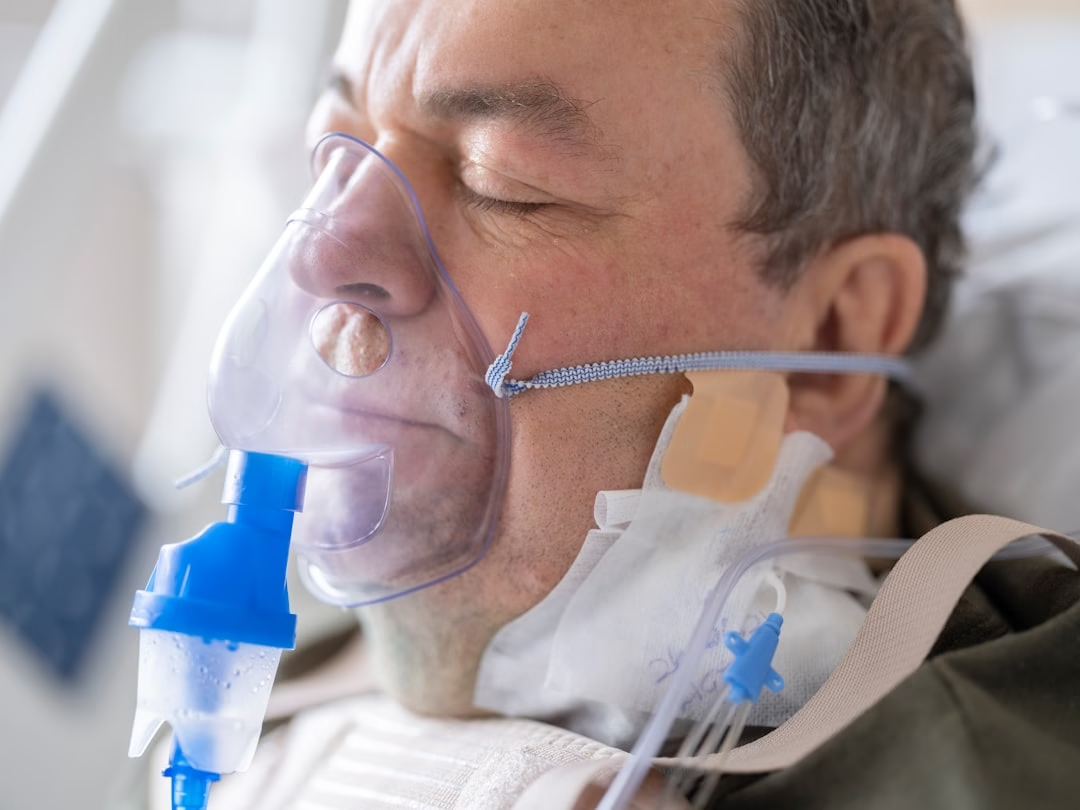
Comprehensive collapsed lung home care offers significant advantages over inadequate recovery approaches. Primarily, it promotes complete lung re-expansion and functional restoration. Secondly, it empowers patients through education and self-monitoring skills. This active participation in recovery often leads to better outcomes.
Another advantage is the reduced burden on healthcare systems. Proper home care decreases emergency visits and readmissions. Furthermore, it helps patients resume normal activities safely and confidently. These advantages are recognized in UAE government healthcare regulations promoting recovery at home. Access to quality respiratory equipment and products supports these benefits effectively.
Common Recovery Questions
Patients typically have numerous questions about pneumothorax recovery. How long until I can return to work? When can I exercise again? What symptoms warrant immediate medical attention? Addressing these concerns reduces anxiety and promotes adherence to recovery protocols.
Sleep position questions are also common. Most doctors recommend sleeping slightly elevated initially. Furthermore, patients wonder about showering with chest tube wounds. Waterproof dressings usually make this possible after specific healing occurs. For persistent questions, contact our respiratory specialists for clarification.
Expert Medical Recommendations
Medical experts emphasize several key recommendations for pneumothorax recovery. First, attend all scheduled follow-up appointments without exception. These visits allow doctors to monitor your progress through imaging and physical examination. Secondly, strictly adhere to activity restrictions even if you feel better.
Another crucial recommendation involves smoking cessation if applicable. Smoking dramatically increases recurrence risk. Additionally, maintain a nutritionally balanced diet to support tissue repair. These recommendations align with international best practices for respiratory recovery. Following them diligently gives you the best chance for full recovery.
Frequently Asked Questions
How long does collapsed lung home care typically last? Most patients require 4-6 weeks of structured home care, though individual timelines vary based on collapse severity and overall health.
When should I use oxygen therapy at home? Use supplemental oxygen as prescribed, typically when oxygen saturation drops below specific levels or during increased activity.
What are the main signs of recurrence? Sudden sharp chest pain, difficulty breathing, rapid heart rate, and cyanosis (bluish skin) indicate possible recurrence requiring immediate attention.
Can I drive during recovery? Most doctors prohibit driving for 2-4 weeks post-discharge, until pain is controlled and mobility improves sufficiently.
How often are follow-up chest X-rays needed? Typically at 2 weeks, 6 weeks, and 3 months post-discharge, though your doctor will customize this schedule.
What constitutes proper collapsed lung home care? It includes wound management, medication adherence, activity modification, symptom monitoring, and attending follow-up appointments.
Conclusion
Successful pneumothorax recovery depends heavily on proper collapsed lung home care. By following medical instructions precisely, monitoring symptoms diligently, and respecting activity restrictions, most patients achieve full recovery. Additionally, understanding when to seek help prevents minor issues from becoming major complications.
Remember that recovery is a gradual process requiring patience. Each week typically brings noticeable improvement if you follow your care plan. Furthermore, having appropriate medical equipment support can significantly enhance comfort and safety during this period. For personalized guidance on respiratory equipment needs during recovery, contact our respiratory specialists.

