5G Remote Patient Monitoring – Complete Guide
Managing respiratory conditions in UAE? The integration of 5G technology with remote patient monitoring is transforming healthcare delivery. This powerful combination offers unprecedented medical benefits through enhanced connectivity and real-time data transmission. Consequently, patients with chronic respiratory conditions can now receive continuous, high-quality care from their homes. The UAE’s advanced digital infrastructure makes it an ideal environment for adopting these innovative healthcare solutions.
At Oxydubai, trusted by 10,000+ UAE patients with premium respiratory equipment and products, we understand the critical importance of reliable connectivity for effective remote care. Our medical devices seamlessly integrate with modern monitoring systems. Therefore, patients experience improved treatment adherence and better health outcomes. The future of respiratory care is here, powered by cutting-edge technology and medical expertise.
Need Respiratory Solutions?
Understanding 5G Remote Patient Monitoring
5G remote patient monitoring represents a significant leap in telehealth capabilities. This technology utilizes fifth-generation wireless networks to transmit medical data. Importantly, it enables healthcare providers to monitor patients’ vital signs continuously. The system collects data from medical devices like the ResMed AirSense 11 CPAP machine. Subsequently, it transmits this information to healthcare professionals in real-time.
The fundamental advantage of 5G technology lies in its remarkable speed and reliability. Unlike previous networks, 5G offers minimal latency. This means data transmission happens almost instantly. For example, when using an Inogen One G5 portable oxygen concentrator, oxygen saturation levels can be monitored without delay. Furthermore, the World Health Organization respiratory health guidelines emphasize the importance of continuous monitoring for respiratory conditions. This technology makes such monitoring practical and efficient.
Benefits of Advanced Telehealth Systems
Advanced telehealth systems powered by 5G offer numerous advantages for patients and healthcare providers. Firstly, they enable early detection of potential health issues. For instance, changes in breathing patterns from a ResMed Astral 150 ventilator can trigger immediate alerts. Consequently, medical interventions can occur before conditions worsen. This proactive approach significantly improves patient safety and outcomes.
Another significant benefit is increased accessibility to specialist care. Patients in remote areas can connect with top respiratory specialists without traveling. Moreover, the UAE government healthcare regulations strongly support digital health initiatives. Therefore, patients across the Emirates can access quality healthcare services regardless of location. This democratization of healthcare represents a major step forward in medical equity.
5G Remote Patient Monitoring Features
5G remote patient monitoring systems incorporate several groundbreaking features. Ultra-low latency ensures real-time data transmission without noticeable delays. This is crucial for critical devices like ventilators and oxygen concentrators. Additionally, high bandwidth supports the simultaneous transmission of multiple data streams. For example, a patient might use both a CPAP machine and a pulse oximeter. Both devices can transmit data concurrently without compromising quality.
Another essential feature is network reliability. 5G networks maintain consistent connections even in crowded urban environments. This reliability is vital for continuous monitoring of chronic conditions. Furthermore, these systems often include sophisticated data analytics capabilities. They can identify trends and patterns in patient data. As a result, healthcare providers can make more informed decisions about treatment adjustments. The UAE Ministry of Health medical standards ensure these systems meet rigorous safety and efficacy requirements.
Telehealth Technology Specifications
Modern telehealth systems require specific technical specifications to function effectively. They typically need minimum upload and download speeds to handle medical data transmission. For instance, high-resolution video consultations require stable connections. Similarly, continuous data streaming from medical devices demands consistent bandwidth. Devices like the ResMed AirMini compact CPAP are designed to work seamlessly with these systems.
Security protocols represent another critical specification. Patient health data requires robust encryption during transmission and storage. Additionally, systems must comply with data protection regulations. The Dubai Health Authority healthcare guidelines provide detailed requirements for health data management. Moreover, interoperability standards ensure different devices and systems can communicate effectively. This allows patients to use various medical devices from manufacturers like ResMed and Inogen within the same monitoring ecosystem.
Expert Medical Advice?
Setup and Maintenance Requirements
Proper setup is crucial for effective remote monitoring systems. Initially, patients need compatible medical devices and a reliable 5G connection. For example, the ResMed AirFit F30i mask must be correctly paired with monitoring software. Subsequently, healthcare providers configure the system according to individual patient needs. This personalized approach ensures optimal monitoring and care.
Regular maintenance ensures system reliability and accuracy. Patients should perform basic checks on their medical devices daily. Additionally, software updates must be installed promptly. These updates often include security patches and performance improvements. Furthermore, periodic calibration of medical devices maintains measurement accuracy. The Health Authority Abu Dhabi regulations provide guidelines for maintaining medical equipment. Therefore, following these guidelines helps ensure consistent, reliable performance.
5G Remote Patient Monitoring Advantages
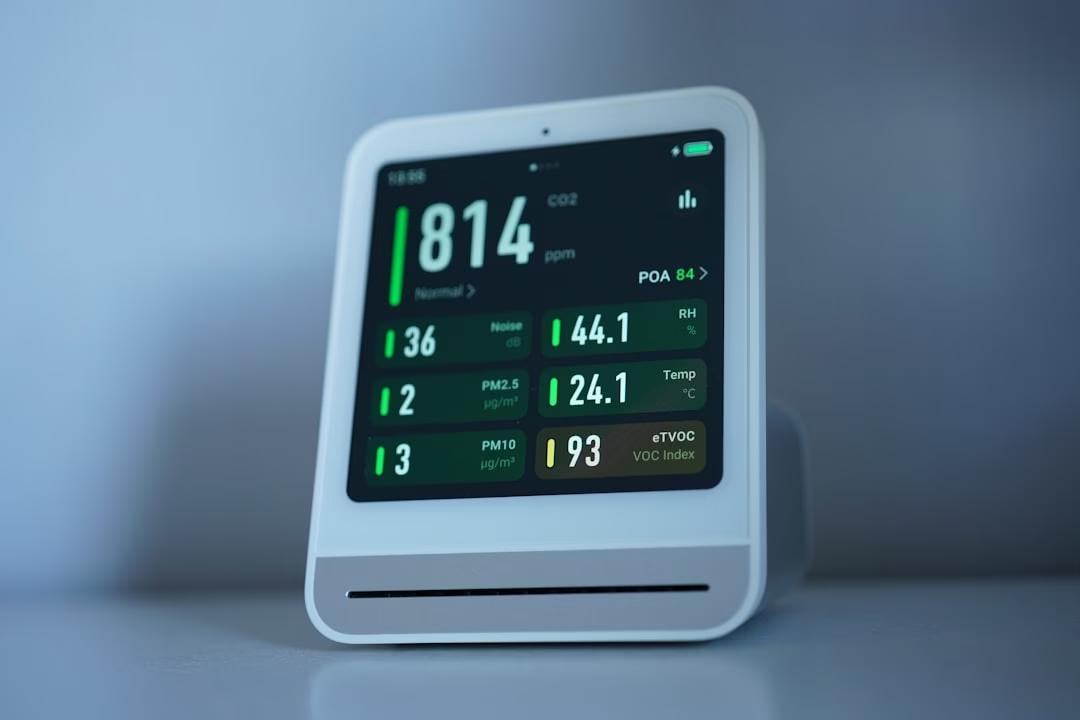
The advantages of 5G remote patient monitoring extend across multiple dimensions. Clinically, it enables more responsive and personalized care. Healthcare providers can adjust treatments based on real-time data. For instance, oxygen flow rates can be modified remotely if saturation levels change. This dynamic approach often leads to better disease management and improved quality of life.
From an economic perspective, these systems reduce healthcare costs significantly. They minimize hospital readmissions and emergency room visits. Moreover, they optimize healthcare resource utilization. Patients spend less time traveling to appointments. Consequently, they can maintain their daily routines with minimal disruption. The efficiency gains benefit both healthcare systems and patients alike. This makes 5G remote patient monitoring a sustainable solution for modern healthcare challenges.
Common Questions About Remote Monitoring
Many patients have questions about transitioning to remote monitoring systems. A common concern involves data privacy and security. Modern systems employ advanced encryption protocols to protect patient information. Additionally, they comply with strict regulatory standards. Another frequent question involves technical requirements. Patients typically need a stable internet connection and compatible devices. Fortunately, most modern medical devices support remote monitoring capabilities.
Cost represents another common consideration. Many insurance providers now cover remote monitoring services. Furthermore, the long-term savings often offset initial setup costs. Patients also wonder about the learning curve involved. Modern systems are designed for user-friendliness. Most patients become comfortable with the technology quickly. For additional support, they can always contact our respiratory specialists.
Expert Recommendations for Implementation
Healthcare experts recommend a phased approach to implementing remote monitoring systems. Begin with a comprehensive assessment of patient needs and existing infrastructure. Then, select appropriate medical devices and software platforms. Training for both patients and healthcare providers is essential for successful adoption. Additionally, establish clear protocols for responding to alerts and data trends.
Ongoing evaluation ensures the system continues to meet patient needs effectively. Regular feedback from patients and providers helps identify areas for improvement. Moreover, staying updated with technological advancements allows for continuous enhancement of monitoring capabilities. Following these expert recommendations maximizes the benefits of remote monitoring while minimizing potential challenges.
Frequently Asked Questions
How does 5G improve remote patient monitoring? 5G offers faster speeds, lower latency, and more reliable connections than previous networks. This enables real-time data transmission and more responsive care.
Is my health data secure with remote monitoring? Yes, reputable systems use advanced encryption and comply with strict data protection regulations to ensure patient privacy.
What equipment do I need for 5G remote patient monitoring? You need compatible medical devices and a stable 5G internet connection. Specific requirements depend on your health condition and monitoring needs.
Can elderly patients use these systems effectively? Absolutely. Modern systems are designed with user-friendly interfaces. Additionally, family members or caregivers can provide assistance if needed.
How does 5G remote patient monitoring work with CPAP machines? CPAP machines with monitoring capabilities can transmit usage data and therapy effectiveness to healthcare providers through 5G networks.
Are there additional costs for remote monitoring services? Costs vary depending on the specific system and services. Many insurance providers now cover remote monitoring for qualifying conditions.
5G remote patient monitoring represents a transformative advancement in healthcare delivery. This technology enables continuous, high-quality care for patients with respiratory and other chronic conditions. The combination of real-time data transmission, enhanced connectivity, and sophisticated medical devices creates a comprehensive ecosystem for modern healthcare. Consequently, patients experience improved outcomes and greater convenience.
The future of healthcare increasingly relies on digital solutions that bridge distances between patients and providers. As technology continues to evolve, we can expect even more sophisticated monitoring capabilities. Therefore, embracing these innovations today positions patients and healthcare systems for success tomorrow. For those considering implementing 5G remote patient monitoring, the time to explore these possibilities is now. The benefits for patient care and quality of life are too significant to ignore.