

Oxygen Therapy for COPD Patients in Dubai: Complete Treatment Guide 2025
Oxygen Therapy for COPD
Understanding Oxygen Therapy for COPD
COPD progressively damages lung function and impairs oxygen exchange. Therefore, supplemental oxygen becomes necessary for many patients. This treatment delivers concentrated oxygen through specialized devices. It directly addresses the blood oxygen deficiencies caused by compromised lung function. Additionally, proper oxygen therapy can prevent serious complications from hypoxemia.
Treatment plans must be carefully personalized for each individual. Generally, pulmonologists determine specific flow rates and usage durations. These prescriptions depend on comprehensive pulmonary function tests and blood gas analysis. Meanwhile, technological advancements continue to improve device efficiency and patient comfort. For instance, modern respiratory equipment and products offer unprecedented mobility and reliability for Dubai residents managing chronic respiratory conditions.
Oxygen Therapy for COPD Benefits
Properly administered oxygen treatment delivers multiple significant advantages. First, it dramatically increases survival rates for eligible patients. Consequently, it reduces hospitalization frequency and duration. Moreover, it enhances physical endurance and mental alertness. Patients typically experience improved sleep quality and daily functioning.
Supplemental oxygen also protects vital organs from damage. Specifically, it prevents right-sided heart failure, a common COPD complication. Additionally, it reduces breathlessness during routine activities. Thus, patients maintain greater independence and life participation. The World Health Organization respiratory health guidelines strongly endorse oxygen therapy as essential management for appropriate COPD cases.
How Oxygen Therapy for COPD Works
Medical oxygen administration requires precise delivery systems. Typically, concentrators extract oxygen from ambient air. These devices then deliver it through nasal cannulas or masks. Meanwhile, portable units enable mobility while maintaining therapeutic oxygen levels. Consequently, patients can continue daily activities without interruption.
Advanced systems like the ResMed AirSense 11 CPAP machine offer sophisticated monitoring capabilities. These devices automatically adjust pressure support as needed. Furthermore, they track usage patterns and therapy effectiveness. This data helps physicians optimize treatment parameters during follow-up consultations. The UAE government healthcare regulations ensure all medical devices meet stringent safety and efficacy standards.
Best Oxygen Therapy for COPD Practices
Successful respiratory treatment requires consistent adherence to medical guidelines. Patients must use oxygen for the prescribed duration each day. Particularly, overnight usage often proves most beneficial. Additionally, proper equipment maintenance ensures reliable performance and safety. Regular cleaning prevents infections and maintains optimal function.
Portable solutions like the Inogen One G5 portable oxygen concentrator enable active lifestyles. These devices allow patients to maintain therapy while traveling throughout Dubai. Moreover, they provide peace of mind through battery backup systems. The UAE Ministry of Health medical standards govern all aspects of respiratory care delivery and device certification.
Oxygen Therapy for COPD Implementation
Implementing effective oxygen treatment involves multiple crucial steps. First, comprehensive diagnostic testing establishes therapeutic requirements. Then, physicians determine appropriate equipment specifications and flow rates. Subsequently, patients receive thorough equipment operation training. This ensures proper usage and safety awareness.
Travel-friendly devices like the ResMed AirMini compact CPAP facilitate treatment consistency. These compact systems easily accompany patients during business trips or vacations. Furthermore, they maintain therapy effectiveness despite environmental changes. The Dubai Health Authority healthcare guidelines provide comprehensive frameworks for respiratory treatment implementation across the emirate.
Advanced Oxygen Therapy for COPD Strategies
Modern respiratory care incorporates sophisticated technological solutions. High-flow nasal oxygen systems provide enhanced comfort and efficacy. Meanwhile, non-invasive ventilation supports patients during exacerbations. Additionally, integrated monitoring systems track oxygen saturation continuously. These advancements enable proactive treatment adjustments.
Critical care devices like the ResMed Astral 150 ventilator offer life-support capabilities. These systems manage the most severe respiratory insufficiency cases. Moreover, they provide versatile operation modes for changing clinical needs. The Health Authority Abu Dhabi regulations ensure consistent care standards across UAE healthcare facilities.
Oxygen Therapy for COPD Success Tips
Achieving optimal treatment outcomes requires patient dedication and proper support. First, establish consistent daily routines for equipment usage. Additionally, keep emergency contact information readily accessible. Meanwhile, maintain regular follow-up appointments with respiratory specialists. These visits allow necessary treatment modifications based on progress.
Comfortable interfaces like the ResMed AirFit F30i mask improve therapy compliance. Proper fit prevents air leaks and skin irritation. Consequently, patients experience better rest and daytime oxygen saturation levels. For personalized assistance, contact our respiratory specialists who understand Dubai’s unique environmental factors affecting COPD management.
Future of Oxygen Therapy for COPD
Respiratory treatment technology continues evolving rapidly. Smaller, more efficient concentrators are entering the market. Meanwhile, artificial intelligence integration enables predictive therapy adjustments. Additionally, remote monitoring capabilities are expanding significantly. These innovations will further personalize treatment approaches.
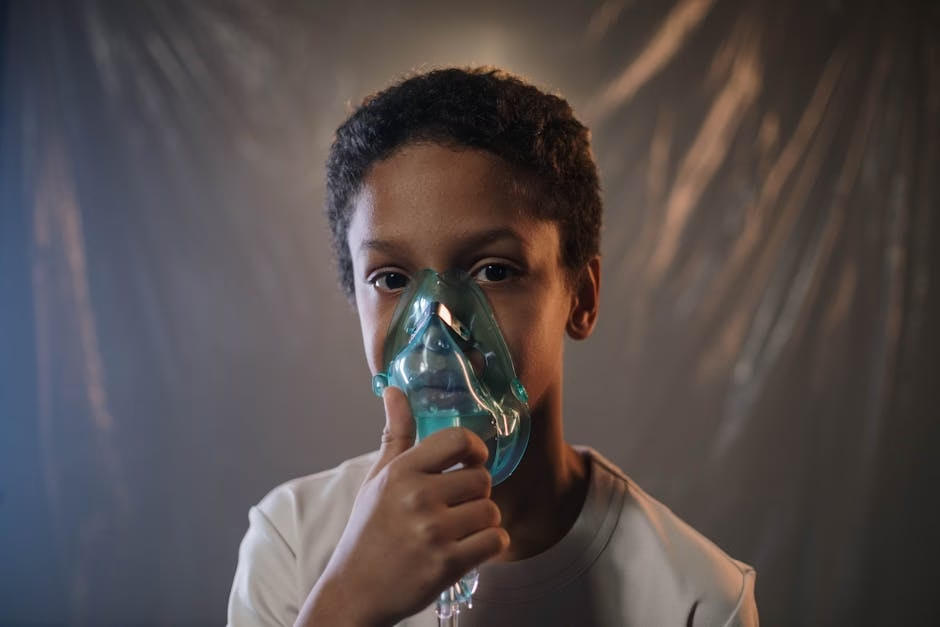
Gene therapies and regenerative medicine may eventually transform COPD management. However, oxygen treatment will remain fundamental for foreseeable future. Consequently, technological refinements will focus on enhanced portability and intelligence. Dubai’s healthcare sector continues adopting these advancements promptly. Thus, patients can expect progressively improved treatment experiences and outcomes.
Frequently Asked Questions
How many hours daily should COPD patients use oxygen therapy?
Medical prescriptions vary individually based on oxygen saturation levels. Generally, most patients require 15+ hours daily, including during sleep. Consequently, portable oxygen concentrators become essential for maintaining therapy outside home environments.
Can I travel with oxygen equipment in Dubai?
Yes, portable oxygen concentrators are approved for travel throughout the UAE. However, always notify airlines and transportation services in advance. Additionally, carry your physician’s prescription and device documentation during travel.
What oxygen flow rate is typical for COPD management?
Flow rates typically range from 1-5 liters per minute during rest. However, rates may increase during physical activity. Importantly, never adjust your flow rate without medical supervision, as improper levels can be dangerous.
Does insurance cover oxygen therapy equipment in Dubai?
Most comprehensive health insurance plans in the UAE cover necessary respiratory equipment. However, coverage details vary between providers and policy levels. Therefore, always verify specific coverage with your insurance company before purchasing equipment.
How often should oxygen equipment be serviced?
Stationary concentrators require professional servicing every 6-12 months. Meanwhile, portable devices need checking every 3-6 months with heavy use. Additionally, perform daily equipment inspections and weekly cleaning according to manufacturer instructions.
What are the signs that my oxygen therapy needs adjustment?
Watch for increased shortness of breath, morning headaches, or fatigue. Additionally, swelling in ankles or fingers may indicate insufficient oxygenation. Furthermore, changes in exercise tolerance warrant immediate medical consultation for potential therapy modifications.
Conclusion
Effective respiratory management significantly enhances life quality for COPD patients in Dubai. Modern Oxygen Therapy for COPD incorporates advanced technology and evidence-based protocols. This comprehensive approach enables active, fulfilling lifestyles despite respiratory challenges. Additionally, Dubai’s robust healthcare infrastructure supports optimal treatment implementation. Therefore, patients can confidently pursue their personal and professional activities.
Commitment to prescribed therapy remains essential for achieving best outcomes. Meanwhile, technological advancements continue improving treatment convenience and effectiveness. Consequently, patients should maintain regular communication with healthcare providers. This ensures therapy remains optimized as new options emerge. Take the next step toward better respiratory health by consulting with specialists who can personalize your Oxygen Therapy for COPD management plan according to Dubai’s latest 2025 medical standards and environmental considerations.