

Oxygen Concentrator Dubai Humidity – Complete Guide for UAE Patients
Introduction
Searching for oxygen therapy equipment in Dubai? Understanding Oxygen Concentrator Dubai Humidity interactions is crucial for reliable care. Oxygen concentrators are vital medical devices that extract oxygen from ambient air. Consequently, they provide therapeutic oxygen to patients with chronic respiratory conditions. In the UAE, environmental factors like high humidity during the rainy season can influence equipment performance. Therefore, patients and caregivers must be aware of these effects to ensure safety and efficacy.
Medical benefits of consistent oxygen therapy are well-documented. They include improved sleep, increased energy levels, and enhanced mental clarity. Moreover, proper oxygen levels can reduce hospital admissions for COPD and heart failure patients. In Dubai’s unique climate, managing your device becomes part of managing your health. For instance, the humid summer and occasional rainy season create specific challenges for electronic medical equipment.
At OxyDubai, trusted by 10,000+ UAE patients with premium respiratory equipment and products and medical equipment rental in Dubai, we provide expert guidance. This comprehensive guide explores how humidity affects your concentrator. Furthermore, it offers practical solutions for maintaining optimal performance year-round.
Need Respiratory Equipment in Dubai?
Understanding Oxygen Concentrator Dubai Humidity
An oxygen concentrator Dubai humidity relationship centers on how moisture impacts the machine’s core function. All concentrators use a process called pressure swing adsorption. First, they draw in room air. Then, they filter out nitrogen to deliver purified oxygen. High humidity means the air contains more water vapor. This excess moisture can potentially affect internal filters and sieve beds.
Most modern concentrators have built-in protective measures. For example, they feature inlet filters that trap dust and some moisture. However, extremely humid air can overwhelm these filters. Consequently, moisture may reach the molecular sieve material. Over time, this can reduce its ability to separate gases efficiently. Adhering to the World Health Organization respiratory health guidelines for equipment care is essential in any climate.
Manufacturers design devices for specific environmental operating ranges. Typically, they specify a maximum relative humidity, often around 85%. Dubai’s indoor humidity during the rainy season can sometimes approach this limit. Therefore, placement and room ventilation become key factors. In addition, using a dehumidifier in the same room can create a more stable environment for your medical device.
Patients should monitor their device’s flow indicator and alarm systems. Modern units like the Inogen Rove 6 portable oxygen concentrator have advanced sensors. These sensors can alert users to potential performance issues related to environmental factors.
Benefits of Oxygen Therapy Devices
Oxygen concentrators offer transformative benefits for patients with respiratory limitations. Primarily, they provide freedom and independence compared to oxygen tanks. Users can travel and engage in daily activities without constant refills. Moreover, they deliver a continuous, reliable supply of medical-grade oxygen. This consistency is vital for managing chronic conditions effectively.
In the UAE context, having a dependable device supports an active lifestyle. Patients can maintain their therapy at home, in the car, or at work. Furthermore, modern devices are remarkably energy-efficient. They run on standard household power or batteries. As a result, operating costs are lower than managing cylinder deliveries, especially in remote areas.
These devices also enhance safety by eliminating combustion risks from pure oxygen environments. They produce oxygen on-demand from the surrounding air. Therefore, there is no large stored volume of high-pressure gas. This feature aligns with general home safety recommendations during all seasons.
The psychological benefit is significant too. Patients experience less anxiety about running out of oxygen. This peace of mind improves overall quality of life. For comprehensive respiratory care, explore our range of respiratory equipment and products designed for UAE living.
Oxygen Concentrator Dubai Humidity Features
When evaluating an oxygen concentrator Dubai humidity resilience, certain features are non-negotiable. Firstly, look for a device with a high-quality, washable inlet filter. This first line of defense catches moisture and dust before air enters the compressor. Secondly, check the manufacturer’s stated operating humidity range. A wider range, such as 10-95% relative humidity, indicates robust internal protection.
Advanced devices include humidity indicators or warnings. Some models even have auto-shutoff features if internal moisture reaches a critical level. These protections prevent damage to the sensitive sieve bed. Complying with Dubai Health Authority healthcare guidelines means using medically approved devices with clear environmental specifications.
Portable models designed for active use often have enhanced sealing. This sealing protects internal components from sudden environmental changes. For example, moving from an air-conditioned car into humid outdoor air. The Inogen Rove 6 is engineered for such variability, making it a strong choice.
Additionally, consider units with easily accessible service points. Regular maintenance, like filter changes, is more critical in humid climates. Finally, ensure your supplier provides local service and support. OxyDubai offers expert advice and maintenance services tailored to the Gulf region’s unique conditions.
Device Options and Specifications
Choosing the right concentrator involves matching specifications to your needs and environment. There are two main categories: stationary and portable. Stationary units, or home concentrators, deliver higher flow rates, typically up to 10 liters per minute. They are designed for 24/7 operation but rely on mains power. In humid conditions, ensure the unit has ample airflow clearance and is not placed against a wall.
Portable Oxygen Concentrators (POCs) are smaller, lighter, and battery-powered. They are ideal for maintaining therapy outside the home. However, their compact size means filters may need more frequent attention in dusty or humid weather. Review the UAE Ministry of Health medical standards for importing and using medical devices to ensure compliance.
Key specifications to compare include oxygen purity (should remain above 87% at all flow rates), noise level, and weight. Importantly, scrutinize the environmental operating range. Look for a temperature range of 10-40°C and a humidity range that exceeds Dubai’s average. A device with a built-in battery charger is also advantageous, as humidity can affect external charging ports.
For patients requiring higher flow rates or non-invasive ventilation, a Philips DreamStation BiPAP ST machine may be part of a broader therapy plan. Always consult with a specialist to select the correct device for your clinical and lifestyle requirements.
Get a Free Expert Recommendation
Setup and Maintenance Guide
Proper setup and diligent maintenance are your best defenses against humidity-related issues. First, place your concentrator in a well-ventilated, dry area of your home. Avoid bathrooms, kitchens, or any room with frequent steam. Ideally, keep it in an air-conditioned space where temperature and humidity are controlled. Moreover, ensure at least 6-12 inches of clearance on all sides for adequate airflow.
Follow the manufacturer’s filter cleaning schedule religiously. In Dubai’s climate, you may need to check and clean the inlet filter weekly during humid months. Simply wash it with mild soap and water, then let it dry completely before reinserting. Never operate the device without its filter. Additionally, inspect the exterior for any condensation, especially after transporting it.
Schedule professional servicing at least once a year. A technician will check internal filters, sieve beds, and oxygen sensors. This service is crucial for detecting moisture intrusion early. Furthermore, keep the device’s power cord and connections dry. Use a surge protector to guard against voltage fluctuations common during UAE thunderstorms.
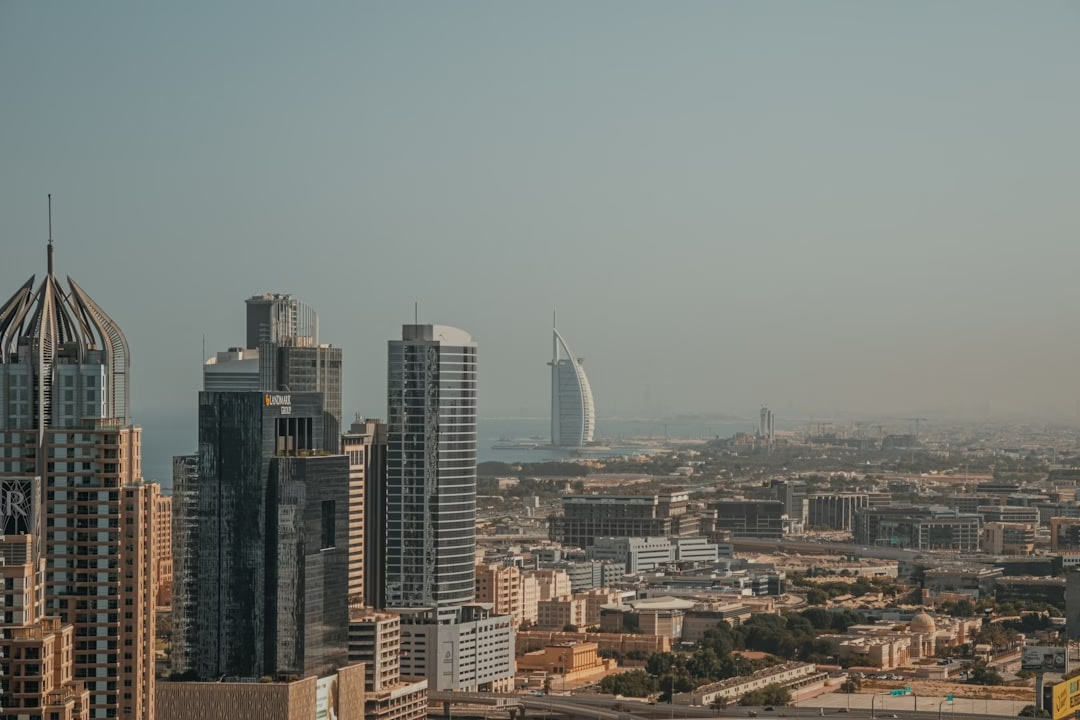
For backup needs or short-term use, consider our medical equipment rental in Dubai service. This option ensures you have access to a well-maintained device while yours is being serviced or if you have visitors who need therapy.
Oxygen Concentrator Dubai Humidity for UAE Patients
For UAE patients, managing oxygen concentrator Dubai humidity challenges is part of long-term health strategy. The rainy season, while brief, can bring sudden spikes in atmospheric moisture. These spikes coincide with cooler temperatures that may lead people to turn off air conditioning. Consequently, indoor humidity can rise quickly, affecting sensitive electronics.
Patients should develop a seasonal checklist. This list includes verifying filter condition before the humid period and ensuring the device is not near open windows. Understanding local UAE government healthcare regulations regarding medical device use at home is also important for compliance and safety.
Investing in a simple hygrometer to monitor room humidity is a wise step. If levels consistently exceed 70%, consider using a room dehumidifier. Importantly, never cover the concentrator’s vents with cloths or place items on top of it. Adequate airflow is essential for cooling and preventing internal condensation.
For patients who are very active or travel between emirates, a robust portable unit is key. Devices like the Inogen Rove 6 are tested for performance in various conditions. Building a relationship with a local specialist provider ensures you get timely advice and service tailored to the region’s climate.
Common Questions and Concerns
Many users worry that humidity will dilute the oxygen output. However, oxygen concentrators measure oxygen concentration by volume, not weight. Therefore, humid air does not directly lower the oxygen percentage they produce. The primary risk is physical damage to components from prolonged moisture exposure. Refer to the Health Authority Abu Dhabi regulations for guidelines on medical device safety in home settings.
Another common concern is noise changes. If the compressor sound becomes labored or different, it could indicate a clogged filter struggling with moist air. Address this immediately by cleaning or replacing the filter. Furthermore, alarms for low purity or high pressure might activate more frequently in extreme humidity. Understand what each alarm means by consulting your manual.
Patients also ask about using concentrators during power outages common in storms. Always have a backup power plan, such as a fully charged battery for a POC or an uninterruptible power supply (UPS) for a stationary unit. Importantly, never use a gasoline generator indoors due to carbon monoxide risk.
For complex conditions requiring versatile support, technologies like the BMC BPAP G2S B25VT/B30VT bilevel ventilator offer advanced features. Discuss all concerns with your pulmonologist and equipment provider to create a holistic management plan.
Expert Recommendations
OxyDubai’s respiratory specialists provide clear recommendations for UAE residents. First, prioritize purchasing a device from a reputable brand with a proven track record in varied climates. These devices undergo rigorous environmental testing. Second, establish a consistent maintenance routine tied to the local calendar, not just usage hours.
We strongly advise using genuine manufacturer filters and parts. Counterfeit filters may not provide adequate protection against fine dust and moisture. Moreover, keep your device’s serial number and warranty information handy. This practice facilitates faster service if needed.
Consider the total cost of ownership, including filter replacements and potential servicing. Sometimes, a slightly higher upfront cost for a more robust model saves money on repairs later. Additionally, ensure anyone in your household who assists you knows basic troubleshooting steps.
Finally, stay informed. Subscribe to updates from your provider for tips relevant to the upcoming season. For personalized advice, don’t hesitate to contact our respiratory specialists. We are here to ensure your oxygen therapy is effective, safe, and uninterrupted throughout the year.
Frequently Asked Questions
Does Dubai’s high humidity damage my oxygen concentrator?
High humidity alone rarely causes immediate damage, but prolonged exposure can degrade internal components like the sieve bed. Modern devices have protective filters. However, consistent exposure to very humid air (above 85% RH) can reduce efficiency and trigger alarms. Regular filter maintenance and keeping the unit in a climate-controlled room are the best preventive measures. For devices suited to the local climate, browse our respiratory equipment and products.
How often should I clean the filter during the rainy season?
During periods of high humidity, check and potentially clean the inlet filter every week. If the filter appears damp or dirty, clean it immediately with mild soap and water. Always ensure the filter is completely dry before reinstalling it. A clogged filter makes the compressor work harder and can lead to overheating.
Can I use a dehumidifier in the same room as my concentrator?
Yes, using a dehumidifier is an excellent idea. It helps maintain a stable environment within the device’s recommended operating range. Place the dehumidifier a few feet away from the concentrator to avoid directly pulling dry air from the concentrator’s exhaust. This setup can prolong the life of the internal molecular sieve.
What should I do if my concentrator alarms during humid weather?
First, consult your user manual to identify the specific alarm. Common alarms during humidity are “Check Filter” or “Service Required.” Turn off the device, check and clean the inlet filter, and ensure all vents are unobstructed. If the alarm persists, move the device to a cooler, less humid area and restart it. Contact your supplier if the alarm continues.
Is it safe to transport my portable concentrator in a humid car?
Transportation is generally safe, but avoid leaving the device in a parked, non-air-conditioned car for extended periods. The interior of a car can become extremely hot and humid, which may stress the electronics and battery. When transitioning from a cool car to humid outdoor air, allow the device a few minutes to acclimatize before turning it on.
Should I turn off my concentrator when not in use during very humid days?
If you are not using it for an extended period (several hours), it is advisable to turn it off and unplug it. This action protects the electronics from potential power surges that can accompany humid thunderstorms. For short breaks, leaving it on is fine, as the internal airflow helps keep components dry.
Conclusion
Managing your oxygen concentrator Dubai humidity concerns is entirely achievable with knowledge and preparation. Humidity can affect performance, but modern devices are built to withstand a range of conditions. The key lies in proactive maintenance, correct placement, and understanding your device’s specifications. Consequently, you can ensure uninterrupted, high-quality oxygen therapy throughout Dubai’s seasonal changes.
Remember, your concentrator is a medical lifeline. Treating it with care in challenging environments protects your health investment. Furthermore, partnering with a local expert like OxyDubai provides ongoing support tailored to the region. We help you navigate not just humidity, but all aspects of respiratory equipment care.
Do not let environmental worries compromise your therapy. Instead, use this guide to create a simple, effective care routine. For those seeking new equipment, our selection is designed with the UAE climate in mind. Explore our full range of respiratory equipment and products to find the perfect match for your needs.
If you have specific questions about your current device or are looking to upgrade, our team is ready to assist. Contact our respiratory specialists today for personalized advice and ensure your oxygen therapy remains effective, reliable, and safe all year round.