

Portable Oxygen Concentrator Liquid Oxygen – Complete Guide for UAE Patients
Introduction
Need respiratory equipment in Dubai? Choosing between a portable oxygen concentrator and liquid oxygen is a critical decision for respiratory patients in the UAE. This comparison directly impacts independence, travel freedom, and quality of life. Essentially, both systems deliver vital supplemental oxygen to manage conditions like COPD. However, their mechanisms, logistics, and suitability differ significantly. For patients across Dubai, Abu Dhabi, and the wider Emirates, understanding these differences is the first step toward empowered health management.
Portable oxygen concentrators (POCs) are electronic devices that filter nitrogen from the air. Consequently, they provide a continuous, on-demand stream of oxygen. Conversely, liquid oxygen systems store oxygen in a super-cooled, dense liquid form within a portable tank. Each system offers distinct advantages regarding mobility, oxygen purity, and operational cost. Therefore, the “better” option depends entirely on the patient’s specific medical needs, activity level, and lifestyle.
In the UAE’s unique environment, factors like extreme heat, frequent travel, and local regulations play a crucial role. For instance, a device’s battery life and heat tolerance are vital considerations. At OxyDubai, trusted by 10,000+ UAE patients, we provide premium respiratory equipment and products and reliable medical equipment rental in Dubai. Our goal is to guide you to the perfect solution for your health and freedom.
Need Respiratory Equipment in Dubai?
Understanding Portable Oxygen Concentrator Liquid Oxygen
The core distinction between a portable oxygen concentrator and liquid oxygen lies in oxygen sourcing and storage. Firstly, a POC is a self-contained, electrically powered medical device. It draws in room air, removes nitrogen through a molecular sieve, and delivers concentrated oxygen directly to the user. Models like the Inogen Rove 6 portable oxygen concentrator exemplify modern, lightweight designs. These devices typically offer both continuous flow and pulse-dose settings for efficiency.
In contrast, a liquid oxygen system consists of a large stationary reservoir and a smaller, portable walker. The reservoir converts gaseous oxygen into a liquid at -297°F (-183°C), shrinking its volume significantly. Patients then fill the portable unit from this reservoir. The liquid slowly warms and converts back to breathable gas as needed. This technology provides very high purity oxygen (often 99.5%+). According to global standards like the World Health Organization respiratory health guidelines, consistent oxygen purity is vital for effective therapy.
Consequently, the choice hinges on your daily routine. Do you need high-flow oxygen for many hours? Alternatively, is lightweight portability for errands and travel your top priority? Each system answers these needs differently. Understanding this fundamental portable oxygen concentrator liquid oxygen difference is essential before exploring specific features and benefits.
Benefits of Oxygen Therapy Systems
Both oxygen delivery methods provide immense benefits for patients with chronic hypoxemia. Primarily, they increase blood oxygen saturation, which reduces breathlessness and fatigue. As a result, patients experience improved sleep, cognitive function, and overall stamina. Furthermore, consistent oxygen therapy can protect vital organs from long-term damage caused by low oxygen levels. This can potentially reduce hospital admissions, a key consideration for managing health in the UAE.
Portable systems, in particular, grant unprecedented freedom. Patients are no longer confined to their homes due to heavy equipment. For example, they can visit family, shop in malls, or even travel internationally. This psychological and social benefit is immense. Moreover, modern devices are discreet and quiet, reducing any stigma associated with oxygen use. For active individuals, this can mean the difference between isolation and engagement with life.
Additionally, reliable oxygen therapy supports other treatments. For instance, patients using a Philips DreamStation Auto BiPAP machine for sleep apnea complicated by COPD may find their therapy more effective with proper daytime oxygenation. The synergy between different respiratory devices optimizes health outcomes. Therefore, selecting the right oxygen system is a cornerstone of comprehensive respiratory care.
Portable Oxygen Concentrator Liquid Oxygen Features
Evaluating the specific features of a portable oxygen concentrator versus liquid oxygen clarifies their practical use. Key POC features include battery life, weight, oxygen flow settings, and noise level. For instance, advanced POCs offer smart battery management and multiple power source options, including DC car chargers—crucial for UAE road trips. Their weight can range from 2 to 5 kilograms, making them truly portable. However, they typically provide lower maximum flow rates (often up to 3 LPM in pulse mode) compared to liquid systems.
Liquid oxygen systems feature high oxygen flow capacity and purity. The portable walker units are very lightweight when filled (often under 2 kg). However, the stationary reservoir is large and requires regular professional refills. A critical feature is “hold time,” which refers to how long the liquid oxygen lasts before evaporating, even when not in use. This makes planning essential. The Dubai Health Authority healthcare guidelines emphasize the importance of understanding device specifications for safe home care.
Other important features include alarm systems for low battery or low oxygen, ease of maintenance, and durability in various climates. For the UAE’s heat, a device’s operating temperature range is a vital spec. Does it safely function in 40°C+ temperatures? Furthermore, warranty and local service support are non-negotiable features. At OxyDubai, we ensure every product meets these rigorous standards for our climate.
Device Options and Specifications
The market offers various models within each category, tailored to different needs. For portable oxygen concentrators, options range from ultra-lightweight pulse-dose units for low-flow patients to more robust continuous-flow models. Specifications to compare include dimensions, battery duration (e.g., 4 hours vs. 10+ hours), flow settings (1-5 settings), and noise levels (often in decibels). Charging time and international voltage compatibility are also key for travelers.
Liquid oxygen systems have fewer brand variations but differ in reservoir capacity (e.g., 30-40 liters liquid) and portable walker size (e.g., 0.5-1.5 liters). The crucial specification is the duration of oxygen supply per fill at your prescribed flow rate. For example, a walker might last 4-8 hours. Importantly, suppliers must adhere to strict UAE Ministry of Health medical standards for handling and delivering medical-grade liquid oxygen. Safety specs regarding pressure release and material construction are paramount.
Sometimes, a hybrid approach works best. A patient might use a stationary oxygen concentrator at home and a POC for outings. Alternatively, a BMC BPAP G2S B25VT/B30VT bilevel ventilator with oxygen inlet might be combined with a low-flow oxygen source for advanced respiratory failure. Reviewing all specifications with a specialist ensures the chosen option matches both your medical prescription and personal demands.
Get a Free Expert Recommendation
Portable Oxygen Concentrator Liquid Oxygen for UAE Patients
Living in the UAE presents specific challenges that influence the portable oxygen concentrator liquid oxygen decision. Firstly, the extreme climate is a major factor. Portable oxygen concentrators have electronic components that can be sensitive to sustained high heat and humidity. Therefore, checking the manufacturer’s specified operating temperature is critical. Liquid oxygen units, while robust, lose contents faster through evaporation in hot weather, reducing their effective “hold time.”
Secondly, lifestyle and travel patterns are key. For UAE residents who frequently travel by car between emirates or fly internationally, POCs are often more convenient. Many POCs are FAA-approved for air travel, while liquid oxygen is almost universally prohibited on commercial aircraft due to safety regulations. For local use, consider your daily routine. Do you make short trips or need oxygen for extended periods outside? The UAE government healthcare regulations also support patient mobility, making portable solutions increasingly accessible.
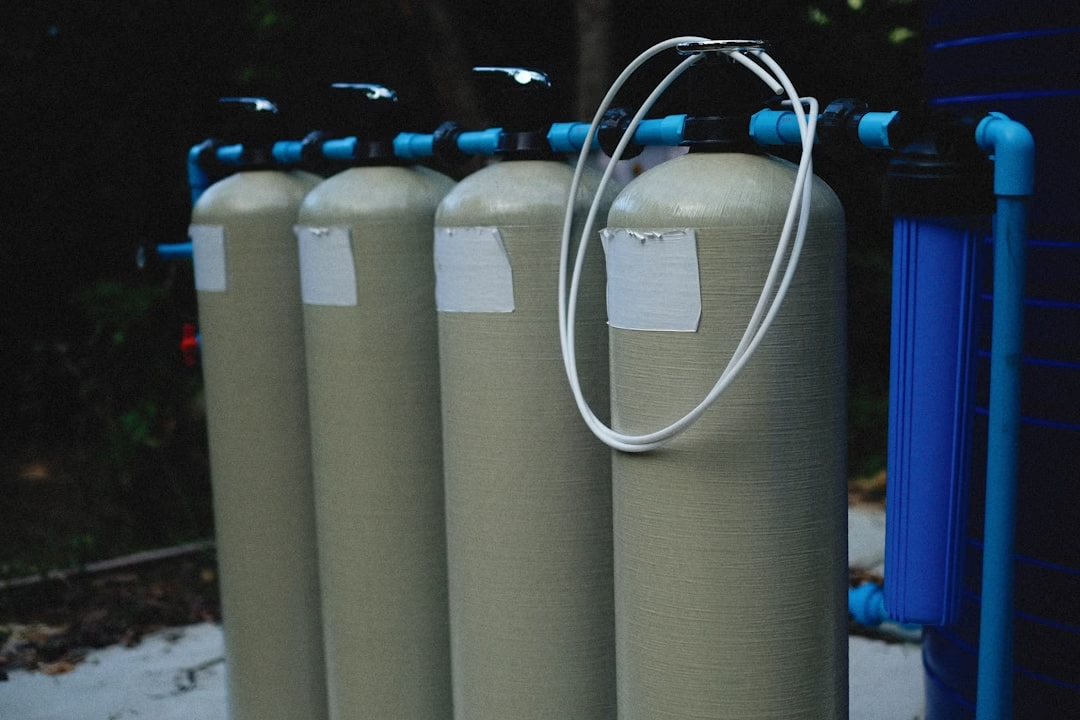
Thirdly, supply logistics differ. In major cities like Dubai and Abu Dhabi, liquid oxygen refill services are available but require scheduled deliveries. Conversely, POCs only require access to electricity for charging. In remote areas, this makes POCs more practical. Furthermore, the initial cost versus long-term expense varies. Often, POCs involve a higher upfront purchase, while liquid oxygen involves ongoing rental and refill costs. Evaluating these factors with local experts ensures a sustainable choice.
Setup and Maintenance Guide
Proper setup and maintenance are crucial for safety, efficacy, and device longevity. For a new portable oxygen concentrator, the initial setup involves charging the battery fully, connecting the tubing, and selecting the prescribed flow setting. Placement is important; ensure the device’s air intake vents are never blocked. Regular maintenance includes cleaning the exterior with a damp cloth, replacing the inlet filter every week or as directed, and checking tubing for cracks. Most POCs require an annual professional service check.
Setting up a liquid oxygen system is a professional task. A technician will install the large stationary reservoir in a well-ventilated area, away from heat sources. They will demonstrate how to safely fill the portable walker using the proprietary connector. Daily maintenance involves checking for frost or ice buildup on valves—a sign of potential leaks. Unlike POCs, there are no filters to change or batteries to charge. However, you must monitor the reservoir gauge and schedule refills before it empties completely.
Regardless of the system, always have a backup plan. This could be a spare battery for your POC or a small backup oxygen cylinder. Additionally, proper cleaning of cannulas or masks is essential to prevent infections. For patients using multiple devices, like a ResMed AirFit F30i full face mask with a BiPAP, ensure your oxygen tubing is integrated correctly as per your clinician’s instructions. Consistent maintenance ensures reliable therapy every day.
Common Questions and Concerns
Patients often have practical concerns when choosing their oxygen system. A frequent question is about cost-effectiveness. Generally, over the long term, owning a POC can be more economical than continuous liquid oxygen refills, especially for patients with lower flow requirements. However, for high-flow needs, liquid oxygen might be more cost-effective initially. Always check with your insurance provider regarding coverage policies in the UAE. The Health Authority Abu Dhabi regulations often provide frameworks for medical equipment funding.
Safety is another major concern. Patients worry about POCs running out of battery or liquid oxygen tanks leaking. Modern POCs have multiple alarms for low battery and low oxygen purity. Liquid oxygen systems are built with safety valves and are very robust when handled correctly. The key is user education and having a backup oxygen source. Furthermore, many worry about the social stigma. Today’s devices are sleek and quiet; many POCs fit in a small shoulder bag, drawing minimal attention.
Finally, patients wonder about flexibility. Can they adjust the flow? POCs allow easy adjustment within a prescribed range, while liquid systems deliver a consistent flow based on the regulator setting. What happens during a power outage? POCs can run on battery, while liquid oxygen systems are unaffected by electricity cuts. Addressing these concerns with factual information from your supplier builds confidence in your daily therapy management.
Expert Recommendations
Ultimately, the best choice is highly individual. For active, mobile patients who travel and have low-to-moderate oxygen needs, a portable oxygen concentrator is typically the top recommendation. Its all-in-one convenience and travel-friendly design support an independent lifestyle. For patients requiring continuous, high-flow oxygen at home with occasional short trips, a liquid oxygen system with a portable walker may be ideal. Its high purity and flow rate are unmatched for severe needs.
We strongly advise a thorough consultation with a pulmonologist and a certified respiratory therapist. They will consider your arterial blood gas results, activity levels, and living environment. For example, a patient with severe COPD on a Philips DreamStation BiPAP ST machine may have specific oxygen titration needs that favour one system over the other. Trial periods, where available, can provide invaluable real-world experience before you commit.
At OxyDubai, our specialists consider all these factors. We provide transparent information on both portable oxygen concentrators and liquid oxygen options available in the UAE. Furthermore, we offer reliable medical equipment rental in Dubai for those wanting to try a solution. Our commitment is to your health, comfort, and freedom. Therefore, we recommend booking a consultation to make a fully informed, personalized decision.
Frequently Asked Questions
Which is better for travel in the UAE: portable oxygen concentrator or liquid oxygen?
For travel, especially air travel, a portable oxygen concentrator (POC) is almost always the better choice. Most airlines approve specific FAA-compliant POCs for in-flight use, while they strictly prohibit liquid oxygen systems due to safety regulations. For road trips across the Emirates, a POC with a DC car charger and spare batteries offers unmatched convenience. Explore travel-ready options like the Inogen Rove 6 portable oxygen concentrator.
How long does the battery last on a typical portable oxygen concentrator?
Battery life varies significantly by model and the oxygen flow setting used. On a single battery charge, modern POCs can last from 2 to over 10 hours. At a lower pulse-dose setting, you can expect longer duration. For all-day outings, we recommend purchasing a high-capacity extra battery or a unit with dual-battery capability.
Is liquid oxygen more pure than oxygen from a concentrator?
Yes, typically. Liquid oxygen systems deliver medical-grade oxygen at purities of 99.5% or higher. Portable oxygen concentrators deliver oxygen at lower concentrations, usually between 87% and 95%, depending on the flow rate and device. For most patients, the purity from a POC is entirely therapeutic and sufficient, as confirmed by their doctor.
Can I use a portable oxygen concentrator while I sleep?
This depends on your prescription and the POC model. Some POCs offer a continuous-flow setting suitable for sleep, while others are pulse-dose only. If you require oxygen during sleep, your doctor must specify this, and you must choose a POC model that provides a reliable, consistent flow throughout the night. A separate stationary concentrator is often recommended for primary night-time use.
How often do I need to refill a liquid oxygen tank?
The refill frequency depends on the size of your stationary reservoir and your prescribed flow rate. A typical large reservoir might last 7-10 days for a patient using 2 liters per minute continuously. The smaller portable walker usually needs daily refilling from the main reservoir. Your supplier will help you establish a delivery schedule based on your usage.
What is the main disadvantage of a portable oxygen concentrator?
The primary limitation is flow capacity. Most POCs cannot deliver the high, continuous flow rates that some patients with severe needs require (e.g., over 5 liters per minute continuously). They are also dependent on electricity for charging and have electronic components that may require servicing. For high-flow patients, liquid oxygen or a stationary concentrator is often necessary.
Conclusion
In summary, the debate between a portable oxygen concentrator and liquid oxygen has no universal winner. The optimal system aligns with your specific medical prescription, lifestyle demands, and personal preferences. For mobility and travel within the dynamic UAE environment, portable oxygen concentrators offer remarkable freedom. Conversely, for high-purity, high-flow home-based therapy with short outings, liquid oxygen remains a powerful solution.
We encourage you to weigh the factors discussed: portability, cost, maintenance, and UAE-specific considerations like climate and travel. Remember, this decision directly impacts your daily comfort and independence. Therefore, professional guidance is invaluable. Review the full range of respiratory equipment and products available to make an informed choice.
Ultimately, the goal is to enhance your quality of life with reliable, convenient oxygen therapy. Do not hesitate to contact our respiratory specialists at OxyDubai for a personalized consultation. We are here to help you breathe easier and live more fully, providing expert advice and support every step of the way.