
CPAP Therapy Nasal Dryness Solutions – Complete Guide
Looking for sleep apnea solutions? Effective CPAP therapy and nasal dryness solutions are crucial for treatment success. Consequently, many users experience nasal congestion and dryness. This common issue can disrupt sleep and reduce therapy adherence. Fortunately, modern technology offers effective remedies. In the UAE’s climate, managing this side effect is particularly important. Dry air can exacerbate discomfort for CPAP users. Therefore, understanding and implementing solutions is key to consistent therapy.
CPAP therapy provides pressurized air to keep airways open. However, this constant airflow can dry out nasal passages and throat. As a result, users may wake up with irritation or nosebleeds. This guide explores proven strategies to combat these problems. From integrated humidifiers to specialized masks, options abound. Moreover, proper device maintenance enhances comfort and hygiene. Ultimately, addressing dryness improves overall sleep quality and health outcomes.
At Oxydubai, trusted by 10,000+ UAE patients, we provide premium respiratory equipment and products. Our team understands the local challenges. We offer tailored solutions for the region’s unique environment.
Need Respiratory Solutions?
Understanding CPAP Therapy Nasal Dryness Solutions
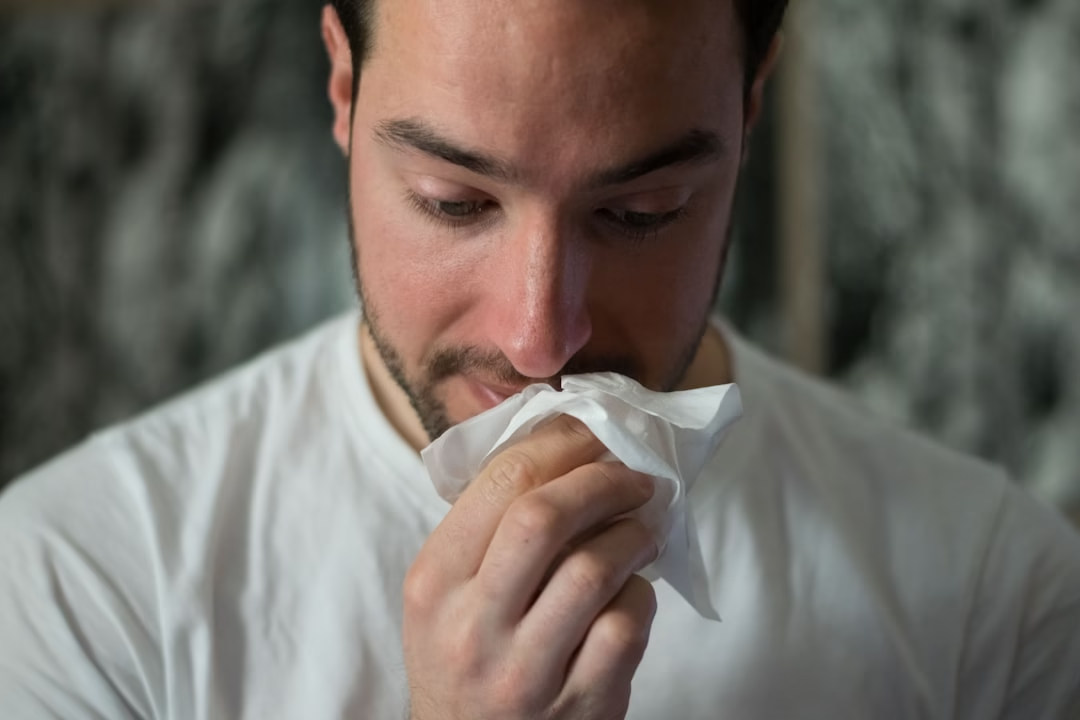
Comprehensive CPAP therapy and nasal dryness solutions begin with understanding the cause. The pressurized air, while therapeutic, lacks natural humidity. This often leads to mucosal drying in the nose and throat. Symptoms include congestion, irritation, and morning sore throat. Therefore, addressing this is not just about comfort but also therapy compliance. In fact, dryness is a leading reason for CPAP machine abandonment.
Effective solutions typically involve adding moisture to the airstream. For example, heated humidifiers are integrated into many modern devices. Additionally, room humidifiers can help, especially in air-conditioned UAE homes. Nasal saline sprays and gels provide direct mucosal relief. Furthermore, mask type and fit significantly impact air leakage and dryness. Choosing the right equipment is a critical first step. For instance, the Philips Respironics DreamStation Auto CPAP features an advanced humidification system.
Medical guidelines, like those from the World Health Organization respiratory health guidelines, emphasize treatment adherence. Managing side effects is essential for long-term success.
Benefits of Effective Dryness Management
Properly managing CPAP-induced dryness offers multiple benefits. First, it dramatically increases user comfort throughout the night. Consequently, therapy adherence rates improve significantly. Patients are more likely to use their device consistently. Moreover, better hydration reduces inflammation in the airways. This can enhance the therapeutic effectiveness of the pressure itself.
Additionally, comfortable users experience more restorative sleep. They avoid frequent awakenings due to irritation or congestion. Furthermore, preventing nasal dryness reduces the risk of secondary issues. These include sinus infections or recurrent nosebleeds. In the long term, consistent therapy lowers cardiovascular risks associated with sleep apnea. Therefore, investing in a good humidification system pays health dividends. For example, the BMC Resmart G2S A20 Auto CPAP machine includes a built-in humidifier for this purpose.
The UAE Ministry of Health medical standards support comprehensive sleep apnea management. Addressing side effects is part of quality care.
CPAP Therapy Nasal Dryness Solutions Features
Modern CPAP therapy and nasal dryness solutions boast advanced features. Heated humidifiers are now standard in many machines. They allow users to adjust temperature and humidity levels. Some devices even feature automatic climate control. This technology adjusts settings based on room conditions. As a result, users receive optimal moisture without condensation in the tube.
Another key feature is the heated tubing option. This prevents “rainout,” where moisture condenses in the air hose. Additionally, mask liners and cushions made from hypoallergenic materials reduce irritation. Many systems also include ramp features. These gradually increase pressure, allowing adjustment. For complex cases, devices like the Philips DreamStation Auto BiPAP machine offer advanced pressure support with integrated humidification.
Compliance tracking is another useful feature. It helps users and clinicians monitor therapy effectiveness. Importantly, these features align with Dubai Health Authority healthcare guidelines for patient-centered care.
Humidification System Specifications
When selecting a humidification system, key specifications matter. Water chamber capacity determines how long it can run. Typically, chambers hold 300-500 ml, lasting a full night. Heating plate wattage affects how quickly humidity is generated. Moreover, adjustable settings allow for personalization. Users can fine-tune humidity from 1 to 8 on most scales.
Furthermore, integrated systems versus standalone units offer different benefits. Integrated systems are more convenient and compact. However, standalone humidifiers can be used with older CPAP models. Additionally, look for easy-to-clean designs with removable chambers. This promotes hygiene and prevents bacterial growth. For ventilator users, devices like the BMC BPAP G2S B25VT/B30VT ventilator include specialized humidification.
Energy consumption is another consideration, especially for travel. Always check device compatibility before purchasing accessories. Compliance with Health Authority Abu Dhabi regulations ensures safety and efficacy.
Expert Medical Advice?
Setup and Maintenance
Correct setup and maintenance are vital for effective dryness control. First, always use distilled water in the humidifier chamber. This prevents mineral buildup and ensures clean moisture. Position the CPAP machine lower than your head to reduce rainout. Additionally, regularly clean the chamber, mask, and tubing. Daily rinsing and weekly deep cleaning prevent microbial growth.
Furthermore, replace components as recommended. For example, humidifier chambers may need annual replacement. Masks and cushions typically last 3-6 months. Also, check filters monthly and replace them when dirty. Proper maintenance ensures optimal performance and hygiene. Consequently, it extends the life of your equipment. For replacement parts and full systems, explore our range of respiratory equipment and products.
Finally, store your equipment in a clean, dry place. Avoid direct sunlight which can degrade materials. Following these steps maximizes comfort and device longevity.
CPAP Therapy Nasal Dryness Solutions Advantages
Implementing robust CPAP therapy and nasal dryness solutions provides clear advantages. Primarily, they eliminate a major barrier to treatment adherence. Users who are comfortable are more likely to use therapy nightly. Moreover, adequate humidity improves nasal mucosa health. This enhances the natural filtering and warming of inhaled air.
Another advantage is improved sleep continuity. Users experience fewer awakenings due to discomfort. Furthermore, well-hydrated airways may require lower pressure settings. This can make therapy feel less intrusive. Additionally, managing dryness reduces morning headaches and dry mouth. For those using oxygen therapy concurrently, like with an Inogen One G5 portable oxygen concentrator, comfort is multiplied.
Ultimately, these solutions contribute to better overall health outcomes. They align with preventive healthcare goals outlined by the UAE government healthcare regulations.
Common Questions
Users often have questions about managing CPAP-related dryness. A frequent query is about the best type of water to use. Always use distilled or demineralized water to prevent scaling. Another common question concerns dealing with rainout. Using a heated tube or insulating sleeve usually solves this.
People also ask about alternatives if their machine lacks a humidifier. Standalone humidifiers or room humidifiers can help. Additionally, nasal saline sprays provide immediate relief. Many wonder about cleaning frequency. Clean the water chamber daily with mild soap and water. Furthermore, deep clean all components weekly. For mask-related dryness, a different style like the ResMed AirFit F30i full face mask might be better.
Finally, users ask when to seek professional help. Consult a specialist if dryness persists despite adjustments. They can check for other issues like mask leaks.
Expert Recommendations
Experts recommend a personalized approach to dryness management. First, start with the humidifier settings at a moderate level. Then, adjust based on your comfort and the season. In the UAE’s dry climate, higher settings are often needed. Additionally, ensure your mask fits perfectly to minimize air leaks. Leaks can dry out your eyes and skin.
Moreover, consider using a chin strap if you breathe through your mouth. This helps direct air through the nose where it can be humidified. For complex apnea, a device like the Philips DreamStation BiPAP ST machine offers tailored therapy. Regularly monitor your symptoms and adjust as needed. Furthermore, stay hydrated throughout the day by drinking plenty of water.
Finally, schedule regular follow-ups with your healthcare provider. They can assess your progress and make technical adjustments. For personalized advice, contact our respiratory specialists.
Frequently Asked Questions
1. What is the best CPAP therapy and nasal dryness solution?
Integrated heated humidification with climate control is most effective. It automatically adjusts to room conditions.
2. Can I use tap water in my CPAP humidifier?
No. Use distilled water to prevent mineral buildup and bacterial growth.
3. How often should I clean the humidifier chamber?
Rinse daily with warm water and mild soap. Deep clean weekly with vinegar solution.
4. Why do I still feel dry despite using a humidifier?
Check for mask leaks, increase humidity setting, or try a heated tube. Also, consider nasal saline gel.
5. Are there CPAP machines without humidity settings?
Basic models may lack humidifiers. However, most modern devices, like those in our respiratory equipment and products range, include them.
6. Is nasal dryness a sign of incorrect pressure?
Not usually. It’s typically due to low humidity. However, a specialist can verify your pressure settings.
Conclusion
Successfully managing CPAP therapy and nasal dryness solutions is achievable. With the right equipment and practices, comfort improves dramatically. Consequently, therapy adherence and health outcomes get better. The key is to personalize your approach. Start with integrated humidification and proper mask fit. Then, adjust based on your environment and sensations.
In the UAE’s unique climate, paying attention to humidity is especially important. Modern devices offer sophisticated features to combat dryness. Regular maintenance ensures these features work optimally. Moreover, professional support can help troubleshoot persistent issues. Remember, addressing side effects is part of successful long-term treatment.
For those seeking reliable equipment, explore our curated selection. We provide devices designed for comfort and efficacy in regional conditions. Ultimately, comfortable therapy is sustainable therapy. Take control of your sleep apnea treatment today.