

Oxygen Therapy for Pneumonia Patients – Complete Guide
Searching for oxygen therapy equipment? Managing a respiratory infection like pneumonia requires precise medical intervention. Consequently, supplemental oxygen is often a cornerstone of treatment. This therapy helps maintain adequate blood oxygen levels when the lungs are inflamed. In the UAE’s diverse climate, managing respiratory health is crucial. Therefore, understanding this treatment is vital for patients and caregivers.
Pneumonia causes air sacs in the lungs to fill with fluid. As a result, oxygen exchange becomes severely impaired. Oxygen therapy for pneumonia patients directly addresses this life-threatening hypoxia. It supports the body’s healing process while preventing organ damage. Medical professionals carefully prescribe specific flow rates and delivery methods.
At Oxydubai, we are committed to supporting respiratory health. Trusted by 10,000+ UAE patients, we provide premium respiratory equipment and products. Our range supports effective pneumonia recovery at home or in clinical settings.
Need Respiratory Solutions?
Understanding Oxygen Therapy for Pneumonia Patients
Oxygen therapy for pneumonia patients is a targeted medical treatment. It delivers concentrated oxygen to compensate for reduced lung function. The primary goal is to restore normal arterial blood gas levels. Doctors determine the need based on oxygen saturation (SpO2) readings. Typically, therapy begins when SpO2 falls below 92%.
Several delivery systems are available, each suited to different needs. For instance, nasal cannulas are common for low-flow requirements. Conversely, Venturi masks provide precise, higher-flow oxygen concentrations. In severe cases, non-invasive ventilation (BiPAP) may be necessary. This approach is detailed in World Health Organization respiratory health guidelines.
Treatment is always supervised by healthcare providers. They monitor response and adjust the prescription accordingly. Proper use of devices like the Inogen One G5 portable oxygen concentrator ensures safety. Adherence to UAE Ministry of Health medical standards is paramount for all treatment protocols.
Benefits of Supplemental Oxygen Treatment
Supplemental oxygen offers immediate and critical benefits for pneumonia recovery. Firstly, it alleviates shortness of breath (dyspnea). This provides immense comfort to the struggling patient. Secondly, it prevents hypoxia, which can damage the heart, brain, and other organs. Therefore, it is a proactive measure to avoid complications.
Moreover, adequate oxygenation supports the immune system. It helps the body fight the bacterial or viral infection more effectively. Patients often experience reduced fatigue and improved sleep quality. Consequently, their overall energy for recovery increases. Using a reliable device like the Philips Respironics DreamStation Auto CPAP can aid in restful sleep during recovery.
Finally, proper oxygen levels can shorten hospital stays. They enable safer at-home management for suitable patients. This aligns with Dubai Health Authority healthcare guidelines promoting effective home care. Overall, the treatment is a fundamental pillar of pneumonia management.
Oxygen Therapy for Pneumonia Patients Features
Modern oxygen therapy for pneumonia patients incorporates advanced technological features. Key among these is adjustable flow rate control. This allows customization from low (1-2 L/min) to high flows. Additionally, oxygen concentrators feature purity indicators. They ensure the delivered gas is 90-95% pure oxygen, as per medical requirements.
Portability is another crucial feature for patient mobility. Lightweight units with long-lasting batteries promote independence. Furthermore, integrated humidifiers add moisture to the dry oxygen. This prevents nasal and airway irritation during prolonged use. Devices like the BMC Resmart G2S A20 Auto CPAP machine include such humidification systems.
Safety features are non-negotiable. These include alarm systems for low oxygen purity, power failure, or high pressure. Quiet operation is also essential for patient comfort, especially at night. Compliance with Health Authority Abu Dhabi regulations ensures all devices meet stringent safety benchmarks.
Medical Oxygen System Specifications
Selecting the right system requires understanding key specifications. Flow capacity is the primary spec, measured in liters per minute (LPM). For moderate pneumonia, 2-5 LPM via nasal cannula often suffices. However, severe cases may need 10-15 LPM via a non-rebreather mask. Physicians prescribe based on arterial blood gas analysis.
Device weight and dimensions directly impact usability. Stationary concentrators are powerful but less mobile. Conversely, portable units weigh as little as 2-3 kilograms. Battery life specification determines unplugged usage time. Noise level, measured in decibels (dB), affects patient tolerance. For complex cases, a Philips DreamStation Auto BiPAP machine offers advanced pressure specifications.
Power requirements must match UAE home and travel standards. Furthermore, filter types and replacement cycles are vital for maintenance. Always verify that equipment meets UAE government healthcare regulations for import and use. This guarantees both efficacy and legal compliance.
Expert Medical Advice?
Setup and Maintenance Guide
Correct setup ensures therapy effectiveness and safety. Begin by placing the concentrator in a well-ventilated area. Keep it at least 15 cm away from walls and furniture. Then, connect the delivery device, like a cannula or mask, to the outlet. Attach the humidifier bottle if prescribed and fill it with distilled water.
Plug the device into a dedicated electrical socket. Avoid using extension cords to prevent fire hazards. Next, power on the unit and set the flow rate as prescribed. Finally, ensure the tubing is unobstructed and the patient is comfortable. For devices like the Philips DreamStation BiPAP ST machine, professional setup is recommended.
Daily maintenance involves wiping the exterior with a damp cloth. Weekly, clean or replace the inlet filter as per the manual. Monthly, disinfect the tubing and humidifier chamber. Always follow manufacturer instructions and UAE Ministry of Health medical standards for disinfection protocols. Regular maintenance prevents infections and ensures reliable operation.
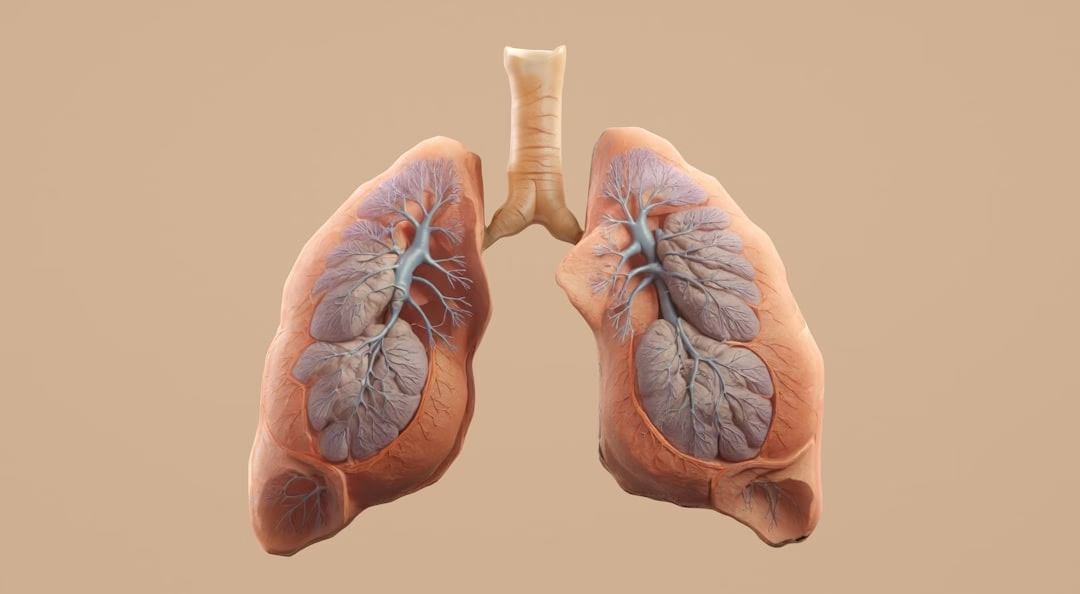
Oxygen Therapy for Pneumonia Patients Advantages
The advantages of oxygen therapy for pneumonia patients are extensive and life-supporting. Primarily, it is a direct treatment for respiratory failure, a major pneumonia complication. It buys critical time for antibiotics or antivirals to work. Additionally, it reduces the workload on the heart, which strains during hypoxia.
Another key advantage is the potential for home-based care. With proper equipment and training, patients can leave the hospital earlier. This reduces healthcare costs and minimizes hospital-acquired infection risks. It also improves the patient’s psychological well-being. Using a comfortable ResMed AirFit F30i full face mask enhances this home-care experience.
Furthermore, modern devices are user-friendly and reliable. They empower patients to manage their condition actively. This aligns with global best practices referenced in World Health Organization respiratory health guidelines. Ultimately, the therapy is a proven, indispensable tool in the fight against severe pneumonia.
Common Questions Answered
How long is oxygen therapy needed for pneumonia? Duration varies widely. It depends on severity, patient age, and overall health. Some need it for a few days; others require weeks. Doctors wean patients off slowly as their oxygen saturation improves.
Are there side effects? When used correctly, side effects are minimal. However, dry nose or skin irritation can occur. Using a humidifier often solves this. Oxygen toxicity is rare and only with prolonged high-dose use.
Can I use oxygen without a prescription? No. Medical oxygen is a prescribed drug. Self-administration can be dangerous. Always use it under medical supervision. For more complex needs, devices like the BMC BPAP G2S B25VT/B30VT ventilator require precise clinical settings.
What safety precautions are essential? Keep oxygen away from open flames and sparks. Do not smoke near the equipment. Ensure good room ventilation. Regularly check for leaks in the tubing. Follow all Dubai Health Authority healthcare guidelines for home medical equipment safety.
Expert Recommendations for UAE Patients
Experts emphasize a personalized approach to oxygen therapy. First, a thorough assessment by a pulmonologist is mandatory. They will determine the exact need and create a tailored plan. Secondly, choose equipment from reputable suppliers that offer after-sales service. This ensures ongoing support for maintenance and troubleshooting.
In the UAE’s climate, indoor air quality matters. Use air purifiers alongside oxygen therapy to reduce irritants. Stay hydrated, as both the illness and dry oxygen can cause dehydration. Furthermore, monitor your oxygen saturation with a reliable pulse oximeter. Keep a log to share with your doctor during follow-ups.
Finally, never hesitate to seek help. If shortness of breath worsens, seek immediate medical attention. For equipment guidance and support, contact our respiratory specialists. We help you navigate Health Authority Abu Dhabi regulations and find the perfect solution for a smooth recovery.
Frequently Asked Questions (FAQ)
Q1: What is the goal of oxygen therapy for pneumonia patients?
A: The primary goal is to maintain normal blood oxygen levels, support organ function, and aid lung healing.
Q2: How is the oxygen flow rate determined?
A: Doctors set the rate based on SpO2 readings, blood gas tests, and the patient’s clinical response.
Q3: Can I travel with an oxygen concentrator in the UAE?
A: Yes, portable concentrators are travel-friendly. Check with your airline and ensure the device is approved for in-flight use.
Q4: What is the difference between an oxygen concentrator and a CPAP machine?
A: A concentrator provides supplemental oxygen. A CPAP provides continuous air pressure to keep airways open but does not increase oxygen concentration.
Q5: When is BiPAP used instead of standard oxygen therapy?
A: BiPAP is used for patients with coexistent respiratory muscle fatigue or hypercapnia (high CO2 levels), often in severe pneumonia cases.
Q6: Where can I find reliable oxygen therapy for pneumonia patients equipment in Dubai?
A: Oxydubai offers a wide range of medically-approved devices. Explore our respiratory equipment and products for options suited to your prescribed therapy.
Conclusion
Oxygen therapy for pneumonia patients is a vital, life-sustaining treatment. It effectively manages hypoxia and supports recovery. Understanding its benefits, features, and proper usage is crucial for optimal outcomes. In the UAE, accessing high-quality equipment and expert advice ensures safe and effective home management.
Always follow medical prescriptions and safety guidelines rigorously. Moreover, prioritize equipment from trusted providers with strong service support. This approach guarantees therapy effectiveness and patient peace of mind. Remember, successful recovery combines advanced technology with informed care.
For personalized assistance in selecting the right equipment, contact our respiratory specialists. Let us help you navigate your recovery journey with confidence and the best tools available.

