

Hospital-Grade Sleep Apnea Equipment – Complete Guide
Looking for sleep apnea solutions? When standard CPAP therapy fails, patients often ask about hospital-grade sleep apnea equipment. This advanced tier of respiratory support is crucial for complex cases. Consequently, it manages severe obstructive sleep apnea (OSA), central sleep apnea (CSA), and comorbid respiratory conditions. In the UAE’s diverse climate, accessing the right medical technology is vital. Therefore, understanding the transition to higher-level care ensures better health outcomes and safety.
Hospital-grade devices offer sophisticated ventilation modes and detailed monitoring. They are prescribed after thorough sleep studies and specialist evaluation. Moreover, the UAE Ministry of Health medical standards govern their use. At Oxydubai, trusted by 10,000+ UAE patients, we provide premium respiratory equipment and products. Our range includes these critical devices for advanced care.
Need Respiratory Solutions?
Understanding Hospital-Grade Sleep Apnea Equipment
Hospital-grade sleep apnea equipment refers to non-invasive ventilators (NIV) used in home settings. Typically, these devices are BiPAP ST, AVAPS, or ICU-type ventilators. They provide mandatory breaths if a patient’s own effort is absent. This is essential for treating complex sleep-disordered breathing. For instance, conditions like obesity hypoventilation syndrome or neuromuscular diseases require this support.
Transitioning to this equipment involves a detailed clinical assessment. Sleep physicians analyze data from standard CPAP trials first. If hypoventilation or central apneas persist, they prescribe advanced devices. The Dubai Health Authority healthcare guidelines emphasize proper titration studies. Devices like the Philips DreamStation BiPAP ST machine are common prescriptions. Ultimately, this equipment bridges the gap between home and hospital care.
Benefits of Advanced Respiratory Support
Advanced respiratory support offers significant life-changing benefits. Primarily, it improves oxygenation and reduces carbon dioxide retention. Therefore, patients experience better sleep quality and daytime alertness. Furthermore, it lowers the risk of heart failure and hospital readmissions. This proactive management is crucial for long-term health in the UAE.
Another key benefit is enhanced compliance through comfort features. Modern devices have advanced algorithms that sync with patient breathing. Additionally, integrated humidifiers and mask leak compensation improve tolerance. For example, the Philips Respironics DreamStation Auto CPAP offers a foundation, but advanced units go further. According to World Health Organization respiratory health guidelines, managing chronic respiratory diseases prevents complications. So, this equipment is a cornerstone of effective care.
Hospital-Grade Sleep Apnea Equipment Features
Specific features define hospital-grade sleep apnea equipment. First, they offer multiple therapy modes: S, T, ST, AVAPS, and iVAPS. These modes provide backup rates and volume-assured pressure support. Secondly, they include high-resolution data logging. This tracks apnea-hypopnea index (AHI), tidal volume, and minute ventilation comprehensively.
Moreover, these devices have robust alarms for low minute ventilation or high leak. Connectivity for remote monitoring by clinicians is another critical feature. For instance, the BMC BPAP G2S B25VT/B30VT ventilator includes these capabilities. Compliance with Health Authority Abu Dhabi regulations ensures safety and efficacy. Consequently, patients and caregivers gain peace of mind with these advanced systems.
Advanced Device Specifications and Selection
Selecting the correct device requires understanding technical specifications. Key parameters include pressure range (often up to 30 cm H2O), breath rate, and Ti (inspiratory time). Oxygen inlet ports for supplemental oxygen integration are also vital. Additionally, battery backup options ensure therapy continuity during power fluctuations.
Matching specifications to the patient’s diagnosis is essential. For complex OSA with hypoventilation, a BiPAP ST is standard. Conversely, restrictive lung diseases may need AVAPS mode. The Philips DreamStation Auto BiPAP machine offers auto-adjusting bi-level support. Always consult with a specialist who understands UAE government healthcare regulations. Proper selection optimizes therapy success and patient safety.
Expert Medical Advice?
Setup and Maintenance Protocols
Proper setup and maintenance are non-negotiable for advanced devices. Initially, a respiratory therapist should configure settings based on the sleep study. Then, they must educate the patient on daily use, cleaning, and troubleshooting. Regular filter checks and circuit replacements prevent performance issues.
Furthermore, data should be reviewed remotely or in-clinic every 1-3 months. This ensures the therapy remains effective as the patient’s condition evolves. Using compatible accessories is crucial; for example, pair devices with a ResMed AirFit F30i full face mask for optimal seal. Adherence to manufacturer and UAE Ministry of Health medical standards for disinfection is mandatory. Consequently, diligent maintenance guarantees device longevity and patient health.
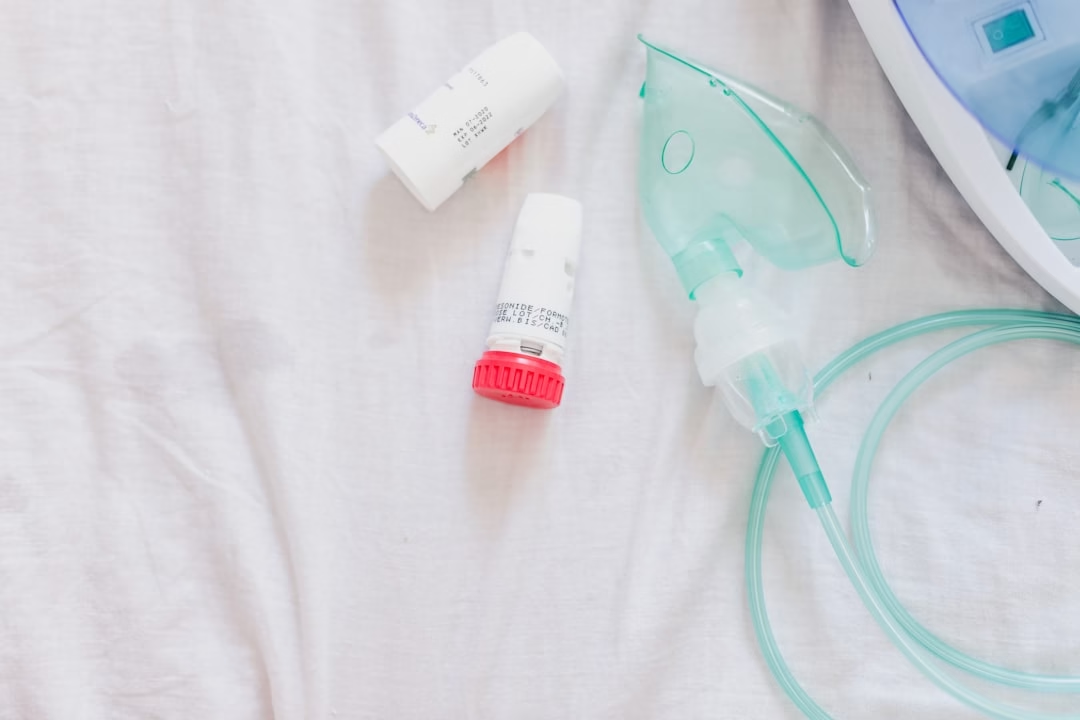
Hospital-Grade Sleep Apnea Equipment Advantages
The advantages of hospital-grade sleep apnea equipment are profound. Most importantly, it provides life-sustaining therapy for the most vulnerable patients. It enables safe home management, reducing lengthy hospital stays. Moreover, it offers customizable therapy that adapts to changing nightly needs.
Another advantage is comprehensive data for precise treatment adjustments. This data-driven approach leads to better clinical outcomes. For patients also requiring oxygen, devices seamlessly integrate with an Inogen One G5 portable oxygen concentrator. Overall, this equipment empowers patients with severe conditions to live more normally. Therefore, it represents a critical advancement in respiratory home care.
Common Questions on Advanced Therapy
Patients often have questions about transitioning to advanced therapy. A common query is about noise levels; fortunately, modern devices are very quiet. Another question concerns travel; some units are portable with DC adapters, but planning is essential. Many also ask about costs and insurance coverage in the UAE.
Additionally, patients wonder if therapy is permanent. Often, it is long-term, but conditions like post-surgical edema may require temporary use. It’s crucial to use devices as prescribed and never adjust settings without consultation. For those stepping up from CPAP, a device like the BMC Resmart G2S A20 Auto CPAP machine might be an intermediate step. Always contact our respiratory specialists for personalized answers.
Expert Recommendations for UAE Patients
Experts emphasize a structured pathway for advanced sleep apnea care. First, undergo a detailed sleep study at an accredited center. Next, obtain a clear prescription from a pulmonologist or sleep specialist. Then, choose a reputable supplier offering setup, training, and after-sales support.
Furthermore, experts recommend combining therapy with lifestyle changes. Weight management and positional therapy can enhance device effectiveness. Regularly updating your healthcare provider on your progress is also advised. Compliance with local regulations, per the Dubai Health Authority healthcare guidelines, ensures legal and safe use. Finally, a strong support network is invaluable for patients using this essential medical equipment.
Frequently Asked Questions
Q1: What conditions require hospital-grade sleep apnea equipment?
Conditions include severe central sleep apnea, obesity hypoventilation syndrome, COPD-OSA overlap, and neuromuscular disorders affecting breathing.
Q2: How is it different from a regular CPAP?
Unlike CPAP, which gives constant pressure, this equipment provides bi-level pressure with a backup respiratory rate for when breathing stops.
Q3: Can I travel with this equipment?
Yes, but you must check power compatibility and airline regulations. Some portable ventilators are designed for travel.
Q4: Is hospital-grade sleep apnea equipment covered by insurance in the UAE?
Many comprehensive health insurance plans cover it with a detailed medical report and prior approval.
Q5: How often does the equipment need servicing?
Professional servicing is recommended annually. Daily cleaning and weekly disinfection of masks and tubing are essential.
Q6: Where can I get support for setup in Dubai?
Oxydubai provides complete setup, training, and ongoing support. You can contact our respiratory specialists for assistance.
Conclusion
In summary, hospital-grade sleep apnea equipment is a vital intervention for complex respiratory failures. It represents a significant advancement over standard CPAP therapy. Therefore, understanding its indications, features, and proper maintenance is crucial for patients and caregivers in the UAE. This technology, governed by robust medical standards, offers a lifeline, enabling safer and more effective home-based care.
Ultimately, successful management relies on a partnership between patient, clinician, and equipment provider. By choosing certified devices and relying on expert guidance, individuals can achieve dramatically improved sleep and overall health. For those navigating this journey, accessing reliable respiratory equipment and products is the first step toward renewed well-being and independence.