

Oxygen Concentrator vs Cylinder Dubai – Complete Guide
Searching for oxygen therapy equipment? Choosing between an oxygen concentrator and a cylinder is a critical decision for patients in Dubai and the wider UAE. Consequently, understanding the pros and cons directly impacts quality of life, mobility, and treatment efficacy. Oxygen therapy is essential for managing conditions like COPD, pulmonary fibrosis, and severe sleep apnea. In the UAE’s unique climate and with its advanced healthcare infrastructure, selecting the right equipment requires careful consideration of lifestyle, medical needs, and local regulations. At Oxydubai, trusted by 10,000+ UAE patients, we provide premium respiratory equipment and products alongside expert guidance to help you make an informed choice.
Need Respiratory Solutions?
Understanding Oxygen Concentrator vs Cylinder Dubai
Fundamentally, oxygen concentrators and cylinders serve the same medical purpose. However, their operation and logistics differ greatly. An oxygen concentrator is an electric device that draws in room air. It then filters out nitrogen to deliver purified oxygen through a nasal cannula. Conversely, an oxygen cylinder is a pressurized tank containing a finite supply of medical-grade oxygen. For Dubai residents, the choice often hinges on reliability of power, portability needs, and treatment plans. The Dubai Health Authority healthcare guidelines emphasize using approved medical devices for home care. Therefore, both options must meet stringent safety standards. Understanding this core difference is the first step in evaluating oxygen concentrator vs cylinder Dubai options for long-term health management.
Modern concentrators, like the Inogen One G5 portable oxygen concentrator, offer advanced features. Meanwhile, cylinders remain a trusted backup solution. Your doctor will prescribe a specific flow rate (liters per minute). This prescription directly influences which system is most suitable. For instance, high-flow therapy may favor certain systems. Ultimately, the decision balances convenience, cost, and clinical requirements in the UAE’s dynamic environment.
Benefits of Oxygen Therapy Systems
Oxygen therapy provides vital benefits for patients with chronic respiratory conditions. Primarily, it increases oxygen levels in the blood. This improvement reduces breathlessness and fatigue. As a result, patients experience enhanced energy levels and mental alertness. Furthermore, consistent oxygen therapy can protect vital organs from damage caused by chronic low oxygen. It also improves sleep quality and overall exercise tolerance. In Dubai’s fast-paced lifestyle, these benefits contribute significantly to maintaining independence and participation in daily activities.
According to the World Health Organization respiratory health guidelines, supplemental oxygen is a cornerstone treatment for chronic hypoxemia. Proper use can decrease hospital readmission rates. Moreover, it supports better management of co-existing conditions like heart failure. Whether using a stationary concentrator at home or a portable system for outings, the therapeutic goal remains the same: to deliver prescribed oxygen reliably and safely. Integrating therapy with devices like a ResMed AirSense 11 CPAP machine can offer comprehensive respiratory support for complex cases.
Oxygen Concentrator vs Cylinder Dubai Features
Evaluating the features is crucial when comparing oxygen concentrator vs cylinder Dubai solutions. Oxygen concentrators offer continuous oxygen supply as long as power is available. They typically feature adjustable flow settings, oxygen purity indicators, and alarm systems. Modern units are often quieter and more energy-efficient. For example, portable models provide pulse-dose delivery to conserve oxygen. On the other hand, oxygen cylinders are simple mechanical devices. They feature a pressure gauge, a flow regulator, and a humidifier bottle attachment. Their primary feature is independence from electricity.
In Dubai, features like battery backup, voltage stability (220-240V), and heat tolerance are important. Many concentrators now include smart connectivity for therapy tracking. Conversely, cylinders provide a consistent flow rate without electronic components. This makes them less prone to technical failure. However, they lack the smart features of modern concentrators. For patients requiring high-flow oxygen, certain heavy-duty concentrators or large cylinders are necessary. Reviewing these features with a specialist ensures the chosen equipment aligns with both medical needs and the practicalities of living in the UAE.
Expert Medical Advice?
Therapy Equipment Specifications
Technical specifications determine practical usability. Stationary oxygen concentrators usually weigh 15-25 kg and produce 5-10 liters per minute (LPM) with 90-95% purity. Portable concentrators are lighter (2-5 kg) and often use pulse-flow technology. Battery life ranges from 2 to 8 hours. Oxygen cylinders come in various sizes. Small portable cylinders may last 2-4 hours at 2 LPM, while large home tanks can last days. However, cylinder capacity is finite and pressure-dependent.
Compliance with UAE Ministry of Health medical standards is mandatory for all medical oxygen devices. Specifications must include clear labeling, safety certifications, and appropriate flow accuracy. For integrated care, specifications of supporting equipment matter too. For instance, using an ResMed AirFit F30i mask with your oxygen source requires compatible connectors. Always verify that the equipment’s specifications match your doctor’s prescription exactly for safe and effective therapy.
Setup and Maintenance Requirements
Setup and maintenance differ significantly between systems. An oxygen concentrator requires a stable power outlet and well-ventilated space. Initial setup involves attaching a tubing and cannula, and setting the flow rate. Maintenance includes cleaning filters weekly and servicing annually. In contrast, an oxygen cylinder setup involves securing the tank, attaching a regulator, and opening the valve. Maintenance is simpler but includes regular visual inspections for damage and ensuring timely refills.
Dubai’s environment demands specific maintenance routines. For example, concentrator filters may need more frequent cleaning due to dust. Humidity can also affect equipment. Reliable suppliers offer maintenance contracts and emergency support. The Health Authority Abu Dhabi regulations, similar to Dubai’s, recommend documented maintenance logs for medical devices. Proper care ensures safety, maximizes device lifespan, and guarantees therapeutic efficacy. Whether you choose a concentrator or cylinder, a clear maintenance plan is essential for uninterrupted therapy.
Oxygen Concentrator vs Cylinder Dubai Advantages
Analyzing the advantages clarifies the oxygen concentrator vs cylinder Dubai debate. Concentrators offer unlimited oxygen from the air, eliminating recurring refill costs and logistics. They promote independence and are ideal for home use. Portability has also improved dramatically. Conversely, cylinders provide guaranteed oxygen purity and pressure. They work during power outages and are instantly available without warm-up time. For short-term or emergency use, cylinders are often preferable.
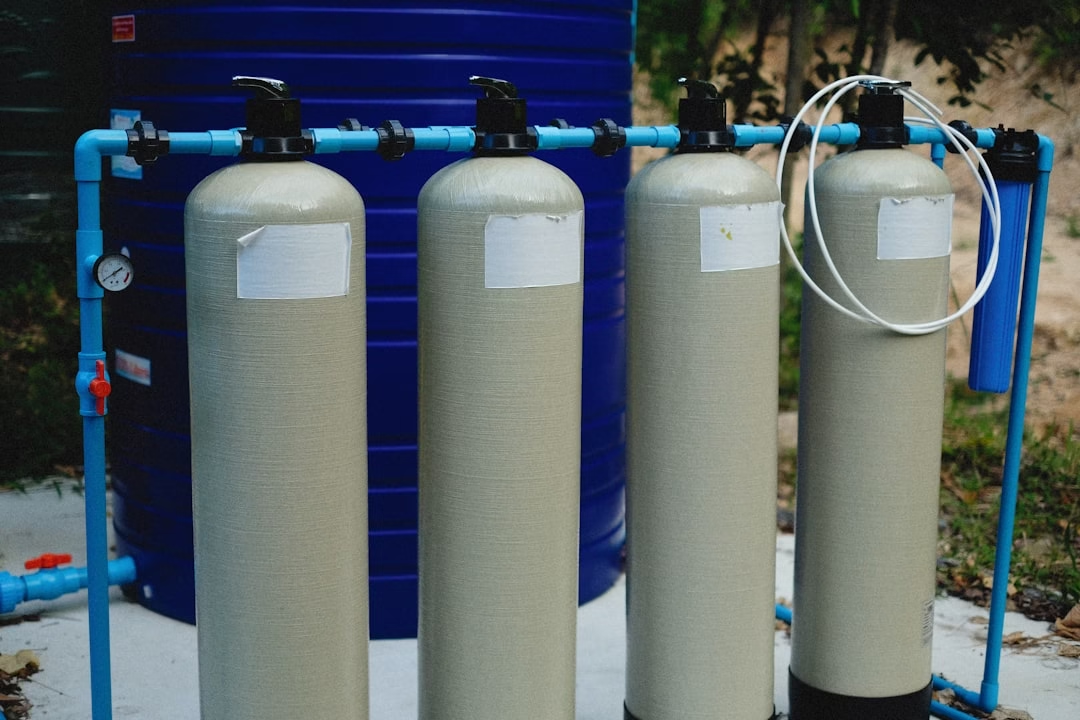
In Dubai’s context, concentrators advantage includes avoiding delivery dependencies in traffic. However, cylinders are indispensable as backups during frequent travel or for patients in areas with less stable electricity. For critical care at home, a ResMed Astral 150 ventilator may integrate with either oxygen source. Ultimately, many patients benefit from a hybrid approach. This strategy uses a concentrator for primary therapy and a cylinder for backup and mobility. Weighing these advantages against personal circumstances leads to the optimal choice.
Common Patient Questions Answered
Patients often have practical questions. Firstly, “Which is more cost-effective long-term?” Typically, concentrators have higher upfront costs but lower ongoing expenses. Cylinders have lower initial cost but continuous refill charges. Secondly, “Is travel possible?” Yes, with planning. Portable concentrators are airline-approved with advance notice. Cylinders require special arrangements. Thirdly, “What about power outages?” A cylinder backup is essential for concentrator users. Fourthly, “How do I know my oxygen is pure?” Concentrators have purity indicators; cylinders are filled by certified suppliers.
Other questions concern safety. “Are they safe around heaters?” Both require keeping oxygen away from open flames. “Can I use it with my CPAP?” Yes, with proper integration, such as connecting oxygen to a ResMed AirMini compact CPAP. Finally, “How do I get supplies in Dubai?” Reputable providers like Oxydubai offer delivery, setup, and ongoing support across the UAE. Always consult your doctor and contact our respiratory specialists for personalized answers.
Expert Recommendations for UAE Residents
Medical experts in the UAE provide clear recommendations based on clinical evidence. For long-term, continuous oxygen therapy (over 15 hours daily), a stationary concentrator is usually recommended as the primary device. A portable concentrator or cylinder should supplement this for mobility. For short-term or post-hospitalization recovery, oxygen cylinders may suffice. The choice must align with the patient’s activity level, home environment, and support system.
Experts stress compliance with UAE government healthcare regulations regarding medical gas use. They also recommend purchasing from accredited suppliers who provide training, after-sales service, and emergency support. A thorough assessment by a pulmonologist or respiratory therapist is non-negotiable. They will consider your specific condition, prescribed flow rate, and lifestyle needs. Finally, experts advise having a contingency plan, especially in summer months. This ensures therapy continues uninterrupted during any circumstance.
Frequently Asked Questions (FAQ)
Q1: What is the main difference between an oxygen concentrator and a cylinder?
A: A concentrator makes oxygen from air; a cylinder stores pre-filled oxygen.
Q2: Which option is better for travel within the UAE?
A: Portable oxygen concentrators are generally more convenient for travel due to no refill needs.
Q3: Can I use an oxygen concentrator during a power cut?
A: Only if you have a backup battery or power source. Always keep a cylinder for emergencies.
Q4: How often do oxygen cylinders need to be refilled in Dubai?
A> Frequency depends on usage. Suppliers like Oxydubai offer scheduled delivery and refill services.
Q5: What are the key considerations for oxygen concentrator vs cylinder Dubai?
A: Key factors are lifestyle mobility, power reliability, treatment duration, and cost over time.
Q6: Do I need a prescription for oxygen therapy equipment in the UAE?
A: Yes, a valid medical prescription is required by law to purchase or rent any medical oxygen device.
Conclusion
In summary, choosing between an oxygen concentrator and a cylinder in Dubai requires a balanced evaluation of medical, practical, and lifestyle factors. Concentrators offer long-term convenience and independence, while cylinders provide reliability and simplicity. Importantly, your specific health condition, prescribed oxygen flow, daily routine, and home environment are the ultimate guides. Adherence to UAE medical regulations and partnering with a reputable supplier ensures safety and peace of mind.
Ultimately, the right choice empowers you to manage your respiratory health effectively. By understanding the pros and cons of each oxygen concentrator vs cylinder Dubai option, you can make a confident, informed decision. Explore our range of certified respiratory equipment and products and consult with our specialists to find the perfect solution tailored to your life in the UAE.

