

Portable Oxygen Pulmonary Fibrosis – Complete Guide
Searching for oxygen therapy equipment? Managing pulmonary fibrosis requires reliable oxygen support. Consequently, portable oxygen concentrators (POCs) are transformative. They enable patients to maintain an active lifestyle. In the UAE’s dynamic environment, mobility is key for quality of life. Therefore, understanding your options is crucial.
Pulmonary fibrosis scars lung tissue, reducing oxygen transfer. Supplemental oxygen becomes essential. However, traditional tanks are heavy and limiting. Thankfully, modern portable oxygen concentrators offer freedom. They are lightweight, efficient, and travel-friendly. For instance, they allow you to visit Dubai’s malls or Abu Dhabi’s corniche with confidence.
The UAE’s healthcare standards are high. The UAE Ministry of Health emphasizes patient-centric care. Portable oxygen therapy aligns perfectly with this goal. It supports respiratory function during daily activities. Moreover, it reduces hospital readmission risks. Ultimately, it empowers patients.
At Oxydubai, we understand these needs deeply. Trusted by 10,000+ UAE patients, we provide premium respiratory equipment and products. Our range includes leading portable oxygen solutions. We help you stay active and independent.
Need Respiratory Solutions?
Understanding Portable Oxygen Pulmonary Fibrosis
Portable oxygen for pulmonary fibrosis is a therapeutic approach. It uses lightweight devices to deliver supplemental oxygen. This treatment manages chronic hypoxemia caused by lung scarring. Essentially, these devices extract oxygen from ambient air. Then, they deliver it in concentrated form to the user.
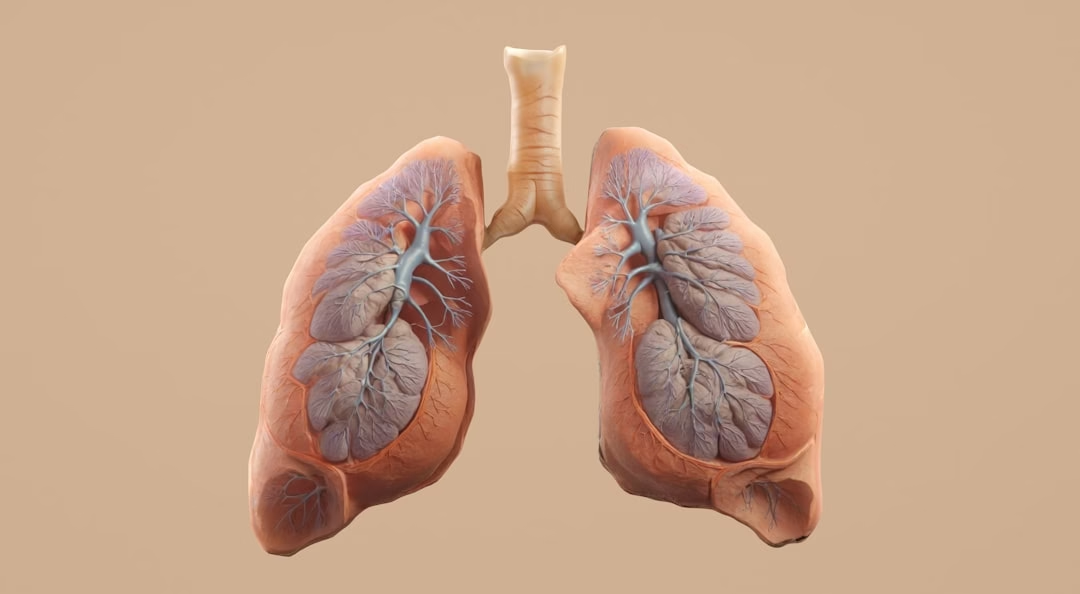
Pulmonary fibrosis progressively impairs lung function. As a result, blood oxygen levels drop during exertion and even at rest. Portable oxygen concentrators counteract this deficit. They provide a continuous flow or pulse dose of oxygen. Therefore, they help maintain safe blood oxygen saturation (SpO2).
In the UAE, climate and lifestyle demand adaptable solutions. For example, moving between air-conditioned spaces and outdoor heat can strain breathing. A reliable portable oxygen system provides consistent support. It adheres to strict Dubai Health Authority healthcare guidelines. Furthermore, it meets international safety standards.
Choosing the right device involves assessing your prescription. Flow rate requirements and mobility goals are key factors. Devices like the Inogen One G5 portable oxygen concentrator are popular choices. They offer a balance of performance and portability for UAE residents.
Benefits of Mobile Oxygen Therapy
Mobile oxygen therapy offers profound advantages. Firstly, it dramatically enhances quality of life. Patients are no longer confined to their homes. Instead, they can participate in family gatherings, shop, or dine out. This social engagement boosts mental and emotional well-being.
Secondly, it promotes physical health. Consistent oxygen delivery reduces breathlessness. Consequently, patients can engage in gentle exercise. This helps maintain muscle strength and cardiovascular health. Moreover, better oxygenation improves sleep quality and cognitive function.
From a practical UAE perspective, these devices are travel-ready. They are approved for use on Emirates and Etihad flights with proper documentation. They can be powered via car adapters or batteries. Therefore, they support road trips across the Emirates. Additionally, they are discreet, reducing any potential stigma.
Economically, they can reduce long-term costs. While an initial investment exists, they eliminate recurring cylinder delivery fees. They also minimize emergency healthcare visits related to severe hypoxemia. This aligns with the UAE government healthcare regulations promoting efficient, home-based care.
Portable Oxygen Pulmonary Fibrosis Features
Modern portable oxygen pulmonary fibrosis devices have key features. First is lightweight design. Units often weigh under 5 pounds. This makes carrying them effortless. Second is multiple power sources. They use AC/DC power and long-lasting batteries. Some batteries last over 5 hours on a single charge.
Third is delivery mode flexibility. They offer continuous flow and pulse dose settings. Pulse dose is efficient, delivering oxygen only upon inhalation. Fourth is oxygen output. They provide settings from 1 to 6 liters per minute (LPM) in pulse flow. This caters to various activity levels and prescription needs.
Fifth is durability and low noise. Built for daily use, they operate quietly (often under 40 decibels). This ensures discretion in public settings. Sixth is intelligent alerts. They monitor battery life, purity, and flow issues. Then, they alert the user immediately.
Finally, travel compliance is crucial. Top models are FAA-approved for air travel. They fit under airplane seats. For comprehensive respiratory care, pairing a POC with a reliable ResMed AirSense 11 CPAP machine can address co-existing sleep apnea, a common concern.
Oxygen Concentrator Specifications
Evaluating technical specifications ensures the right fit. Key specs include oxygen purity. High-quality devices maintain 90%±3% purity across all flow settings. This is vital for effective therapy. Another spec is flow settings. Devices should match your doctor’s prescribed LPM requirement, both at rest and during exertion.
Battery life and type are critical. Look for lithium-ion batteries with extended life options. For example, some units offer 4.7 hours on a single battery at setting 2. Additionally, consider charge time. Fast charging (around 3 hours) is highly convenient.
Size and weight directly impact portability. Dimensions should allow easy transport. Many are as small as a handbag. Noise level specifications, measured in decibels (dB), indicate how discreet the device will be. Furthermore, check warranty terms. Reputable brands offer 3-5 year warranties.
Always ensure devices comply with Health Authority Abu Dhabi regulations and other local standards. For patients requiring higher flow rates or ventilator support, a ResMed Astral 150 ventilator may be recommended by a specialist.
Expert Medical Advice?
Setup and Daily Maintenance
Proper setup and maintenance ensure optimal performance. Initially, consult with your supplier or a respiratory therapist. They will help configure the flow settings per your prescription. Then, practice using the device at home before venturing out. This builds confidence.
Daily maintenance is straightforward. Wipe the exterior with a damp cloth. Check the filter regularly; in the UAE’s dusty environment, you may need to clean it weekly. Use mild soap and water, then let it dry completely before reinserting. Also, inspect the nasal cannula or mask for wear and tear.
Battery care is essential. Avoid fully depleting lithium-ion batteries. Instead, recharge them when they reach 20-30% capacity. Store the device in a cool, dry place, away from direct sunlight. Furthermore, have a backup power plan. This includes spare batteries and a car charger.
Schedule professional servicing annually. This checks internal components and oxygen purity output. Reliable suppliers offer maintenance packages. For those also using CPAP therapy, proper care for devices like the ResMed AirFit F30i mask is equally important for holistic respiratory management.
Portable Oxygen Pulmonary Fibrosis Advantages
The advantages of portable oxygen for pulmonary fibrosis are life-changing. Primarily, they restore independence. Patients regain control over their daily schedule. They are not tied to a stationary concentrator or delivery schedules for oxygen tanks.
Another key advantage is improved health outcomes. Consistent oxygen use slows disease progression. It reduces pulmonary hypertension strain on the heart. According to World Health Organization respiratory health guidelines, managing chronic hypoxemia is a cornerstone of respiratory care.
Psychological benefits are significant. Reducing anxiety about breathlessness allows for greater peace of mind. Patients report lower rates of depression. Moreover, the ability to travel, even locally, provides a sense of normalcy. This is invaluable in maintaining a positive outlook.
Finally, for the tech-savvy UAE resident, many modern POCs offer connectivity. Data tracking allows patients and doctors to monitor usage and efficacy. This facilitates informed treatment adjustments. For maximum travel freedom, the ResMed AirMini compact CPAP complements oxygen therapy for those with complex needs.
Common Questions Answered
Can I fly with a portable oxygen concentrator? Yes, most airlines from the UAE permit FAA-approved devices. However, you must notify the airline in advance and provide medical documentation. Carry sufficient batteries for 150% of the flight duration.
How long do batteries last? Battery life varies by setting. On a medium flow setting (2), a standard battery may last 4-5 hours. High-flow settings drain batteries faster. Always carry a spare.
Is portable oxygen covered by insurance? Many UAE insurance plans cover part of the cost with a physician’s prescription. Check with your provider and supplier for direct billing options.
What is the difference between pulse and continuous flow? Pulse flow delivers oxygen in bursts when you inhale. It’s efficient for portable use. Continuous flow provides a constant stream, often needed for severe cases or during sleep. Your doctor will prescribe the correct mode.
How do I know which flow setting to use? Your pulmonologist will determine this based on oximetry tests at rest and during a walk. Never adjust the setting without medical advice.
Expert Recommendations for UAE Patients
Experts emphasize a personalized approach. First, get a thorough assessment from a pulmonologist. They will prescribe the exact oxygen flow you need. Second, choose a device from a reputable brand with local service support. This ensures quick assistance if needed.
Consider the UAE climate. Ensure your device has a filter suitable for occasional dust and humidity. Furthermore, plan for power outages. Have a backup battery or a unit that can run on a car adapter. Also, register your device with the manufacturer for warranty and updates.
Integrate your oxygen therapy into a holistic management plan. This includes pulmonary rehabilitation, proper nutrition, and vaccination against flu and pneumonia. Staying updated with UAE Ministry of Health medical standards for respiratory care is also wise.
Finally, build a relationship with a trusted supplier. They provide not just equipment, but ongoing support, maintenance, and education. For any questions, don’t hesitate to contact our respiratory specialists. We are here to guide you every step of the way.
Frequently Asked Questions (FAQ)
Q1: What is the best portable oxygen concentrator for pulmonary fibrosis in the UAE?
A: The “best” depends on your prescribed flow rate and lifestyle. However, the Inogen One G5 is highly recommended for its balance of weight, battery life, and reliable oxygen output, making it ideal for the active UAE resident.
Q2: How does portable oxygen help with pulmonary fibrosis symptoms?
A: It directly combats low blood oxygen levels (hypoxemia). This reduces shortness of breath, increases energy, improves sleep, and helps prevent complications like heart strain.
Q3: Can I use portable oxygen pulmonary fibrosis devices while sleeping?
A: Yes, but you must ensure your device model supports the required flow rate for sleep (often continuous flow). Consult your doctor and check the device specifications. Some patients use a stationary concentrator at night and a POC for daytime mobility.
Q4: Are there any activities I should avoid while using portable oxygen?
A: Avoid environments with open flames or high heat, as oxygen supports combustion. Also, keep the device away from water. Otherwise, most activities are encouraged to maintain fitness and well-being.
Q5: Where can I buy or rent reliable portable oxygen equipment in Dubai?
A: Reputable medical equipment suppliers like Oxydubai offer sales and rental options for top-brand devices. Explore our range of respiratory equipment and products to find a solution that fits your needs and budget.
Q6: How often should I replace my portable oxygen concentrator?
A: With proper maintenance, a quality POC can last 4-7 years. Technological advances may prompt earlier upgrades. Annual check-ups will indicate if performance is declining.
Conclusion
Managing pulmonary fibrosis in the UAE no longer means sacrificing mobility. Portable oxygen concentrators are powerful tools for liberation. They provide the medical support needed to engage with life fully. From the bustling streets of Dubai to the serene landscapes of Ras Al Khaimah, your oxygen therapy can accompany you.
Choosing the right device involves understanding your medical needs and lifestyle. Therefore, consult with healthcare professionals and trusted suppliers. Embrace the technology that allows you to breathe easier and live more. Remember, effective management combines reliable equipment, a good maintenance routine, and a proactive healthcare plan.
Ultimately, portable oxygen for pulmonary fibrosis is about reclaiming independence. It’s about ensuring that a respiratory condition does not define your boundaries. In the innovative and supportive environment of the UAE, staying active and mobile is an achievable goal for every patient.

