

Smart Home Medical Integration – Complete Guide
Looking for sleep apnea solutions? The future of healthcare is seamlessly merging with our living spaces through smart home integration with medical devices. This convergence promises unprecedented convenience, safety, and health outcomes. Consequently, patients managing chronic respiratory conditions can now experience more autonomous and proactive care. In the UAE’s advanced healthcare landscape, this trend is accelerating rapidly. Moreover, integrating devices like CPAP machines and oxygen concentrators into smart home ecosystems allows for remote monitoring and automated adjustments. This technology aligns with the UAE government’s vision for a tech-driven, patient-centric health system.
Smart home integration with medical devices creates a responsive environment that supports wellness. For instance, air quality sensors can trigger purifiers, while sleep data can adjust room temperature. This holistic approach is transforming home care. At Oxydubai, trusted by 10,000+ UAE patients, we provide premium respiratory equipment and products designed for this connected future. Our expertise ensures you harness the full potential of integrated health technology.
Need Respiratory Solutions?
Understanding Smart Home Medical Integration
Smart home integration with medical devices refers to the connectivity between therapeutic equipment and home automation systems. Essentially, medical devices become intelligent nodes within a broader Internet of Things (IoT) network. This allows them to communicate with each other and with centralized hubs like smartphones or voice assistants. For example, a ResMed AirSense 11 CPAP machine can transmit therapy data to a cloud platform. Subsequently, this data can inform other smart home actions.
The core of this integration is interoperability. Devices from different manufacturers use common standards to share data securely. Therefore, a ventilator can alert a smart lighting system if a patient gets up at night. This ecosystem enhances safety and compliance. Importantly, these systems must adhere to strict UAE Ministry of Health medical standards for data privacy and device efficacy. Ultimately, the goal is to create a supportive, adaptive living environment that promotes healing and independence.
Benefits of Connected Health Ecosystems
The advantages of connected health systems are profound. First, they enable continuous, remote patient monitoring. Caregivers and clinicians can receive real-time alerts about patient status. This proactive approach can prevent emergencies. Additionally, automation reduces the daily burden on patients. For instance, a Inogen One G5 portable oxygen concentrator could sync its usage log with a digital health diary automatically.
Furthermore, integrated systems improve treatment adherence. Smart reminders and simplified data reporting make it easier for patients to follow their therapy. Environment optimization is another key benefit. A system can link sleep therapy data with smart thermostats to ensure ideal bedroom conditions. This holistic management is supported by global bodies like the World Health Organization, which advocates for innovative care models. Finally, data aggregation provides valuable insights for personalized treatment adjustments over time.
Smart Home Medical Integration Features
Key features define modern smart home integration with medical devices. Inter-device communication is fundamental. A compact device like the ResMed AirMini compact CPAP can notify a smartwatch about therapy start. Voice control is another critical feature. Patients can use voice commands to adjust settings or request reports. Moreover, automated environmental adjustments are becoming standard. For example, a medical ventilator might signal a humidifier to activate.
Predictive analytics is an advanced feature. Systems analyze historical data to forecast potential health events. Additionally, secure cloud connectivity ensures data is accessible to authorized clinicians. This facilitates telehealth consultations. Importantly, these features must comply with regional regulations, such as those from the Dubai Health Authority. These integrated features work together to create a seamless, supportive, and intelligent care environment at home.
Connected Device Specifications and Compatibility
When building a connected health system, specifications are crucial. Firstly, check for wireless communication protocols like Wi-Fi, Bluetooth Low Energy (BLE), or Zigbee. Compatibility with major smart home platforms (e.g., Google Home, Apple HomeKit) is essential. For critical care, devices like the ResMed Astral 150 ventilator offer hospital-grade integration capabilities. Their data outputs must be standardized for third-party system ingestion.
Power requirements and backup options are also vital specifications. Integrated devices should have fail-safes during internet outages. Data security specifications, including end-to-end encryption, are non-negotiable. These align with standards set by the Health Authority Abu Dhabi. Furthermore, look for open API access, which allows for custom automation with other smart devices. Always verify that any connected setup maintains the device’s original medical certifications and efficacy.
Expert Medical Advice?
Setup and Maintenance Best Practices
Proper setup ensures reliable smart home integration with medical devices. Start with a robust and secure home Wi-Fi network. Then, integrate devices one at a time, following manufacturer guides. For example, pairing a ResMed AirFit F30i mask with a smart CPAP machine is the first step. Subsequently, connect the CPAP to your home automation hub. Always prioritize devices on a dedicated network segment if possible for enhanced security.
Regular maintenance is equally important. Update device firmware and associated apps promptly. These updates often contain critical security patches. Periodically review data sharing permissions and connected applications. Furthermore, test automation routines regularly to ensure they trigger correctly. Establish a clear protocol for when the integration fails; the primary medical function of the device must never be compromised. Finally, schedule regular check-ins with your provider to optimize the system’s performance for your specific health journey.
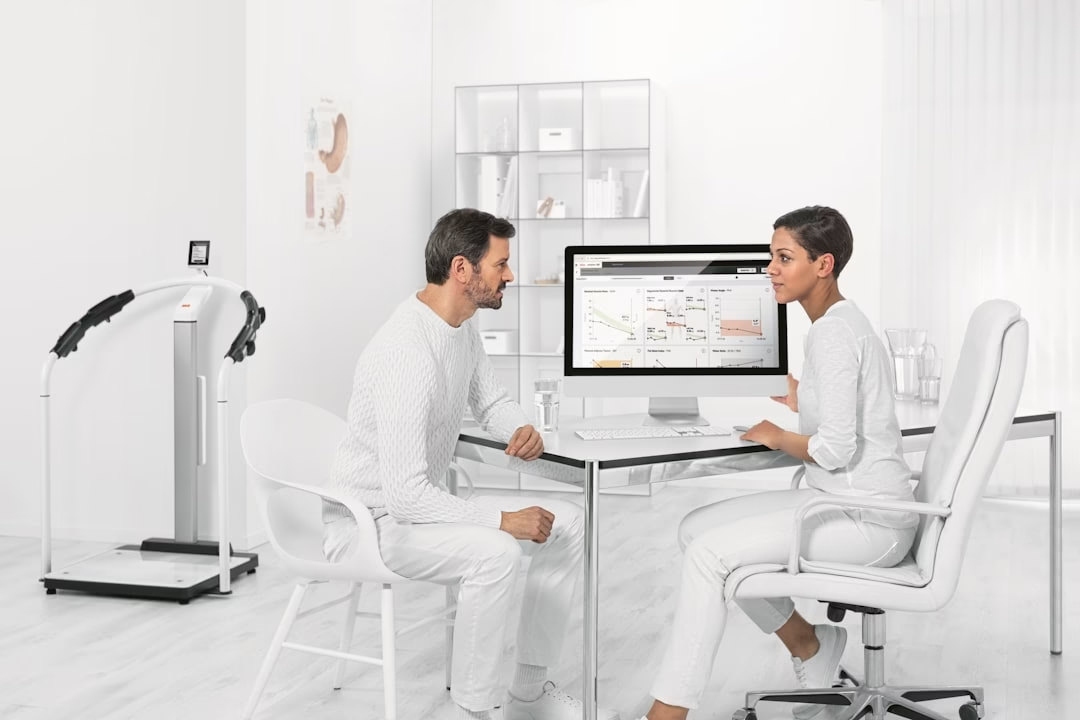
Smart Home Medical Integration Advantages
The strategic advantages of smart home integration with medical devices are compelling. Clinically, it enables data-driven care. Continuous streams of real-world data help doctors tailor treatments. From a safety perspective, integration creates a protective network. For instance, a fall detected by a smart home sensor can trigger an oxygen concentrator to pause and alert a contact. This multi-layered safety net is invaluable.
For the patient, the psychological benefit of increased independence is significant. Automated systems manage routine tasks, reducing anxiety and cognitive load. Economically, early intervention facilitated by monitoring can prevent costly hospital admissions. This aligns with broader healthcare efficiency goals. Moreover, the aggregated, anonymized data from these integrations contributes to population health research. Ultimately, this technology empowers patients to manage their health confidently within their own homes.
Common Questions on Integrated Health Tech
Many patients have questions about adopting this technology. A frequent concern is privacy. Reputable systems use strong encryption and comply with regulations like those from the Dubai Health Authority. Another question is about cost. While there’s an initial investment, long-term savings from prevented complications can be substantial. People also ask about reliability. Robust systems are designed with redundancy, ensuring the core medical device operates even if the smart features temporarily don’t.
Compatibility between old and new devices is another common issue. Using hubs or bridges can often solve this. Patients wonder about the learning curve. Modern systems prioritize user-friendly interfaces. Finally, many ask if internet outages disrupt therapy. Crucially, the primary therapeutic function of devices like CPAPs or concentrators remains fully operational offline. Only the connected features pause until connectivity restores.
Expert Recommendations for 2025
For 2025, experts recommend a phased approach to integration. Start with a single, high-impact device. A smart CPAP is an excellent entry point. Then, gradually add complementary devices and sensors. Prioritize products from manufacturers committed to open standards and strong cybersecurity. When selecting equipment, such as from our range of respiratory equipment and products, inquire specifically about their smart home compatibility features.
Furthermore, involve your healthcare provider in the planning process. They can identify which data points are most clinically valuable. Experts also stress the importance of user training. Understanding how to interpret alerts and data is key. Finally, choose a technology partner who offers ongoing support. The landscape evolves quickly, and having expert guidance ensures your system remains effective, secure, and beneficial for years to come.
Frequently Asked Questions
Is smart home integration with medical devices secure? Yes, when using certified devices and following security best practices like strong passwords and regular updates. Reputable brands design systems with healthcare-grade data protection.
Can I integrate older medical devices? It depends. Some older devices may connect via an add-on module or hub. However, newer devices are typically designed with native connectivity for easier integration.
Will this void my device’s medical warranty? Not if you use manufacturer-approved methods and accessories. Always check the warranty terms or contact our respiratory specialists for clarification.
Do I need a constant internet connection? For real-time remote monitoring and automation, yes. However, the core therapy function of your device will continue to work without internet.
What is the best first device to integrate? A CPAP machine with built-in cellular or Wi-Fi connectivity, like the ResMed AirSense 11, is a powerful and manageable starting point for most users.
How does this help my doctor? It provides them with accurate, detailed therapy adherence and efficacy data, enabling more informed treatment decisions during your consultations.
Conclusion
In conclusion, the integration of smart home technology with medical devices is reshaping respiratory and chronic care. This synergy offers enhanced monitoring, greater autonomy, and improved quality of life. As we move through 2025, these systems will become more intuitive, accessible, and powerful. For patients in the UAE, adopting this technology means partnering with a future-forward healthcare approach that is both personal and precise.
Embracing smart home integration with medical devices requires careful planning and trusted partners. At Oxydubai, we are committed to guiding you through this transition with clinically validated equipment and expert support. By leveraging these connected solutions, you can create a safer, more responsive home environment that actively contributes to your health and well-being every day.

