

Oxygen Concentrator Guide – Complete Guide
Introduction
Searching for oxygen therapy equipment? Understanding when you need an oxygen concentrator guide is crucial for your health. Oxygen therapy provides vital support for individuals with low blood oxygen levels. Consequently, it improves energy, cognitive function, and overall quality of life. In the UAE’s diverse climate, managing respiratory conditions requires reliable solutions. Therefore, recognizing the signs for intervention is the first step toward better wellness.
Modern oxygen concentrators are sophisticated medical devices. They filter and deliver purified oxygen directly to the user. This process supports essential bodily functions and aids recovery. Moreover, the World Health Organization respiratory health guidelines emphasize the importance of adequate oxygen saturation. In the UAE, access to high-quality medical equipment is supported by robust healthcare frameworks.
At Oxydubai, we are trusted by 10,000+ UAE patients. We provide premium respiratory equipment and products. Our mission is to empower individuals with knowledge and technology. This comprehensive oxygen concentrator guide will help you identify key symptoms. Ultimately, timely action can significantly enhance your daily living and long-term health outcomes.
Need Respiratory Solutions?
Understanding Oxygen Concentrator Guide
An oxygen concentrator guide helps you navigate the critical decision of starting oxygen therapy. First, it clarifies the medical indicators for use. Persistent shortness of breath, especially at rest, is a primary sign. Additionally, a rapid heartbeat or palpitations can signal oxygen deprivation. Furthermore, unexplained fatigue and confusion are serious warnings.
Medical professionals use pulse oximeters to measure blood oxygen saturation. Levels consistently below 88-92% often necessitate supplemental oxygen. This assessment aligns with UAE Ministry of Health medical standards. Conditions like COPD, pulmonary fibrosis, or severe asthma frequently require such intervention. Therefore, understanding these signs through a reliable guide is essential.
Choosing the right device involves considering your lifestyle. For instance, stationary units are ideal for home use. Conversely, portable models like the Inogen One G5 portable oxygen concentrator offer mobility. This oxygen concentrator guide emphasizes consulting a healthcare provider for a formal prescription. Ultimately, proper diagnosis ensures you receive the correct flow rate and device type.
Benefits of Oxygen Therapy
Oxygen therapy offers profound benefits for patients with hypoxemia. Primarily, it increases oxygen supply to vital organs. As a result, patients often experience enhanced energy levels and reduced breathlessness. Moreover, better oxygen saturation improves sleep quality and mental alertness. Consequently, daily activities become more manageable and less exhausting.
Long-term use can slow the progression of certain lung diseases. It reduces strain on the heart, lowering the risk of complications. Additionally, therapy supports faster recovery from respiratory illnesses. The Dubai Health Authority healthcare guidelines recommend structured therapy plans. These plans integrate devices like concentrators for optimal patient care.
Using a concentrator promotes independence and improves overall well-being. For example, portable units allow users to maintain social connections. They can travel and engage in light exercise. This freedom significantly boosts psychological health. Furthermore, combining therapy with other devices, such as a ResMed AirSense 11 CPAP machine, can address complex sleep apnea cases. Therefore, the benefits extend beyond simple oxygenation.
Oxygen Concentrator Guide Features
This oxygen concentrator guide highlights key features to consider. Modern concentrators include adjustable flow settings, typically from 1 to 5 liters per minute. They also feature oxygen purity indicators and alarm systems. These alarms alert users to low purity or power failures. Additionally, intuitive controls and displays make operation straightforward for all ages.
Noise level is a critical factor for home units. Fortunately, many models operate quietly, around 40 decibels. Similarly, portability features like weight and battery life are vital. For instance, the Inogen One G5 is renowned for its lightweight design. Moreover, compatibility with various oxygen delivery systems, like nasal cannulas, adds versatility.
Advanced units offer connectivity for remote monitoring. This allows healthcare providers to track usage and efficacy. Such features ensure therapy adherence and safety. When selecting a device, verify it meets Health Authority Abu Dhabi regulations. Ultimately, the right features tailor the therapy to your specific medical and lifestyle needs, making this oxygen concentrator guide a practical tool.
Device Specifications Overview
Understanding technical specifications ensures you choose an effective device. Key specs include oxygen output purity, often exceeding 90% at prescribed flows. Weight and dimensions determine portability; home units are heavier but more powerful. Conversely, portable concentrators are compact but may have lower maximum flow rates. Battery duration is another crucial specification for active users.
Power requirements vary between AC and DC inputs. Most home units plug into standard wall outlets. However, portable models use rechargeable lithium-ion batteries. Furthermore, warranty length and service support are non-negotiable considerations. Reliable suppliers offer comprehensive after-sales service. This is essential for maintaining device performance over time.
Always check for certifications from bodies like the UAE Ministry of Health. These certifications guarantee safety and efficacy. For those requiring non-invasive ventilation, a device like the ResMed Astral 150 ventilator might be recommended. Comparing specs against your prescription and lifestyle will lead to the best choice. Therefore, detailed knowledge empowers informed decisions.
Expert Medical Advice?
Setup & Maintenance
Proper setup and maintenance are vital for device longevity and safety. First, place the concentrator in a well-ventilated area away from walls. Ensure the power source is stable and dedicated. Next, connect the oxygen tubing and cannula securely. Then, power on the unit and set the flow rate as prescribed. Finally, perform a brief test to confirm oxygen delivery.
Routine maintenance includes cleaning the external filter weekly. Replace the filter as recommended by the manufacturer. Additionally, wipe the exterior with a damp cloth. It is also crucial to inspect tubing for cracks or kinks regularly. Furthermore, schedule professional servicing annually. This ensures internal components function correctly.
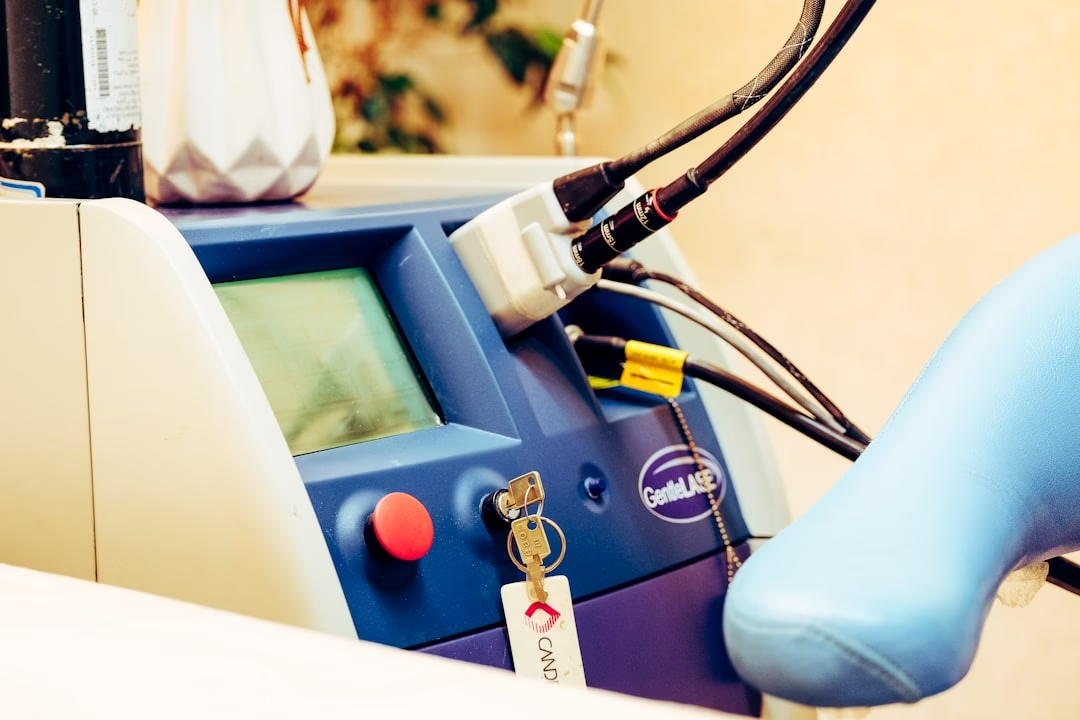
Adhering to maintenance schedules prevents unexpected breakdowns. It also ensures consistent oxygen purity. For users of other respiratory devices, like the ResMed AirFit F30i mask, similar hygiene practices apply. Following the manufacturer’s guidelines and UAE government healthcare regulations on medical device upkeep is mandatory. Consequently, diligent care guarantees reliable therapy.
Oxygen Concentrator Guide Advantages
This oxygen concentrator guide outlines the distinct advantages of modern devices. Firstly, they provide a continuous, cost-effective oxygen supply compared to tanks. There are no refills or deliveries needed. Secondly, they are incredibly safe, eliminating the risks associated with high-pressure oxygen cylinders. Moreover, advanced safety features offer peace of mind.
Concentrators enhance quality of life dramatically. They enable users to perform daily tasks with less effort. Social isolation decreases as mobility increases. For travelers, portable models are a game-changer. They comply with airline regulations, allowing for greater freedom. This advantage is highlighted in our comprehensive oxygen concentrator guide.
Technological integration is another key benefit. Many devices sync with apps for health tracking. This data helps doctors optimize treatment plans. When used alongside a ResMed AirMini compact CPAP, patients can manage complex respiratory and sleep disorders effectively. Therefore, the advantages are multifaceted, impacting health, convenience, and safety.
Common Questions
Prospective users often have several common questions. A frequent query is about noise levels during sleep. Most modern concentrators are designed to operate quietly. Another common question concerns electricity dependence. While stationary units need power, portable versions have batteries for outages. Additionally, many ask about travel rules. Most airlines approve specific portable concentrators with advance notice.
People also inquire about the need for a humidifier. For higher flow rates, adding a humidifier can prevent nasal dryness. Furthermore, questions about insurance and cost are typical. In the UAE, many insurance plans cover prescribed oxygen therapy equipment. It’s advisable to check with your provider and understand the UAE Ministry of Health medical standards for coverage.
Finally, users wonder about device lifespan. With proper maintenance, a quality concentrator can last 5-7 years. Regular servicing is key. For any technical or product-specific questions, you can always contact our respiratory specialists. They provide personalized advice based on your medical history and needs.
Expert Recommendations
Medical experts emphasize a patient-centric approach to oxygen therapy. First, always obtain a formal prescription and thorough training. Understanding how to use your device correctly is paramount. Secondly, experts recommend regular monitoring of oxygen saturation. Keep a log to share with your pulmonologist during check-ups. This practice helps tailor your therapy over time.
Choosing a device from a reputable supplier is crucial. Look for companies with strong clinical support and service networks. Experts also advise integrating therapy into a holistic management plan. This plan might include pulmonary rehabilitation and proper nutrition. Additionally, ensuring your living environment is clean and dust-free supports respiratory health.
For complex cases, a multi-device strategy may be best. For example, combining oxygen therapy with a CPAP machine can address overlapping conditions. Experts referenced by the World Health Organization respiratory health guidelines support integrated care models. Therefore, follow your doctor’s advice and use reliable resources like this oxygen concentrator guide to stay informed.
FAQ
Q1: What are the top signs I need an oxygen concentrator?
A: Key signs include chronic shortness of breath, fatigue, confusion, swelling in ankles, and a bluish tint to lips or fingernails (cyanosis).
Q2: How does an oxygen concentrator work?
A: It draws in room air, removes nitrogen, and delivers concentrated oxygen through a cannula or mask.
Q3: Can I travel with a portable oxygen concentrator?
A: Yes, most airlines approve specific portable models. Always check with the airline and carry your prescription.
Q4: How often should I clean my concentrator?
A: Clean the external filter weekly and wipe the surface regularly. Follow the manufacturer’s manual for detailed schedules.
Q5: Do I need a prescription for an oxygen concentrator?
A: Yes, a medical prescription is legally required to ensure you receive the correct flow rate and device type.
Q6: Where can I find a reliable oxygen concentrator guide and products?
A: For a comprehensive oxygen concentrator guide and trusted products, explore our range of respiratory equipment and products.
Conclusion
Recognizing the signs for oxygen therapy is a vital step toward managing respiratory health. This comprehensive oxygen concentrator guide has outlined the key symptoms, benefits, and technical considerations. From persistent breathlessness to improved quality of life, the impact of timely intervention is significant. Therefore, consulting a healthcare professional upon noticing these signs is imperative.
In the UAE, patients have access to world-class medical guidelines and technology. Adhering to standards set by the Dubai Health Authority ensures safe and effective treatment. Choosing the right device, whether a stationary or portable model, can restore independence and vitality. Moreover, proper setup and maintenance guarantee long-term reliability.
We hope this guide empowers you to make informed decisions about your respiratory care. If you have identified with any of the signs discussed, take action. Explore our curated selection of medical-grade equipment and contact our respiratory specialists for personalized advice. Ultimately, prioritizing your lung health is an investment in a fuller, more active life.

