Zakat Medical Equipment Charity – Complete Guide
Managing respiratory conditions in UAE? Access to vital medical equipment can be life-changing. Consequently, Islamic charitable principles like Zakat offer a powerful mechanism for support. This guide explores using Zakat for medical equipment. It covers eligibility, recipient identification, and sustainable Waqf structures. The World Health Organization respiratory health guidelines emphasize equipment access importance. Therefore, charitable giving becomes crucial for community health. At Oxydubai, trusted by 10,000+ UAE patients with premium respiratory equipment and products.
Need Respiratory Solutions?
Understanding Zakat Medical Equipment Charity
Zakat medical equipment charity represents a specialized form of Islamic giving. It specifically addresses healthcare accessibility challenges. This approach transforms traditional charity into targeted medical support. The UAE government supports such initiatives through UAE government healthcare regulations. Therefore, donors can ensure compliance with local laws. Medical equipment like CPAP machines and oxygen concentrators qualify as essential needs. They directly impact recipients’ quality of life. Furthermore, this charity model creates sustainable healthcare solutions. It aligns with Islamic principles of preserving life and dignity.
Proper implementation requires understanding specific requirements. For instance, equipment must serve genuine medical needs. Additionally, distribution should follow Islamic guidelines. The ResMed AirSense 11 CPAP machine represents equipment that could be donated. Such devices significantly improve sleep apnea management. Consequently, they become valuable Zakat assets. This approach demonstrates how modern medical needs integrate with traditional Islamic charity.
Benefits of Medical Equipment Donation
Medical equipment donation offers numerous advantages for recipients. Primarily, it provides life-saving resources to those in need. Patients gain access to technology they couldn’t otherwise afford. This directly improves health outcomes and quality of life. Moreover, equipment donation reduces financial burdens on healthcare systems. It supports underfunded medical facilities and individual patients alike. The UAE Ministry of Health medical standards ensure donated equipment meets safety requirements.
Donors also experience significant benefits from this form of charity. They fulfill religious obligations while making tangible impacts. Additionally, they contribute to community health infrastructure development. This creates lasting positive effects beyond immediate relief. For example, donating a Inogen One G5 portable oxygen concentrator enables mobility and independence. Therefore, the benefits extend beyond medical treatment to lifestyle improvement.
Zakat Medical Equipment Charity Features
Zakat medical equipment charity contains several distinctive features. First, it requires specific eligibility criteria for both donors and recipients. Donors must meet Nisab thresholds and possess the funds for a full lunar year. Recipients must qualify under one of the eight Zakat recipient categories. Second, this charity form emphasizes sustainable impact. Equipment should provide long-term benefits rather than temporary relief. The Dubai Health Authority healthcare guidelines support such sustainable healthcare approaches.
Another key feature involves proper equipment selection and maintenance. Donated equipment must be medically appropriate and functional. For instance, the ResMed AirMini compact CPAP offers portability and reliability. These features make it suitable for various patient needs. Furthermore, training and support should accompany equipment donations. This ensures recipients can properly use and maintain the devices. Consequently, the charity’s effectiveness increases significantly.
Charitable Donation Specifications
Medical equipment donations must meet specific technical specifications. These ensure safety, effectiveness, and compatibility with local standards. Equipment should be new or thoroughly refurbished to medical grade standards. It must include all necessary accessories for proper operation. Additionally, documentation and user manuals should accompany each donation. The Health Authority Abu Dhabi regulations provide detailed equipment requirements. Compliance with these standards is essential for successful donations.
Different medical conditions require specific equipment types. For critical respiratory needs, the ResMed Astral 150 ventilator offers advanced features. It provides life-support capabilities for severe cases. Alternatively, for home sleep therapy, CPAP machines with appropriate masks are necessary. Proper specification matching ensures donations effectively address medical needs. Therefore, consultation with medical professionals becomes crucial during selection.
Expert Medical Advice?
Setup and Maintenance Procedures
Proper setup and maintenance ensure donated equipment functions correctly. First, professional installation by qualified technicians is essential. This guarantees optimal performance and user safety. Second, comprehensive user training must accompany each donation. Recipients should understand basic operation, troubleshooting, and safety precautions. The ResMed AirFit F30i mask requires proper fitting for effective therapy. Therefore, professional assistance during initial setup is crucial.
Regular maintenance preserves equipment functionality and extends lifespan. Scheduled cleaning, part replacements, and performance checks are necessary. Additionally, technical support should be available for troubleshooting. This ongoing support maximizes the donation’s long-term impact. Furthermore, maintenance records help track equipment condition and usage patterns. Consequently, future donations can be better planned and allocated based on actual needs and usage data.
Zakat Medical Equipment Charity Advantages
Zakat medical equipment charity offers unique advantages over other forms of giving. First, it provides tangible, measurable impacts on recipients’ lives. Donors can see exactly how their contributions help specific individuals or communities. Second, this approach addresses fundamental healthcare access issues. It bridges gaps in medical resource distribution. The World Health Organization respiratory health guidelines emphasize equipment access importance in healthcare systems.
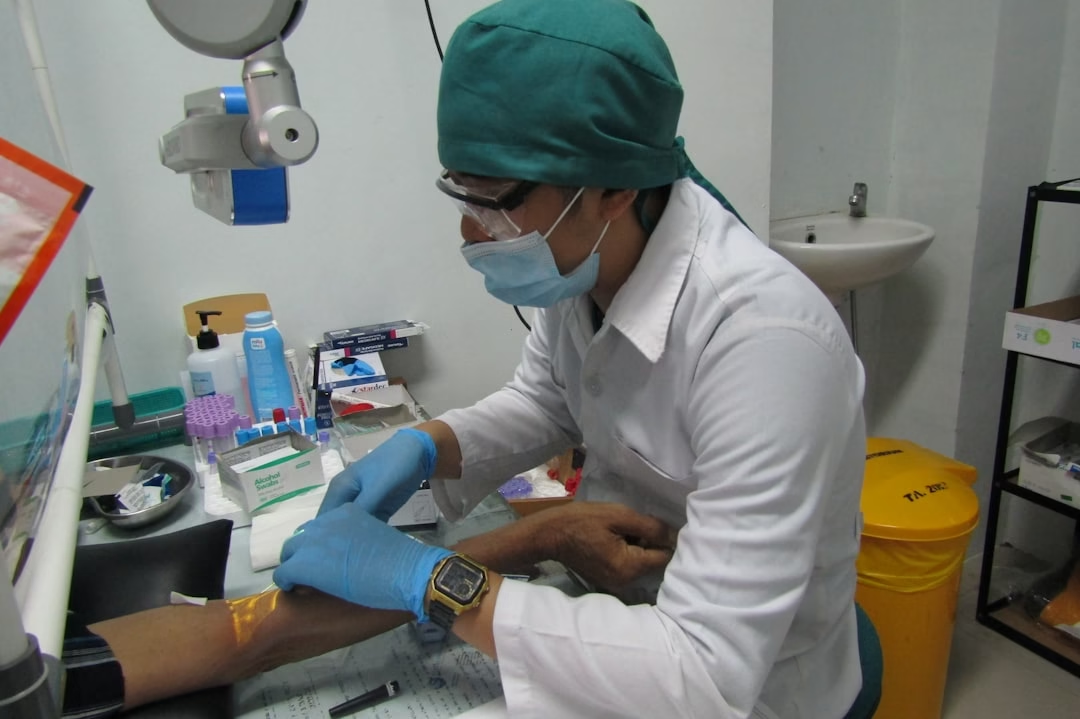
Another significant advantage involves the sustainable nature of equipment donations. Unlike consumable medical supplies, equipment provides long-term benefits. A single donation can serve multiple patients over several years. This creates ongoing Sadaqah Jariyah (continuous charity) for donors. Moreover, equipment donations strengthen community healthcare infrastructure. They enable local medical facilities to serve more patients effectively. Consequently, the entire community benefits from improved healthcare capabilities.
Common Questions Answered
Many donors have questions about medical equipment Zakat eligibility. Can Zakat funds purchase new equipment for eligible recipients? Absolutely, this represents a valid and highly beneficial use of Zakat. What about maintenance costs for donated equipment? These can also be covered by Zakat if the recipient qualifies. The UAE Ministry of Health medical standards help determine appropriate equipment types.
Another common question involves international donations. Can Zakat medical equipment charity support recipients abroad? Yes, provided they meet eligibility criteria and local regulations permit such transfers. How does one verify recipient eligibility? Working with established Islamic charities and medical institutions ensures proper verification. Additionally, how does Zakat medical equipment charity differ from general medical charity? It specifically follows Zakat distribution rules while focusing on equipment rather than general medical expenses.
Expert Recommendations and Guidelines
Medical and religious experts provide specific recommendations for equipment charity. First, prioritize equipment that addresses common, serious medical conditions. Respiratory equipment often tops this list due to its life-saving potential. Second, ensure equipment compatibility with local medical infrastructure. This includes power requirements, part availability, and service support. The Dubai Health Authority healthcare guidelines offer valuable insights into appropriate equipment specifications.
Experts also recommend establishing partnerships with medical professionals. Their input ensures donated equipment meets actual clinical needs. Furthermore, they can assist with recipient identification and training. Regular monitoring and evaluation help improve donation programs over time. Additionally, considering Waqf structures for larger equipment donations creates sustainable funding models. This approach ensures long-term equipment availability and maintenance. Consequently, the charitable impact extends far beyond initial donations.
Frequently Asked Questions
Who qualifies for Zakat medical equipment charity? Individuals meeting Zakat recipient criteria with genuine medical needs qualify.
What equipment types are most needed? Respiratory devices, mobility aids, and diagnostic equipment rank highest.
How is equipment value calculated for Zakat? Market value at donation time determines Zakat calculation.
Can organizations receive Zakat medical equipment charity? Yes, if they serve eligible individuals and meet distribution criteria.
What makes Zakat medical equipment charity effective? Proper needs assessment, quality equipment, and ongoing support ensure effectiveness.
How does Zakat medical equipment charity integrate with Waqf? Waqf structures can fund ongoing equipment purchase, maintenance, and replacement.
For specific product inquiries, contact our respiratory specialists for personalized assistance.
Conclusion
Zakat medical equipment charity represents a powerful fusion of Islamic principles and modern healthcare needs. It addresses critical gaps in medical resource distribution while fulfilling religious obligations. Proper implementation requires understanding eligibility criteria, recipient identification, and sustainable structures. Furthermore, collaboration with medical professionals ensures donations effectively address real needs. The growing importance of respiratory care in modern medicine makes equipment donations particularly valuable.
This approach to charity creates lasting impacts beyond immediate relief. It strengthens community healthcare infrastructure and provides sustainable solutions. Additionally, it demonstrates Islam’s comprehensive approach to human welfare. By combining religious devotion with practical healthcare support, Zakat medical equipment charity embodies the holistic nature of Islamic giving. Consequently, it represents an increasingly important aspect of Muslim charitable practice in addressing contemporary medical challenges.