Medical Equipment Distribution – Complete Guide
Introduction
Managing respiratory conditions in UAE? Effective medical equipment distribution is crucial. This process ensures life-saving devices reach those in need. Consequently, it improves patient outcomes significantly. The UAE’s advanced healthcare system relies on robust distribution networks. These networks support patients with chronic respiratory illnesses. Therefore, they require careful coordination and planning.
Medical equipment distribution involves complex logistics. It starts from sourcing devices to final delivery. Moreover, it includes maintenance and user training. This guide explores the entire ecosystem. We will cover charity registration, donor engagement, and supply chain management. Additionally, we will discuss UAE-specific regulations and best practices.
At Oxydubai, trusted by 10,000+ UAE patients with premium respiratory equipment and products. Our experience shows that proper distribution saves lives. It also reduces healthcare costs dramatically. Thus, understanding this process benefits everyone involved.
Need Respiratory Solutions?
Understanding Medical Equipment Distribution
Medical equipment distribution is a multi-stage process. It begins with identifying community needs. Then, it moves to sourcing appropriate devices. After that, logistics ensure timely delivery. Finally, training and support complete the cycle. This comprehensive approach ensures maximum impact.
In the UAE, distribution follows strict guidelines. The UAE Ministry of Health medical standards govern all medical device distributions. These regulations ensure patient safety and device efficacy. Furthermore, they require proper documentation and tracking. Therefore, organizations must maintain detailed records.
Effective distribution requires specialized knowledge. For instance, respiratory devices like the ResMed AirSense 11 CPAP machine need specific handling. They also require user education. Otherwise, patients may not benefit fully. Thus, training is an essential component.
Technology plays a crucial role in modern distribution. Digital platforms track inventory and deliveries. They also monitor device usage and maintenance needs. Consequently, they improve efficiency and accountability. This technological integration is vital for large-scale operations.
Benefits of Equipment Provision Programs
Equipment provision programs offer numerous advantages. Primarily, they improve healthcare access for underserved populations. They also reduce the financial burden on patients. Moreover, they support public health initiatives significantly.
Patients benefit from better disease management. For example, the Inogen One G5 portable oxygen concentrator enhances mobility. It allows users to maintain active lifestyles. Consequently, it improves their quality of life dramatically.
Healthcare systems also gain substantially. These programs reduce hospital readmission rates. They also decrease emergency room visits. Therefore, they optimize resource allocation. The World Health Organization respiratory health guidelines emphasize this community-based approach.
Communities develop stronger support networks. They become more resilient to health challenges. Additionally, they foster collaboration between various stakeholders. Thus, everyone works towards common health goals.
Medical Equipment Distribution Features
Modern medical equipment distribution has distinct features. First, it prioritizes patient-specific solutions. Devices must match individual medical needs. Second, it emphasizes quality assurance. All equipment must meet international standards.
Another key feature is comprehensive support. This includes installation, training, and maintenance. For instance, the ResMed Astral 150 ventilator requires professional setup. Users also need proper training for safe operation.
Technology integration is increasingly important. Digital platforms manage inventory and track shipments. They also facilitate remote monitoring and support. Consequently, they enhance operational efficiency significantly.
Compliance with local regulations is mandatory. In Dubai, the Dubai Health Authority healthcare guidelines must be followed. These ensure patient safety and device effectiveness. Therefore, organizations must stay updated on regulatory changes.
Device Provision Specifications
Device provision requires careful specification management. Each medical device has unique technical requirements. These specifications determine its suitability for patients. They also affect maintenance needs and lifespan.
Portable devices have specific power requirements. The ResMed AirMini compact CPAP operates on multiple power sources. This flexibility makes it ideal for travelers. However, users must understand these specifications.
Safety standards are non-negotiable. All devices must carry relevant certifications. In Abu Dhabi, the Health Authority Abu Dhabi regulations enforce strict compliance. These regulations protect both patients and providers.
Interoperability is increasingly important. Devices should work with existing healthcare systems. They should also integrate with monitoring platforms. This connectivity enhances patient care coordination. Thus, it improves overall treatment outcomes.
Expert Medical Advice?
Setup & Maintenance
Proper setup ensures device effectiveness and safety. Each medical device requires specific installation procedures. For example, the ResMed AirFit F30i mask needs correct fitting. Otherwise, it may not provide adequate therapy.
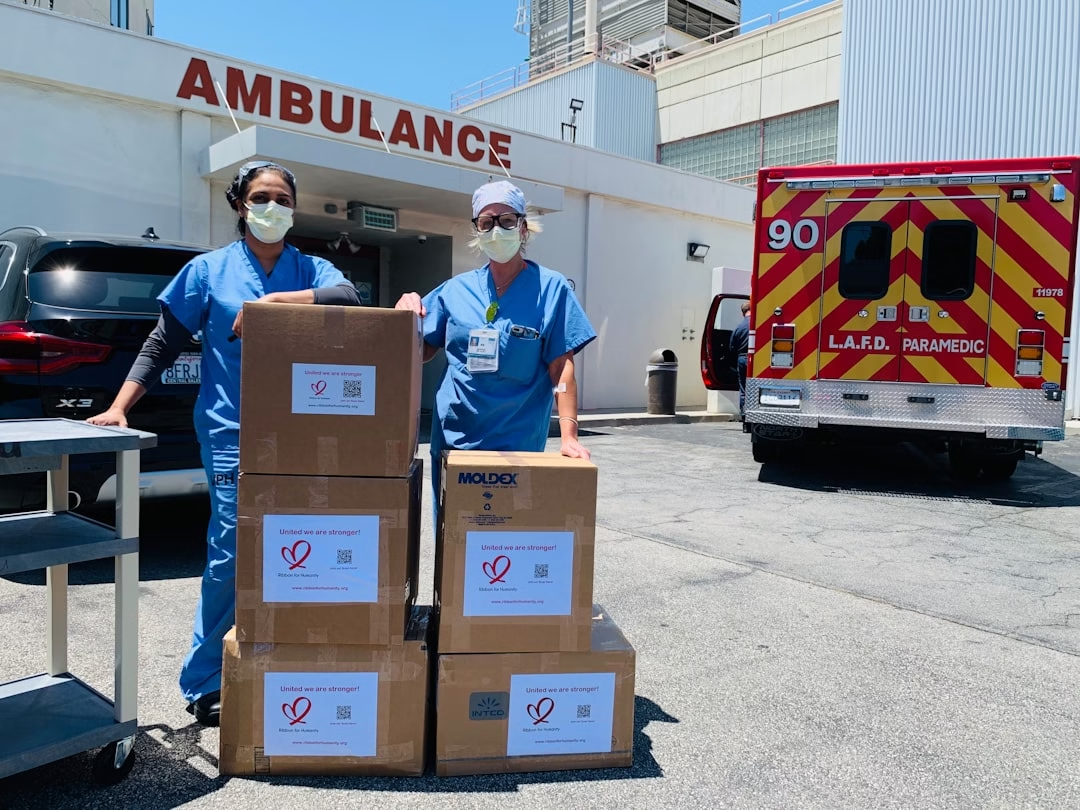
Maintenance schedules are equally important. Regular cleaning and inspection prevent malfunctions. They also extend device lifespan significantly. Therefore, organizations must provide clear maintenance guidelines.
Training programs are essential components. Patients and caregivers need proper instruction. They must understand basic troubleshooting procedures. Consequently, they can address minor issues independently.
Documentation supports effective maintenance. Service records track device history. They also help identify recurring problems. Thus, they inform future procurement decisions. The UAE government healthcare regulations often require this documentation.
Medical Equipment Distribution Advantages
Medical equipment distribution offers significant advantages. It bridges healthcare access gaps effectively. It also promotes health equity across communities. Moreover, it supports sustainable development goals.
Economic benefits are substantial. Proper distribution reduces healthcare costs. It prevents complications through early intervention. Therefore, it saves resources for healthcare systems.
Social impact is profound. Patients regain independence and productivity. Families experience reduced caregiving burdens. Communities become more inclusive. Thus, distribution programs create positive ripple effects.
Technological advancement accelerates through distribution. New devices reach users faster. Feedback informs product improvements. Consequently, innovation cycles shorten significantly. This benefits the entire healthcare ecosystem.
Common Questions
How do I choose the right respiratory device? Consider medical needs, lifestyle, and doctor recommendations. The respiratory equipment and products range offers various options.
What maintenance do CPAP machines require? Daily cleaning of masks, weekly hose cleaning, and regular filter replacement ensure optimal performance.
Are portable oxygen concentrators allowed on airplanes? Most airlines permit approved portable concentrators with advance notification and proper documentation.
How often should ventilator settings be checked? Clinical reassessment should occur every 3-6 months or when the patient’s condition changes significantly.
What is the typical lifespan of medical equipment? Lifespan varies by device but typically ranges from 3-7 years with proper maintenance and care.
How does medical equipment distribution work in emergencies? Emergency distribution follows streamlined protocols with priority given to critical needs and rapid deployment.
Expert Recommendations
Experts emphasize needs assessment before distribution. Understanding community requirements ensures appropriate device selection. It also prevents resource wastage. Therefore, thorough assessment is fundamental.
Partnerships enhance distribution effectiveness. Collaborating with local healthcare providers improves reach. It also builds community trust. Consequently, programs achieve better outcomes.
Technology adoption is crucial. Digital platforms streamline inventory management. They also facilitate remote monitoring. Thus, they optimize resource utilization significantly.
Continuous evaluation ensures program improvement. Regular feedback collection identifies areas for enhancement. It also measures impact accurately. Therefore, it guides future planning effectively. For specific needs, contact our respiratory specialists.
Conclusion
Medical equipment distribution is a vital healthcare component. It requires careful planning and execution. Moreover, it demands collaboration among multiple stakeholders. This guide has explored key aspects from registration to logistics.
The UAE’s advanced infrastructure supports effective distribution. However, challenges remain in reaching all populations. Therefore, continuous improvement is necessary. Innovation will drive future advancements in this field.
Organizations must prioritize patient needs above all. They should also maintain regulatory compliance. Furthermore, they must embrace technological solutions. These principles ensure sustainable and impactful distribution.
Ultimately, successful medical equipment distribution transforms lives. It provides hope and improves health outcomes. Thus, it deserves our continued attention and support. Together, we can build healthier communities through effective device provision.