

Medical Equipment Depreciation Guide for Businesses
Managing respiratory conditions in the UAE? Understanding medical equipment depreciation is crucial for healthcare businesses. This financial process allows you to allocate the cost of vital assets over their useful life. Consequently, you can manage cash flow and make informed budgeting decisions. The UAE’s healthcare sector relies on advanced technology for patient care. Therefore, proper depreciation accounting ensures financial sustainability and compliance.
Medical equipment depreciation offers significant tax advantages for clinics and hospitals. It reflects the wear and tear of devices like ventilators and diagnostic machines. Moreover, it impacts your balance sheet and profitability statements directly. Following UAE Ministry of Health medical standards for equipment usage also ties into its financial lifecycle. At Oxydubai, trusted by 10,000+ UAE patients, we provide premium respiratory equipment and products.
Accurate depreciation tracking supports long-term financial planning. It helps you anticipate replacement cycles for critical care equipment. Furthermore, it ensures you comply with international financial reporting standards. This guide will explore the essential aspects every healthcare business should know.
Need Respiratory Solutions?
Understanding Medical Equipment Depreciation
Medical equipment depreciation represents the gradual loss of an asset’s value. This accounting process recognizes that equipment loses value through use and technological obsolescence. For instance, a ResMed AirSense 11 CPAP machine has a predictable useful lifespan. Therefore, businesses spread its cost over several years for accurate financial reporting.
Several factors influence depreciation rates for medical devices. Usage intensity, maintenance quality, and technological advancements are key considerations. Additionally, compliance with Dubai Health Authority healthcare guidelines may affect equipment longevity. Regular calibration and proper handling can extend an asset’s productive life. Consequently, this impacts your depreciation calculations and financial planning.
The concept matches equipment expenses with the revenue they generate. This principle ensures accurate profit measurement each accounting period. Moreover, it helps businesses build reserves for future equipment replacements. Understanding this process is fundamental for sustainable healthcare operations.
Benefits of Asset Value Reduction
Proper depreciation management offers multiple financial advantages. Firstly, it reduces taxable income by recognizing equipment expense over time. This strategic approach improves cash flow management significantly. Secondly, it provides a realistic view of your organization’s net worth. For example, knowing the current value of an Inogen One G5 portable oxygen concentrator aids in insurance and financing decisions.
Another benefit involves budgeting for equipment upgrades and replacements. By tracking depreciation, you can plan for capital expenditures proactively. This prevents sudden financial strains when technology becomes obsolete. Furthermore, it supports compliance with UAE government healthcare regulations regarding equipment standards. Accurate records demonstrate responsible financial management to regulators and investors.
Depreciation also enhances decision-making about equipment repairs versus replacement. When assets near the end of their useful life, maintenance costs often increase. Therefore, depreciation data helps determine the most cost-effective approach. This strategic insight optimizes your operational efficiency and resource allocation.
Medical Equipment Depreciation Features
Medical equipment depreciation incorporates several distinctive characteristics. Unlike other assets, medical devices often have shorter lifespans due to rapid technological advances. For instance, a ResMed AirMini compact CPAP might become outdated before it physically wears out. This technological obsolescence must factor into your depreciation calculations.
Another feature involves the relationship between usage patterns and depreciation methods. High-usage equipment in busy clinics may warrant accelerated depreciation. Conversely, standby emergency equipment might use straight-line methods. Additionally, World Health Organization respiratory health guidelines sometimes influence equipment replacement cycles. These considerations make medical asset depreciation uniquely complex.
Residual value estimation is particularly challenging for medical technology. While some equipment retains minimal value, specialized devices might have secondary markets. Understanding these nuances helps select appropriate depreciation approaches. Consequently, your financial statements will better reflect economic reality.
Asset Lifespan Specifications
Medical equipment lifespan varies significantly by device type and usage. Generally, complex life-support equipment like the ResMed Astral 150 ventilator has different depreciation timelines than patient monitors. The IRS provides guidelines through the Modified Accelerated Cost Recovery System (MACRS). However, actual experience may differ based on clinical demands and maintenance practices.
Several factors determine realistic equipment lifespans. Build quality, technological stability, and service accessibility all contribute. Additionally, Health Authority Abu Dhabi regulations may mandate specific equipment replacement schedules. For example, critical care equipment often has stricter compliance requirements than general-use devices. These regulatory aspects directly impact depreciation timelines.
Documenting equipment maintenance is essential for justifying depreciation periods. Regular servicing, like replacing ResMed AirFit F30i mask components, extends useful life. Conversely, poor maintenance may shorten it. Therefore, maintenance records support your depreciation methodology during audits. This documentation ensures compliance and accurate financial reporting.
Expert Medical Advice?
Setup and Maintenance Tracking
Implementing effective depreciation systems requires careful planning. Firstly, establish a comprehensive asset register with purchase details and expected lifespans. This database should include serial numbers, locations, and responsible personnel. Secondly, select appropriate depreciation methods for different equipment categories. For example, mobile devices might depreciate faster than stationary equipment.
Regular maintenance directly impacts depreciation calculations. Well-maintained equipment typically retains functionality longer than neglected devices. Therefore, implementing preventive maintenance schedules is financially beneficial. Additionally, following manufacturer guidelines for devices like the ResMed AirSense 11 CPAP machine ensures optimal performance. This practice supports your estimated useful life assumptions.
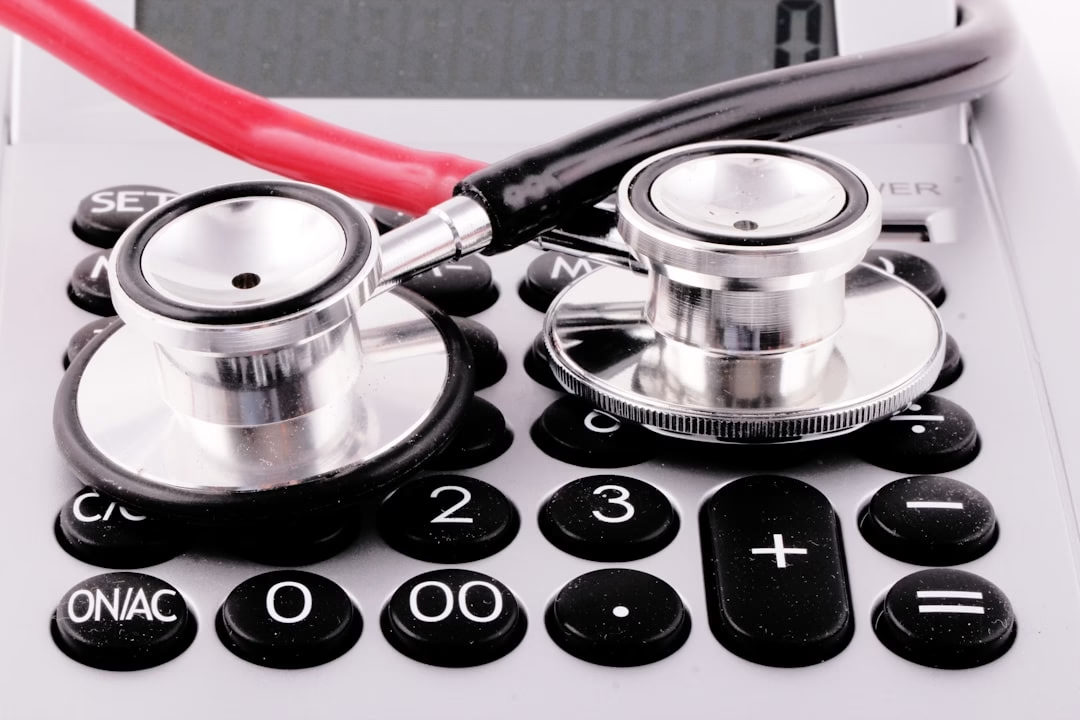
Technology systems can automate depreciation tracking and reporting. Modern accounting software often includes fixed asset modules for this purpose. These systems calculate depreciation automatically and generate required reports. Consequently, they reduce administrative burden and improve accuracy. Regular reviews ensure your methods remain appropriate as equipment usage patterns evolve.
Medical Equipment Depreciation Advantages
The strategic application of medical equipment depreciation delivers significant business benefits. Firstly, it enables accurate pricing of medical services by incorporating equipment costs. This ensures your practice remains financially sustainable while providing quality care. Secondly, it supports informed capital budgeting decisions. For instance, understanding depreciation helps evaluate leasing versus purchasing options for an Inogen One G5 portable oxygen concentrator.
Another advantage involves tax planning and compliance. Proper depreciation reduces taxable income while remaining within regulatory guidelines. This optimization requires understanding current tax laws and anticipated changes. Furthermore, depreciation data strengthens loan applications by demonstrating financial management sophistication. Lenders appreciate systematic approaches to asset management.
Depreciation records also support insurance claims and dispute resolutions. Detailed equipment valuations help substantiate losses during incidents. Additionally, they provide evidence for equipment-related deductions during audits. This documentation protects your organization financially. Therefore, maintaining accurate depreciation records is both a strategic and protective practice.
Common Depreciation Questions
Businesses often have questions about implementing depreciation strategies. One frequent question involves choosing between different depreciation methods. The answer depends on your equipment usage patterns and financial objectives. Another common question concerns handling equipment improvements and upgrades. Generally, capital improvements extend useful life and require depreciation adjustment.
Many organizations wonder about disposing of partially depreciated equipment. When replacing equipment before its full depreciation, you may recognize a gain or loss. This impacts your financial statements for that period. Additionally, businesses question how to handle donated or partially-funded equipment. These assets still require depreciation based on their fair market value at acquisition.
International operations present unique depreciation challenges. Companies operating across borders must reconcile different accounting standards. This complexity requires careful planning and expert advice. Understanding these common scenarios helps avoid pitfalls in depreciation management. Consequently, your financial reporting will remain accurate and compliant.
Expert Implementation Recommendations
Implementing effective medical equipment depreciation requires expert approach. Firstly, conduct a thorough inventory and classification of all equipment assets. Categorize devices by type, criticality, and expected technological relevance. Secondly, select depreciation methods that match equipment usage patterns. For high-tech devices prone to obsolescence, consider accelerated methods.
Engage financial and clinical staff in depreciation planning. Clinical insights about equipment usage improve lifespan estimates significantly. Additionally, consult contact our respiratory specialists for equipment-specific insights. Their practical experience with device longevity in clinical settings provides valuable data. This collaboration ensures your depreciation reflects operational reality.
Regularly review and adjust your depreciation policies. Technology changes and regulatory updates may necessitate method modifications. Furthermore, analyze equipment performance data to validate useful life assumptions. This continuous improvement approach optimizes your financial management. Ultimately, it supports both clinical excellence and financial health.
Frequently Asked Questions
How does medical equipment depreciation differ from other assets? Medical devices often face faster technological obsolescence than general business assets. This typically results in shorter useful lives and potentially accelerated depreciation methods.
What is the typical lifespan for respiratory equipment? Lifespans vary by device, but portable oxygen concentrators typically last 3-5 years, while CPAP machines may function for 5-7 years with proper maintenance.
Can we change depreciation methods after starting? Method changes generally require approval from tax authorities and justification for the change. Consistency is preferred unless significant operational changes occur.
How does equipment leasing affect depreciation? Leased equipment typically doesn’t depreciate on your books unless it’s a capital lease. Instead, lease payments expense as incurred.
What records should we maintain for depreciation? Keep purchase documents, maintenance records, usage logs, and disposal documentation. These support your depreciation calculations during reviews or audits.
How does medical equipment depreciation impact cash flow? While depreciation is a non-cash expense, it reduces taxable income, thereby decreasing tax payments and improving operational cash flow.
Conclusion
Effective medical equipment depreciation management is essential for healthcare businesses. It provides accurate financial reporting while optimizing tax positions. Furthermore, it supports strategic planning for equipment refresh cycles. Understanding the nuances of different depreciation methods allows customized approaches for various device types.
The intersection of clinical needs and financial management requires balanced decisions. Proper medical equipment depreciation practices contribute significantly to organizational sustainability. They ensure resources are available for technology upgrades as standards evolve. Additionally, they demonstrate fiscal responsibility to stakeholders and regulators.
Implementing systematic depreciation processes ultimately enhances patient care capabilities. By accurately accounting for equipment costs, businesses can invest in advanced technologies confidently. This commitment to both clinical excellence and financial stewardship defines successful healthcare organizations. Therefore, mastering depreciation principles is not just accounting—it’s strategic management.