

Continuous Glucose Monitors Respiratory Patients – Complete Guide
Introduction
Managing respiratory conditions in UAE? Continuous glucose monitors respiratory patients represent a revolutionary approach to managing complex health challenges. These advanced devices provide real-time glucose data that can significantly impact respiratory function and overall wellness. For individuals dealing with both diabetes and breathing difficulties, this technology offers unprecedented insights into how blood sugar levels affect respiratory health.
The connection between glucose control and respiratory function is well-established in medical literature. Consequently, maintaining stable blood sugar can improve breathing efficiency and reduce complications. In the UAE healthcare context, where diabetes prevalence is significant, integrating CGM technology with respiratory care creates powerful synergy. This approach helps patients achieve better health outcomes through coordinated management of multiple conditions.
At Oxydubai, trusted by 10,000+ UAE patients with premium respiratory equipment and products, we understand the importance of comprehensive care solutions. Our specialists recognize that diabetes management intersects significantly with respiratory therapy. Therefore, we provide guidance on how continuous glucose monitoring can complement your existing treatment plan.
The UAE healthcare system continues to advance rapidly, with increasing recognition of the value of integrated care approaches. As a result, patients now have access to more sophisticated monitoring technologies than ever before. This guide explores how continuous glucose monitors benefit respiratory patients specifically within the UAE medical landscape.
Need Respiratory Solutions?
Understanding Continuous Glucose Monitors Respiratory Patients
Continuous glucose monitors respiratory patients utilize sophisticated sensor technology to track blood sugar levels around the clock. These devices consist of a small sensor inserted just beneath the skin, typically on the abdomen or arm. The sensor measures glucose levels in interstitial fluid, transmitting data to a display device or smartphone app. This continuous monitoring provides a comprehensive picture of glucose patterns that single fingerstick tests cannot capture.
For respiratory patients, this technology offers particular advantages. Fluctuating blood sugar levels can directly impact breathing function and oxygen utilization. Furthermore, certain respiratory medications may affect glucose metabolism, creating complex interactions that require careful monitoring. Understanding these relationships helps patients and healthcare providers make more informed treatment decisions.
The World Health Organization respiratory health guidelines emphasize the importance of comprehensive chronic disease management. Similarly, UAE medical authorities recognize the value of integrated approaches to conditions that frequently coexist. Continuous glucose monitors represent a practical tool for implementing this integrated care philosophy.
Modern CGM systems can integrate with other health monitoring devices, creating a holistic picture of patient health. For instance, data from a CGM might be viewed alongside information from a ResMed AirSense 11 CPAP machine to identify patterns between sleep quality and glucose control. This comprehensive data approach enables truly personalized medicine.
Benefits of Glucose Monitoring Technology
Glucose monitoring technology provides numerous advantages for respiratory patients beyond basic sugar tracking. First, it helps identify hypoglycemic episodes that might otherwise go unnoticed, especially during sleep. Since low blood sugar can disrupt breathing patterns and oxygen saturation, early detection is crucial. Additionally, the technology reveals how daily activities, meals, and medications affect glucose levels throughout the day.
For patients using oxygen therapy or ventilation support, stable glucose levels can improve treatment effectiveness. Research indicates that well-controlled diabetes responds better to respiratory interventions. Moreover, the constant feedback from CGMs empowers patients to make immediate adjustments to their management strategies. This proactive approach often leads to better overall health outcomes and reduced complication rates.
The psychological benefits should not be underestimated either. Many patients report reduced anxiety about their health when using continuous monitoring systems. Knowing that their glucose levels are being tracked continuously provides peace of mind. This reduced stress can positively impact both diabetes and respiratory conditions, creating a beneficial cycle of improved health.
From a clinical perspective, the detailed data from CGMs enables healthcare providers to fine-tune treatment plans more precisely. Patterns that would be invisible with occasional testing become clear with continuous monitoring. Consequently, medication adjustments can be made with greater confidence, potentially reducing side effects while improving therapeutic outcomes.
Continuous Glucose Monitors Respiratory Patients Features
Continuous glucose monitors respiratory patients utilize several advanced features that make them particularly valuable. Modern systems typically offer real-time glucose readings displayed on a receiver or smartphone. Most devices also provide trend arrows showing whether glucose levels are rising, falling, or stable. Additionally, customizable alerts warn users of dangerously high or low levels, enabling prompt intervention.
Many contemporary CGM systems feature extended wear times, with sensors lasting 10-14 days before replacement. This reduces the frequency of sensor changes while maintaining consistent monitoring. Furthermore, waterproof designs allow patients to shower, bathe, and even swim without removing their sensors. These practical considerations significantly enhance quality of life for active individuals.
Advanced data sharing capabilities represent another crucial feature. Patients can easily share their glucose data with healthcare providers, family members, or caregivers. This facilitates remote monitoring and timely interventions when necessary. For respiratory patients who may have limited mobility or additional health challenges, this remote connectivity provides an important safety net.
Integration with other health management systems is increasingly common. Many CGMs can connect with diabetes management platforms, electronic health records, and even Inogen One G5 portable oxygen concentrator data logging systems. This interoperability creates a comprehensive health picture that supports better clinical decision-making for complex patients with multiple conditions.
Monitoring System Specifications
Modern glucose monitoring systems boast impressive technical specifications that ensure reliable performance. Accuracy standards typically require MARD (Mean Absolute Relative Difference) values below 10%, with many systems achieving results under 9%. This high level of precision gives patients and clinicians confidence in the data for making treatment decisions. Additionally, measurement ranges generally span from 40 to 400 mg/dL, covering both dangerous lows and extreme highs.
Sensor longevity has improved significantly in recent generations. Most current systems offer 10-14 days of continuous use from a single sensor insertion. Meanwhile, transmitters typically last between 3 months and a year before requiring replacement or recharging. These extended durations reduce the burden of constant device management, which is particularly valuable for patients already managing complex respiratory equipment.
Data transmission capabilities vary between systems, with most using Bluetooth technology to connect with smartphones or dedicated receivers. Transmission ranges typically extend to 20 feet or more, allowing flexibility in how patients carry their display devices. Data storage capacity has also expanded, with systems typically retaining 30-90 days of detailed glucose information for trend analysis and healthcare provider review.
According to UAE Ministry of Health medical standards, medical devices must meet specific safety and performance requirements. Reputable CGM manufacturers comply with these regulations, ensuring devices used in the UAE provide reliable, clinically valid data. Patients should verify that any monitoring system they consider carries appropriate regulatory approvals for use in the region.
Expert Medical Advice?
Setup and Maintenance
Proper setup ensures optimal performance of glucose monitoring systems. The process typically begins with sensor insertion using a specialized applicator designed for minimal discomfort. After insertion, most systems require a brief warm-up period before beginning glucose readings. During this time, the sensor calibrates itself to provide accurate measurements. Following manufacturer instructions precisely during setup is crucial for reliable performance.
Regular maintenance involves several straightforward procedures. Sensor sites should be checked daily for signs of irritation or infection, with rotation between different insertion locations recommended. Keeping the transmitter clean and dry helps maintain proper function. Additionally, regular calibration according to manufacturer guidelines ensures ongoing accuracy, though some newer systems require minimal or no calibration.
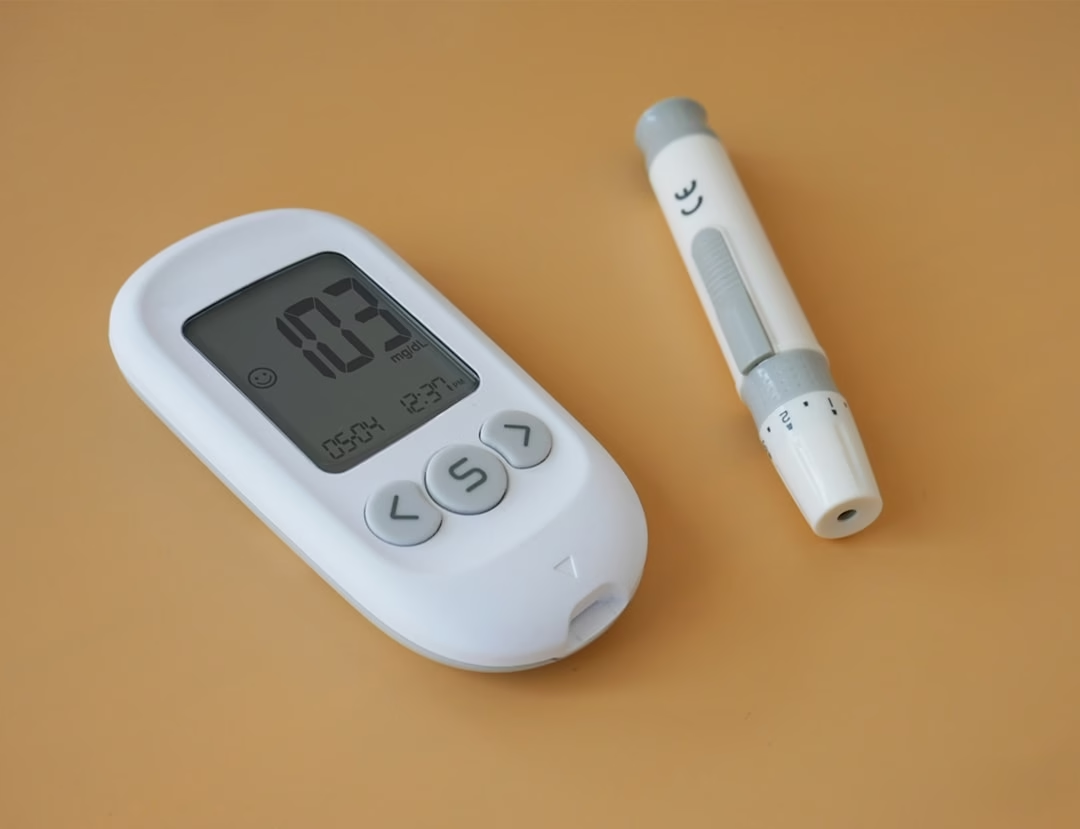
For respiratory patients already managing equipment like the ResMed AirMini compact CPAP, integrating CGM maintenance into existing routines proves most effective. Establishing a consistent schedule for sensor changes, device charging, and data review helps ensure continuous monitoring without adding significant burden. Many patients find that pairing CGM maintenance with their existing respiratory equipment care creates an efficient comprehensive health management routine.
Troubleshooting common issues forms another important aspect of maintenance. Signal loss between sensor and receiver occasionally occurs, typically resolved by bringing devices closer together. Inaccurate readings might require sensor recalibration or replacement. Understanding these basic troubleshooting steps helps patients maintain continuous monitoring with minimal interruption to their diabetes and respiratory management.
Continuous Glucose Monitors Respiratory Patients Advantages
Continuous glucose monitors respiratory patients deliver distinct advantages that extend beyond basic glucose tracking. The most significant benefit involves detecting glucose patterns that correlate with respiratory function changes. For example, many patients discover that elevated glucose levels worsen breathing difficulties, particularly during sleep. This insight enables proactive management adjustments before significant respiratory distress occurs.
Another advantage involves medication management optimization. Many respiratory medications, particularly corticosteroids, significantly impact blood glucose levels. Continuous monitoring reveals these effects clearly, allowing healthcare providers to adjust either respiratory or diabetes medications accordingly. This precise medication management often leads to better control of both conditions with reduced side effects.
The comprehensive data from continuous glucose monitors respiratory patients supports personalized treatment planning in ways intermittent testing cannot match. Trends and patterns emerge that inform timing of medications, meals, and activities for optimal glucose control. This personalized approach frequently results in improved HbA1c levels while reducing hypoglycemic events. Better glucose control typically correlates with improved respiratory outcomes as well.
For patients using advanced respiratory support like the ResMed Astral 150 ventilator, stable glucose levels can enhance treatment effectiveness. Research suggests that well-controlled diabetes responds better to respiratory interventions across the spectrum of care. The comprehensive data from CGMs provides the insights needed to maintain this stability despite the challenges posed by serious respiratory conditions.
Common Questions
Patients considering continuous glucose monitoring often have practical questions about implementation. One frequent concern involves sensor discomfort, particularly during sleep or while using respiratory masks. Fortunately, modern sensors are remarkably small and discreet, causing minimal discomfort for most users. Proper placement avoids conflict with ResMed AirFit F30i mask straps or other respiratory equipment.
Another common question addresses accuracy compared to traditional fingerstick testing. While measurement methods differ, modern CGMs provide highly accurate trend data that many clinicians consider more valuable than isolated readings. However, most systems recommend confirmatory fingerstick tests when glucose levels are changing rapidly or when symptoms don’t match CGM readings.
Insurance coverage questions frequently arise, particularly in the UAE’s evolving healthcare landscape. Coverage policies vary between insurers and specific health plans. Many providers now recognize the clinical and economic value of continuous glucose monitoring, especially for patients with complex conditions like diabetes with respiratory complications. Verification of benefits before acquiring a system prevents unexpected expenses.
Technical questions about connectivity and data management are also common. Most modern systems sync automatically with dedicated apps on smartphones, with data accessible to healthcare providers through secure portals. This seamless data flow supports coordinated care between different specialists managing a patient’s diabetes, respiratory health, and other conditions.
Expert Recommendations
Medical experts emphasize several key considerations for respiratory patients implementing continuous glucose monitoring. First, they recommend selecting systems with proven accuracy and reliability, particularly for patients whose respiratory conditions make them vulnerable to glucose extremes. Additionally, they suggest systems with customizable alerts to warn of dangerous trends before they become emergencies.
Integration capability represents another important expert recommendation. Systems that can share data with other health management platforms provide more comprehensive insights. For example, correlating glucose patterns with oxygen saturation data or ResMed AirSense 11 CPAP machine usage information can reveal important relationships between different aspects of health.
According to Dubai Health Authority healthcare guidelines, patient education forms a crucial component of successful medical technology implementation. Experts strongly recommend thorough training on both device operation and data interpretation. Understanding what the numbers mean and how to respond appropriately maximizes the clinical benefit of continuous monitoring systems.
Finally, experts emphasize the importance of professional support throughout the monitoring journey. Regular review of CGM data with healthcare providers ensures optimal benefit from the technology. This collaborative approach allows for timely adjustments to diabetes management strategies based on the detailed information continuous monitoring provides, potentially improving both metabolic and respiratory outcomes.
Frequently Asked Questions
How accurate are continuous glucose monitors for respiratory patients?
Modern CGM systems typically achieve MARD values below 10%, making them highly reliable for clinical decision-making. However, accuracy can be affected by sensor placement, medication interactions, and individual physiological factors.
Can CGM sensors interfere with respiratory equipment?
Properly placed sensors rarely interfere with respiratory devices. Strategic placement avoids conflict with CPAP masks, oxygen cannulas, or ventilator tubing. Most patients use both systems simultaneously without difficulty.
Does insurance cover continuous glucose monitors in the UAE?
Coverage varies by insurer and specific health plan. Many UAE insurers now provide coverage for CGMs, particularly for patients with complex conditions like diabetes with respiratory complications. Prior authorization is often required.
How often do continuous glucose monitors require sensor replacement?
Sensor replacement frequency depends on the specific system, typically ranging from 10 to 14 days. Transmitters generally last longer, from 3 months to a year before requiring replacement or recharging.
What are the benefits of continuous glucose monitors respiratory patients?
Key benefits include detecting glucose patterns affecting breathing, optimizing medication timing, reducing hypoglycemia risk, and providing comprehensive data for personalized treatment planning that addresses both metabolic and respiratory health.
Can CGM data integrate with other health monitoring systems?
Many modern systems offer integration capabilities with diabetes management platforms, electronic health records, and sometimes even data from respiratory devices, creating a comprehensive health picture for better clinical decision-making.
Conclusion
Continuous glucose monitors represent a significant advancement in managing the complex interplay between diabetes and respiratory conditions. The real-time data these systems provide enables more precise management of both metabolic and breathing challenges. For respiratory patients in the UAE, this technology offers unprecedented insights into how glucose levels impact their overall health and treatment effectiveness.
The integration of continuous glucose monitoring with respiratory care creates powerful synergy in managing these frequently coexisting conditions. As the UAE healthcare system continues to evolve, access to such advanced monitoring technologies is improving. Patients now have opportunities to participate more actively in their health management through the detailed information these systems provide.
Successful implementation requires careful selection of appropriate systems, proper setup and maintenance, and ongoing collaboration with healthcare providers. The team at Oxydubai stands ready to support respiratory patients in navigating these decisions. With extensive experience helping thousands of UAE residents manage complex health conditions, we provide guidance on integrating continuous glucose monitoring with respiratory therapy for optimal outcomes.
For personalized advice on how continuous glucose monitors might benefit your specific situation, we encourage you to contact our respiratory specialists. Our team can provide insights tailored to your unique health profile and help you navigate the available options within the UAE healthcare landscape. Comprehensive care that addresses both respiratory and metabolic health represents the future of chronic condition management.