

Compression Therapy Devices – Complete Guide
Introduction
Managing respiratory conditions in UAE? Compression therapy devices offer vital protection against deep vein thrombosis. These medical tools prevent life-threatening blood clots. They are especially crucial for patients with limited mobility. Furthermore, they support circulatory health during recovery.
Deep vein thrombosis affects thousands annually in the Middle East. However, proper prevention significantly reduces risks. Compression devices provide non-invasive protection. They are safe for home use under medical guidance. Additionally, they complement other respiratory treatments effectively.
The UAE healthcare system emphasizes preventive care. Consequently, compression therapy has become more accessible. Patients can now manage their condition comfortably at home. This approach aligns with international medical standards. It also reduces hospital readmission rates significantly.
At Oxydubai, we understand comprehensive patient care. While specializing in premium respiratory equipment and products, we recognize how circulatory health impacts breathing. Our team serves 10,000+ UAE patients with complete wellness solutions.
Compression therapy works through graduated pressure application. This mechanical action mimics natural muscle contractions. Therefore, it maintains healthy blood flow. It also prevents blood pooling in extremities. Modern devices make this process comfortable and convenient.
Need Respiratory Solutions?
Understanding Compression Therapy Devices
Compression therapy devices are medical instruments designed to prevent blood clots. They apply controlled pressure to limbs. This action promotes venous return to the heart. Moreover, it reduces edema and improves circulation. These devices are crucial for high-risk patients.
Two main types dominate the market. Sequential compression devices use inflatable sleeves. They apply pressure in wave-like patterns. Compression stockings provide constant graduated pressure. Both types serve specific medical purposes. Therefore, selection depends on individual patient needs.
These devices work by mimicking natural muscle pump action. When leg muscles contract during walking, they push blood upward. Inactive patients lose this natural mechanism. Compression devices artificially recreate this process. Consequently, they prevent venous stasis effectively.
The technology behind these devices has evolved significantly. Modern units feature smart pressure sensors. They also include programmable treatment protocols. Many connect to mobile apps for monitoring. This technological advancement improves patient outcomes. It also enhances treatment compliance.
Medical guidelines recommend specific usage parameters. Treatment duration typically ranges from 30 minutes to several hours. Frequency depends on individual risk factors. Most patients use devices daily. However, medical supervision remains essential for optimal results.
Proper use requires understanding device operation. Patients receive comprehensive training from healthcare providers. Additionally, they learn recognition of potential complications. This education ensures safe home application. It also maximizes therapeutic benefits.
Benefits of Circulatory Support Systems
Circulatory support systems offer multiple health advantages. Primarily, they significantly reduce DVT risk. Studies show up to 60% risk reduction with proper use. This protection is crucial during post-surgical recovery. It also benefits long-term immobile patients.
These systems improve overall circulatory function. They enhance oxygen delivery to tissues. Furthermore, they reduce swelling and discomfort. Many patients report improved mobility. This benefit accelerates rehabilitation progress considerably.
Psychological benefits are equally important. Patients experience reduced anxiety about clot formation. They gain confidence in their recovery process. This mental comfort supports overall healing. It also improves treatment adherence rates.
Economic advantages are significant too. Preventing DVT avoids expensive hospital treatments. It reduces medication costs and doctor visits. Therefore, these devices represent cost-effective preventive care. They align with UAE government healthcare regulations emphasizing prevention.
These systems complement other respiratory treatments perfectly. For instance, patients using the ResMed AirSense 11 CPAP machine often benefit from circulatory support. Similarly, oxygen therapy patients find enhanced comfort with proper circulation.
Compression Therapy Devices Features
Modern compression therapy devices include numerous advanced features. Programmable pressure settings allow customization. Different pressure ranges suit various medical conditions. Additionally, gradient pressure technology ensures optimal blood flow direction.
Portability is another key feature. Many current models are lightweight and compact. Some operate on battery power for mobility. This allows patients to maintain therapy during daily activities. Consequently, treatment compliance improves significantly.
Smart connectivity features are increasingly common. Bluetooth-enabled devices sync with smartphone apps. These applications track usage data and compliance. They also provide reminders and progress reports. This technology supports World Health Organization respiratory health guidelines for patient monitoring.
Safety features prevent improper use. Automatic shut-off mechanisms activate after prescribed time. Pressure sensors adjust intensity if needed. These protections ensure patient safety during unsupervised home use. They represent crucial technological advancements.
Comfort enhancements make extended use tolerable. Breathable sleeve materials reduce skin irritation. Quick-release mechanisms allow easy removal. Adjustable straps accommodate different limb sizes. These considerations improve patient experience dramatically.
Compatibility with other medical equipment is essential. For example, patients using the Inogen One G5 portable oxygen concentrator can simultaneously use compression devices. This integrated approach supports comprehensive patient care.
Medical Compression System Specifications
Medical compression systems have precise technical specifications. Pressure ranges typically span 30-50 mmHg for therapeutic devices. However, prophylactic models use lower pressure settings. These specifications follow international medical standards.
Treatment cycle timing varies between devices. Most sequential pumps complete cycles within 60-90 seconds. This timing mimics natural walking rhythm. Furthermore, it ensures continuous circulatory stimulation. These parameters are adjustable based on patient needs.
Sleeve design specifications ensure proper fit. Multiple size options accommodate different patient anatomies. Material composition prevents skin reactions. Durability standards guarantee long-term reliability. These factors are crucial for therapeutic effectiveness.
Power requirements differ between models. Stationary units typically use AC power. Portable versions employ rechargeable batteries. Battery life ranges from 4-8 hours typically. This flexibility supports various usage scenarios appropriately.
Noise levels are important consideration. Modern devices operate below 45 decibels typically. This quiet operation enables nighttime use. It also maintains normal household activities. These specifications meet UAE Ministry of Health medical standards for home medical equipment.
Control interface design affects usability. Clear displays show treatment progress. Simple buttons adjust settings. Audible alerts signal cycle completion. These user-friendly features support independent home use effectively.
Expert Medical Advice?
Setup and Maintenance Protocols
Proper setup ensures therapeutic effectiveness. First, patients must select correct sleeve size. Measurement follows specific anatomical landmarks. Next, proper sleeve placement is crucial. The device should sit snugly without restricting movement.
Initial device configuration requires professional guidance. Healthcare providers set appropriate pressure levels. They also program treatment duration and frequency. Subsequently, patients learn basic operation procedures. This training ensures safe independent use.
Routine maintenance preserves device functionality. Daily cleaning of sleeves prevents skin infections. Weekly inspection checks for wear and tear. Monthly performance verification ensures pressure accuracy. These practices extend equipment lifespan significantly.
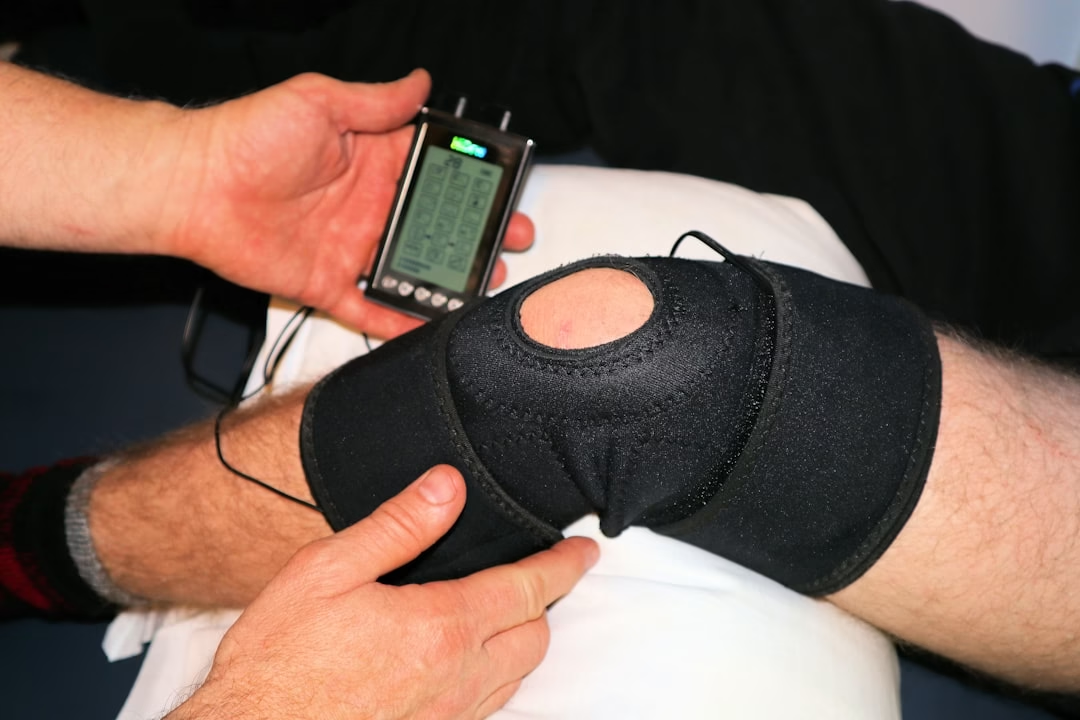
Troubleshooting common issues is straightforward. Most problems involve simple solutions. For example, repositioning sleeves often resolves pressure complaints. Resetting the device addresses most error messages. However, professional support remains available when needed.
Storage conditions affect device longevity. Equipment should stay in cool, dry environments. Direct sunlight exposure damages materials. Proper coil management prevents wire damage. These precautions maintain optimal performance.
Integration with other medical equipment requires consideration. For instance, patients using the ResMed Astral 150 ventilator need coordinated care schedules. Similarly, proper timing ensures comfort during combined therapies.
Compression Therapy Devices Advantages
Compression therapy devices offer numerous clinical advantages. They provide non-invasive DVT prevention. This approach avoids medication side effects. Additionally, it offers immediate therapeutic action. The benefits are both preventive and therapeutic.
Home-based treatment convenience is significant. Patients avoid frequent hospital visits. They maintain normal daily routines. This normalcy supports psychological well-being. Furthermore, it reduces healthcare system burdens.
Cost-effectiveness is another major advantage. These devices represent one-time investments. They prevent expensive hospital treatments for DVT. This economic benefit aligns with Dubai Health Authority healthcare guidelines for cost-effective care.
Versatility across patient populations is remarkable. These devices benefit surgical patients, pregnant women, and elderly individuals. They also support people with limited mobility from various causes. This wide applicability makes them valuable medical tools.
Complementary function with respiratory care is important. Improved circulation enhances oxygen utilization. This synergy benefits patients using devices like the ResMed AirFit F30i mask. Comprehensive care approaches yield best results.
Technological integration capabilities are expanding. Modern devices connect to healthcare provider systems. This enables remote monitoring and adjustment. Consequently, treatment quality improves continuously. Patient outcomes demonstrate this enhancement clearly.
Common Questions Answered
Patients often ask about usage duration. Typical sessions last 2-4 hours daily. However, specific prescriptions vary individually. Some situations require continuous use. Medical guidance determines optimal timing for each case.
Comfort concerns are frequent. Modern devices prioritize patient comfort. Materials are breathable and soft. Pressure application feels like massage rather than squeezing. Most patients adapt within few days comfortably.
Travel considerations are important. Many devices are portable and airline-approved. Battery operation enables use during flights. This is crucial for high-risk patients during long journeys. Advance planning ensures uninterrupted therapy.
Insurance coverage questions arise often. Many UAE insurance plans cover these devices with medical justification. Documentation from physicians supports claims. Our team assists with insurance processes regularly.
Compatibility with other conditions is common concern. Most patients can use compression therapy safely. However, certain conditions require special precautions. Medical evaluation determines suitability in each situation appropriately.
Maintenance questions are practical. Basic cleaning requires mild soap and water. Electrical components need careful handling. Professional servicing ensures long-term reliability. These practices maintain device effectiveness.
Expert Recommendations and Guidelines
Medical experts emphasize proper patient selection. Not everyone needs compression therapy. Risk assessment identifies appropriate candidates. High-risk surgical patients benefit most. Long-distance travelers with additional risk factors also qualify.
Device selection follows evidence-based guidelines. Clinical condition determines optimal pressure levels. Patient lifestyle influences portability needs. These considerations ensure personalized effective therapy. Professional assessment guarantees appropriate matching.
Usage protocols combine medical evidence with individual needs. Standard guidelines provide foundation. However, adjustments accommodate specific situations. This personalized approach maximizes benefits while minimizing discomfort.
Monitoring compliance is crucial for effectiveness. Modern tracking technologies assist this process. Healthcare providers review usage data regularly. This oversight maintains therapeutic integrity. It also enables timely intervention when needed.
Integration with overall care plans is essential. Compression therapy complements other treatments. For example, patients using the ResMed AirMini compact CPAP benefit from coordinated scheduling. Comprehensive care approaches yield best outcomes.
Follow-up schedules ensure ongoing appropriateness. Medical reevaluation occurs at regular intervals. Device function verification maintains therapeutic quality. These practices align with Health Authority Abu Dhabi regulations for medical equipment use.
Frequently Asked Questions
Who needs compression therapy devices?
Patients undergoing major surgery, especially orthopedic procedures, benefit greatly. Additionally, individuals with limited mobility from various causes need these devices. Long-distance travelers with additional risk factors also qualify.
How long should I use compression therapy daily?
Typical usage ranges from 2-4 hours daily. However, your physician will prescribe specific duration based on your condition. Some situations require longer continuous use for optimal protection.
Can I use compression devices with other medical equipment?
Yes, these devices complement other treatments effectively. For example, patients using oxygen concentrators or CPAP machines can safely use compression therapy. Proper scheduling ensures comfortable combined usage.
What maintenance do compression therapy devices require?
Basic cleaning of sleeves with mild detergent is essential. Electrical components need careful dusting. Periodic professional calibration ensures pressure accuracy. These practices maintain device effectiveness and longevity.
Are compression therapy devices covered by insurance?
Most UAE insurance plans cover these devices with proper medical justification. Documentation from your physician supports insurance claims. Our team can assist with insurance processes if needed.
How do I choose between different compression therapy devices?
Medical assessment determines optimal device type and pressure levels. Lifestyle factors influence portability needs. Professional guidance ensures appropriate selection for your specific situation and requirements.
Conclusion
Compression therapy devices represent advanced DVT prevention technology. They offer safe, effective protection against dangerous blood clots. Moreover, they support overall circulatory health significantly. Modern devices combine medical efficacy with user comfort.
Proper selection requires professional assessment. Medical evaluation identifies appropriate candidates. Device specification matching ensures optimal therapeutic effect. Furthermore, correct usage protocols maximize benefits while minimizing risks.
These devices integrate well with comprehensive care plans. They complement respiratory treatments and other therapies. This holistic approach supports complete patient recovery. It also enhances quality of life during convalescence.
Technological advancements continue improving these systems. Smart features enable better monitoring and compliance. Portable designs support active lifestyles. These innovations make preventive care more accessible and effective.
At Oxydubai, we believe in complete patient support. While specializing in respiratory care, we recognize the importance of circulatory health. Our team can guide you to appropriate solutions for your specific needs. We invite you to contact our respiratory specialists for personalized advice.
Proper DVT prevention requires comprehensive approach. Compression therapy devices form crucial component of this strategy. When combined with medical supervision and healthy practices, they provide reliable protection against serious circulatory complications.