

Restrictive Lung Disease – Complete Guide
Introduction
Managing respiratory conditions in UAE? Understanding restrictive lung disease is your first step toward better breathing. This condition limits lung expansion, making each breath a challenge. Consequently, your body struggles to get enough oxygen. This comprehensive guide explores the types, diagnostics, and management strategies for this condition. Moreover, we will discuss how modern technology can significantly improve daily life. In the UAE’s unique climate, proper respiratory care is especially crucial. Therefore, knowledge and the right equipment are your best allies.
At Oxydubai, trusted by 10,000+ UAE patients with premium respiratory equipment and products. Our team understands the local challenges you face. We provide solutions tailored to your specific needs and environment.
Need Respiratory Solutions?
Understanding Restrictive Lung Disease
Restrictive lung disease refers to a category of respiratory disorders. These conditions reduce lung volume and capacity. Essentially, your lungs cannot fully expand. This limitation leads to shortness of breath and fatigue. There are two main types: intrinsic and extrinsic. Intrinsic diseases affect the lung tissue itself. Conversely, extrinsic conditions impact the chest wall or respiratory muscles.
Common intrinsic diseases include pulmonary fibrosis and sarcoidosis. These cause scarring and stiffness in lung tissue. As a result, oxygen transfer becomes inefficient. Extrinsic conditions involve neuromuscular diseases or obesity. They restrict the chest’s ability to expand properly. For severe cases, devices like the ResMed Astral 150 ventilator provide critical support. The World Health Organization respiratory health guidelines emphasize early diagnosis and intervention.
Benefits of Pulmonary Diagnostics
Accurate diagnosis is crucial for effective management. Pulmonary function tests (PFTs) are the gold standard. These tests measure lung volume, capacity, and diffusion rates. Spirometry is often the first test performed. It assesses how much air you can exhale and how quickly. Furthermore, lung volume measurements provide more detailed information.
Another important test is the diffusing capacity test. This evaluates how well oxygen passes into your bloodstream. Doctors use these results to determine disease severity. Subsequently, they can create a personalized treatment plan. The UAE Ministry of Health medical standards ensure these tests are performed accurately nationwide. Regular monitoring helps track disease progression and treatment effectiveness.
Restrictive Lung Disease Features
Recognizing the features of restrictive lung disease helps in early detection. The primary symptom is progressive shortness of breath. Initially, this may occur only during physical activity. Over time, it can happen even at rest. A persistent dry cough is another common feature. Patients often experience unusual fatigue and weakness.
In some cases, you might notice unexplained weight loss. Chest discomfort or a feeling of tightness can also occur. These symptoms result from the increased work of breathing. Your body uses more energy to breathe, leaving less for other activities. Therefore, daily tasks become increasingly difficult. The Dubai Health Authority healthcare guidelines recommend consulting a specialist if you experience these signs.
Oxygen Therapy Specifications
Oxygen therapy is a cornerstone of treatment for many patients. It compensates for the lungs’ reduced oxygen transfer ability. The criteria for starting therapy are specific. Generally, doctors prescribe it when blood oxygen levels drop below 88% at rest or during activity. Various delivery systems are available. Stationary concentrators are ideal for home use.
Portable units like the Inogen One G5 portable oxygen concentrator offer freedom and mobility. These devices extract oxygen from the air and deliver it directly to you. They are lightweight and designed for active lifestyles. Using oxygen as prescribed can improve sleep, mood, and overall stamina. It also reduces the strain on your heart.
Expert Medical Advice?
Setup & Maintenance
Proper setup and maintenance of respiratory equipment are essential. First, ensure your device is on a stable, flat surface. Keep it away from heat sources and direct sunlight. Check all connections for secure fits. For oxygen concentrators, regularly clean or replace the filters. This prevents dust buildup and maintains efficiency.
Masks and tubing require special attention. Clean them daily with mild soap and water. For example, the ResMed AirFit F30i mask should be disassembled and cleaned carefully. Replace consumable parts as recommended by the manufacturer. The Health Authority Abu Dhabi regulations provide standards for medical device maintenance. Regular servicing by qualified technicians ensures safety and performance.
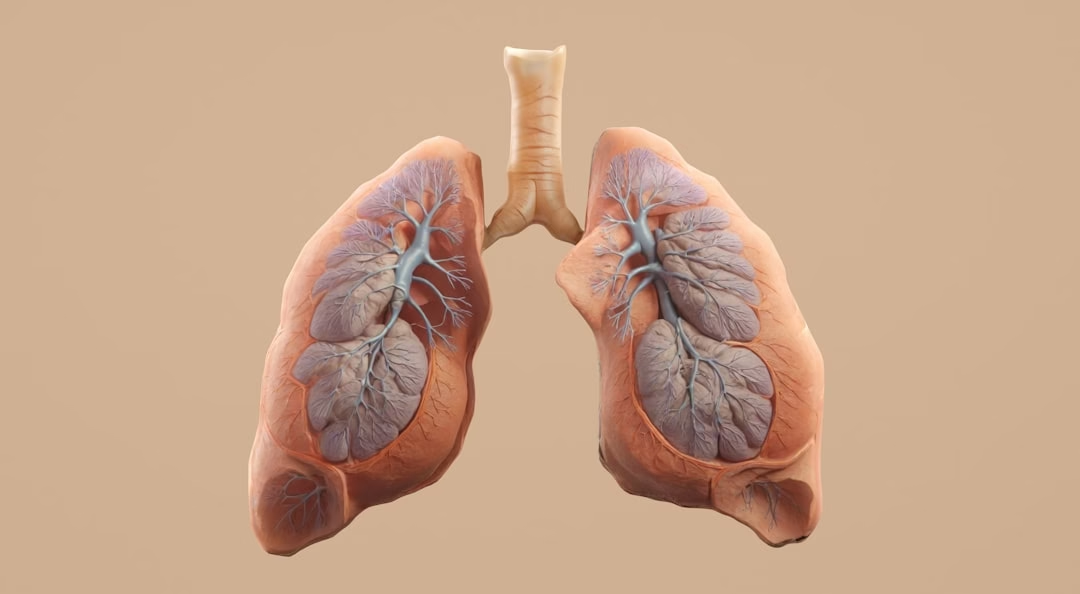
Restrictive Lung Disease Advantages
Understanding and managing restrictive lung disease offers several advantages. First, proper treatment can significantly slow disease progression. It helps preserve your existing lung function. Secondly, symptom management improves daily comfort and reduces breathlessness. This allows for greater independence and participation in life.
Modern therapies and devices enhance mobility and social engagement. For instance, using a ResMed AirMini compact CPAP can improve sleep quality dramatically. Better sleep leads to improved daytime energy and cognitive function. Ultimately, a comprehensive management plan empowers you to live a fuller, more active life despite the diagnosis.
Common Questions
Many patients have questions about living with this condition. A frequent concern is about exercise safety. The answer is that modified exercise is not only safe but beneficial. It strengthens respiratory muscles and improves efficiency. Another common question involves travel. With portable devices like the Inogen G5, travel is entirely possible.
Patients often ask about life expectancy. While the disease is serious, outcomes vary widely. Effective management can stabilize the condition for years. It is also important to get vaccinations like flu and pneumonia shots. The UAE government healthcare regulations support comprehensive patient care. Always discuss your specific concerns with your healthcare provider for personalized advice.
Expert Recommendations
Medical experts emphasize a multi-faceted approach to management. Regular follow-ups with a pulmonologist are crucial. These visits help adjust treatments as needed. Pulmonary rehabilitation is highly recommended. This program includes exercise training, education, and support. It teaches energy conservation techniques.
Nutrition also plays a vital role. A balanced diet helps maintain respiratory muscle strength. Avoiding respiratory irritants like smoke and pollution is essential. For sleep-related breathing issues, a ResMed AirSense 11 CPAP machine can be life-changing. Staying informed and proactive is the best strategy for managing your health long-term.
Frequently Asked Questions
What is the main cause of restrictive lung disease? Causes vary. They include long-term exposure to toxins, autoimmune diseases, radiation therapy, and some medications. Sometimes, the cause is unknown (idiopathic).
Can restrictive lung disease be cured? Currently, there is no cure for most forms. However, treatments can effectively manage symptoms, slow progression, and greatly improve quality of life.
How does exercise help with restrictive lung disease? It improves cardiovascular fitness and muscle strength. This makes your body use oxygen more efficiently, reducing breathlessness during daily activities.
What is the life expectancy with this condition? It depends on the specific type, severity, and individual response to treatment. Many people live for many years with a good quality of life with proper management.
Is oxygen therapy addictive? No, oxygen therapy is not addictive. It is a prescribed medical treatment that supplements your body’s low oxygen levels to prevent complications.
How is restrictive lung disease diagnosed? Diagnosis involves pulmonary function tests, imaging like CT scans, and sometimes a lung biopsy. A pulmonologist will interpret these results. For reliable respiratory equipment and products, consult trusted suppliers.
Conclusion
Living with a restrictive lung disease presents daily challenges. However, understanding your condition empowers you to take control. From accurate diagnosis through PFTs to tailored oxygen therapy and exercise, a comprehensive plan is key. Modern medical devices provide unprecedented freedom and symptom relief. They enable you to remain active and engaged in your life.
Remember, you are not alone in this journey. A team of healthcare professionals and reliable equipment providers can offer immense support. By adhering to your treatment plan and making necessary lifestyle adjustments, you can manage your symptoms effectively. Ultimately, the goal is to maximize your quality of life and maintain your independence for as long as possible. For personalized support, feel free to contact our respiratory specialists.

